Long, monotonous questionnaires put participants off, which leads to lower data quality and decreasing trust in survey methods. But a new approach can remedy this: surveytainment.
Whether after making a purchase in an online store, using a service or calling customer service, customers are often asked for "brief" feedback. Employees are also expected to regularly assess their satisfaction, be it through annual employee surveys or, in some companies, quarterly pulse surveys. No wonder participation rates are falling.
Surveys are still a popular tool for finding out what moves consumers and employees. But they come with a problem: survey fatigue. Participants become increasingly unmotivated, are less attentive when answering questions or only complete them half-heartedly. Often the same answer option is chosen again and again (e.g. "1" on a so-called Likert scale from 1 to 6) - so-called straightlining. The consequences? The consequence: distorted data, unusable results, false conclusions.
A new approach promises a remedy. Surveytainment - a combination of "survey" and "entertainment" - is intended to make surveys not only more entertaining, but also more effective. Alena Kostyk, Associate Professor of Marketing at EDHEC Business School, talks to Kathrin Neumüller about the concept, how it works and the risks involved.
Dr. Kostyk, you conduct research into user experience and feedback systems. In your work, you talk about surveytainment as a means of combating so-called survey fatigue. What exactly does that mean?
Surveytainment combines entertainment and gamification in surveys. Instead of rigid questionnaires, there are short, entertaining breaks that increase the participants' attention. This method was developed in Germany and is mainly used in marketing and market research. Companies benefit from more precise and reliable results for well-founded strategic decisions.
The principles of Surveytainment are:
- Entertainment elements such as games or visual breaks prevent monotony.
- The experience of the survey participants is improved, as is the data quality.
Many market researchers complain about "data garbage" that ultimately has to be cleaned up at great expense. Can surveytainment really solve this problem - or does it just shift the problem?
When we are in a good mood, we are more attentive and give more thoughtful answers - surveytainment makes use of this principle. Entertainment elements such as small games, quizzes or visual breaks ensure that participants feel more comfortable and are more motivated to complete the employee survey or customer survey with concentration. Satisfied participants are less likely to drop out of surveys and provide more precise answers. Surveytainment also increases the willingness to participate and the response rate. The principle is: fun motivates participation.
Definition of surveytainment
Surveytainment is the methodical integration of playful and entertaining elements (gamification) in surveys in order to increase the attention, motivation and response quality of participants. The term is a combination of "survey" (survey) and "entertainment" (entertainment). The aim is to reduce survey fatigue and improve data quality through targeted relaxation such as short games, visual breaks or interactive formats.
What are the benefits of surveytainment for market research?
It reduces "data garbage". Market researchers often have to clean the data set at the end to remove unusable answers - a time-consuming and costly process. With surveytainment, participants remain motivated, so the quality of the data is higher from the outset and there are fewer incorrect responses.
You mention motivation as a key factor. Can you give specific examples of what surveytainment looks like in practice? How can surveytainment be implemented in practice?
Engagement through games and visual breaks is key. The implementation can be flexibly adapted to the target group and the context. Interactive games such as tic-tac-toe or the "cup game" often increase the engagement and motivation of participants to complete the survey.
Three practical examples for the implementation of surveytainment:
- Tic-Tac-Toe: Integrate short games such as Tic-Tac-Toe into your customer or employee surveys. Participants can take a short break in between and have fun playing. The result: they are more engaged and answer the survey right to the end. After the short break, participants feel refreshed and concentrate more on their answers.
- The "cup game" with brand loyalty: Combine the classic cup game with brand logos. The participants guess which logo is under which cup. The result: This playful approach increases participants' attention and at the same time builds a stronger emotional bond with the brand.
- Visual break leaders in the B2B sector: In the B2B sector, games like tic-tac-toe are perhaps not the best choice. But even subtle entertainment can help to break up the monotony. Try using natural landscapes as visual break pictures, for example. These subtle elements also increase concentration and keep participants focused during the survey.
And that works?
Yes, integrating game elements into the question structure of a survey - gamification - can significantly increase participant engagement.
Where is the boundary between meaningful entertainment and gimmickry?
There are conflicting research findings on whether gamification also improves data quality. While some studies show positive effects, others suggest that gamification could be distracting in certain survey contexts. The key is to use it correctly: games should not disrupt the flow of the survey, but act as short, refreshing breaks.
Taking all this together, what does the future of survey research look like for you? Will the classic questionnaire model disappear completely?
No, but market researchers should rethink the survey process and see it not just as a means of collecting data, but as an interactive experience that motivates participants and positively influences their mood. The goal is to engage participants so that they voluntarily and attentively participate in the surveys. This can be achieved through the use of visual interruptions, gamification elements or simply a user-friendly design.
Dr. Kostyk, thank you very much for the interview.
You're very welcome. It was a pleasure to talk about a topic that is central to the future of feedback culture.
Article published on November 12, 2025
About Dr. Kathrin Neumüller

Dr. oec. HSG Kathrin Neumüller is Co-Managing Director at ValueQuest and an expert in employee inspiration and empowerment. She also teaches strategic management in the MBA program at the ZHAW. She holds a doctorate from the University of St. Gallen (HSG) and studied at the University of Cambridge. Learn more about Kathrin
Inspired? Then share this post via your favorite platform.
Other articles that might interest you ...
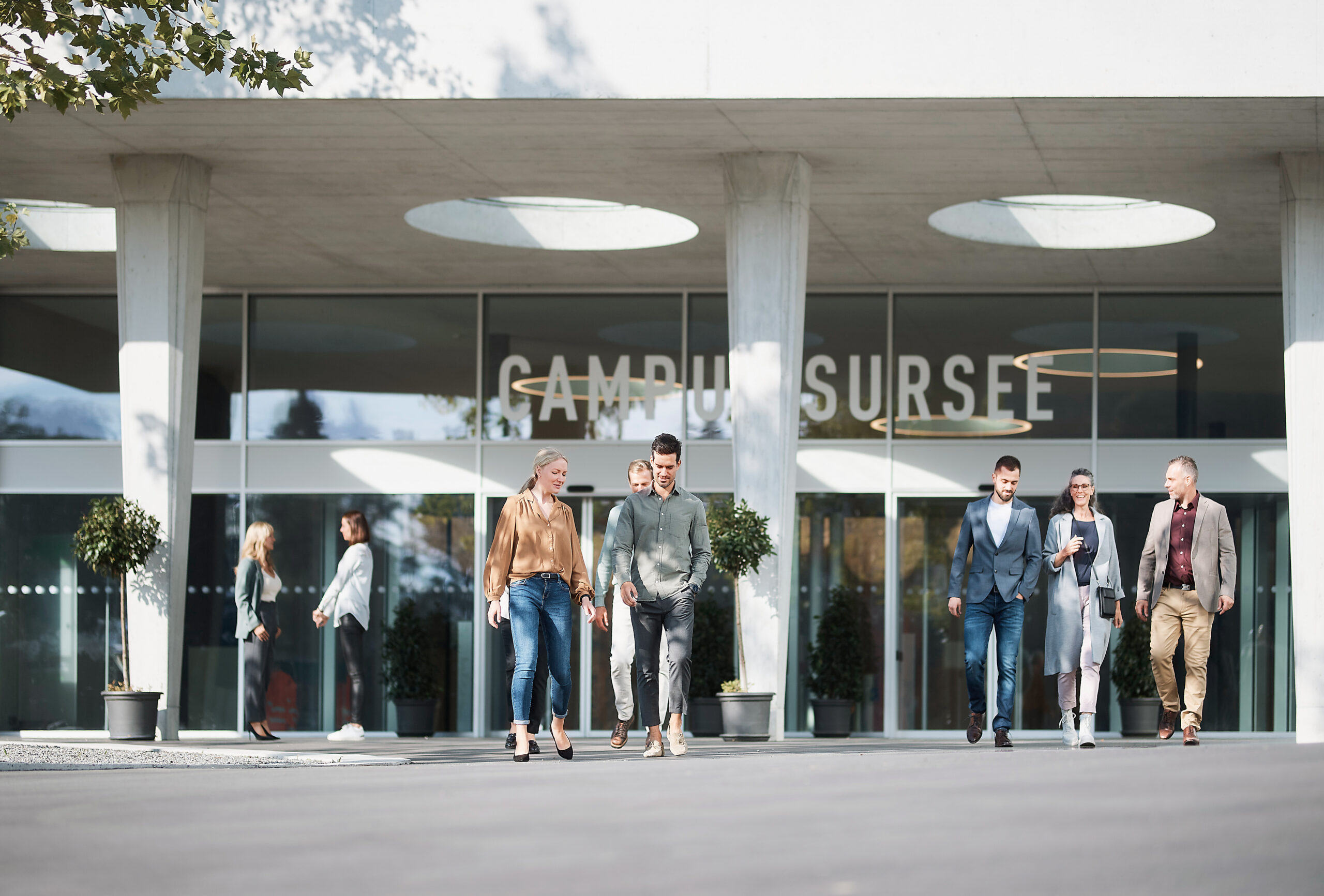
Employee Survey: The CAMPUS SURSEE Foundation Is Among Switzerland's Best Employers
August 5, 2026
Reading time: 2 min
ValueQuest honors particularly attractive employers in Switzerland with the Excellence@Work Award. We recently had the pleasure of presenting the award to the CAMPUS SURSEE Foundation.
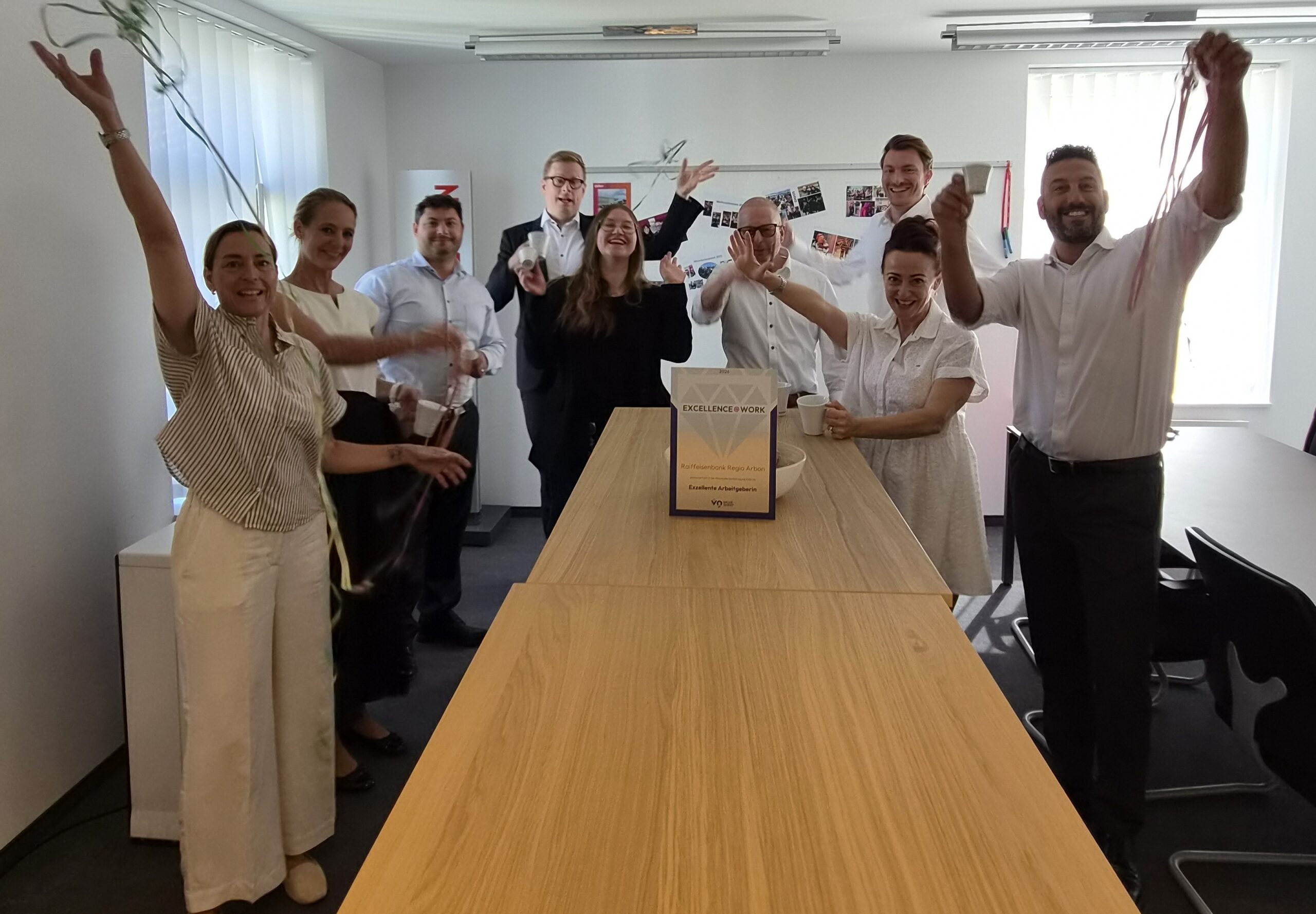
Raiffeisenbank Regio Arbon, a Top Employer: Personal Responsibility as Part of a Strong Corporate Culture
July 7, 2026
Reading time: 2 min
ValueQuest honors particularly attractive employers in Switzerland with the Excellence@Work Award. We recently had the pleasure of presenting the award to Raiffeisenbank Regio Arbon.

Customer Satisfaction as a Strategic Lever: An Interview with Ricardo Garcia, CEO of PROMEA
June 20, 2026
Reading time: 10 min
PROMEA has been achieving top scores in customer satisfaction for years. In an interview with CEO Ricardo Garcia, it becomes clear that this is no coincidence—rather, it stems from a clear focus on quality, response times, and the consistent implementation of insights from customer surveys. This interview highlights how PROMEA uses the NPS as a management tool and what challenges lie ahead for customer satisfaction.

Shame in the Workplace: Why We Don't Say What Actually Needs to Be Said
June 4, 2026
Reading time: 4 min
Giving and receiving feedback is one of the most fundamental aspects of modern professional life. But why do we so often find it difficult to offer honest feedback?

Customer Survey in Switzerland: Questionnaire, Sample Questions, and Sample Questionnaire
May 27, 2026
Reading time: 6 min
Customer Survey in Switzerland: Use our sample questions and questionnaire template to create an effective questionnaire for your customer survey or poll.
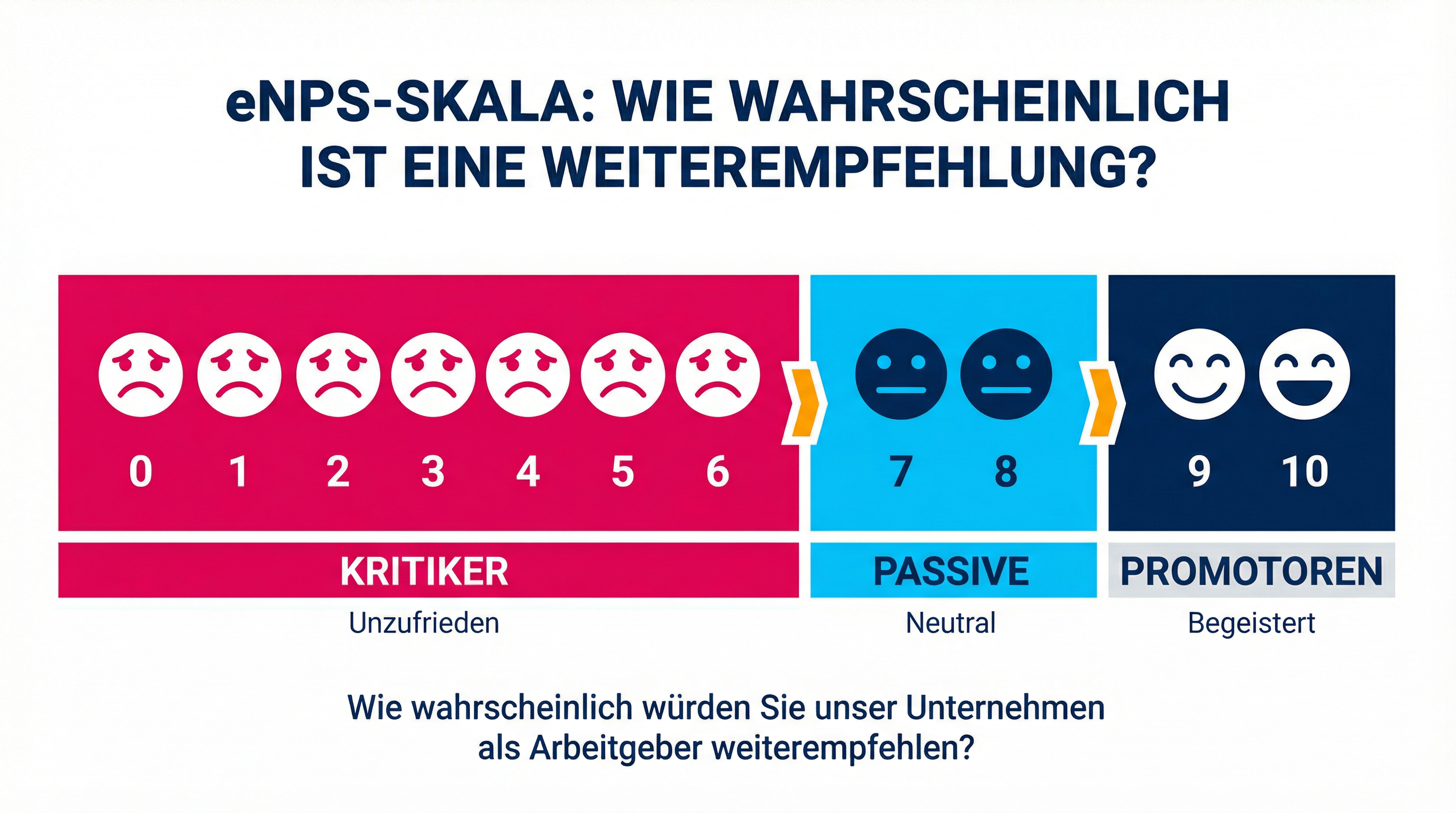
Employee Net Promoter Score (eNPS): Guide and Checklist
May 10, 2026
Reading time: 17 min
The Employee Net Promoter Score (eNPS) is a simple and effective tool for measuring employee loyalty and retention. We explain what the eNPS is, how it works, and how you can interpret the results.

Insurance Brokers in Switzerland: What Our Industry Study Really Reveals About the Insurance Market
May 4, 2026
Reading time: 7 min
The insurance market in Switzerland is undergoing a transformation. Insurers are becoming more selective, processes are becoming more standardized, and pressure on insurance brokers is mounting. At the same time, data-driven market studies such as the Broker Panel Switzerland are becoming increasingly important.

Anonymity and Data Protection in Employee Surveys in Switzerland: The Most Important Questions Explained
April 30, 2026
Reading time: 7 min
Anyone planning an employee survey within a company quickly realizes that few topics raise as many questions as data protection and anonymity. Employees want to be sure that their responses cannot be traced back to them. At the same time, companies must comply with legal requirements while still obtaining meaningful results.
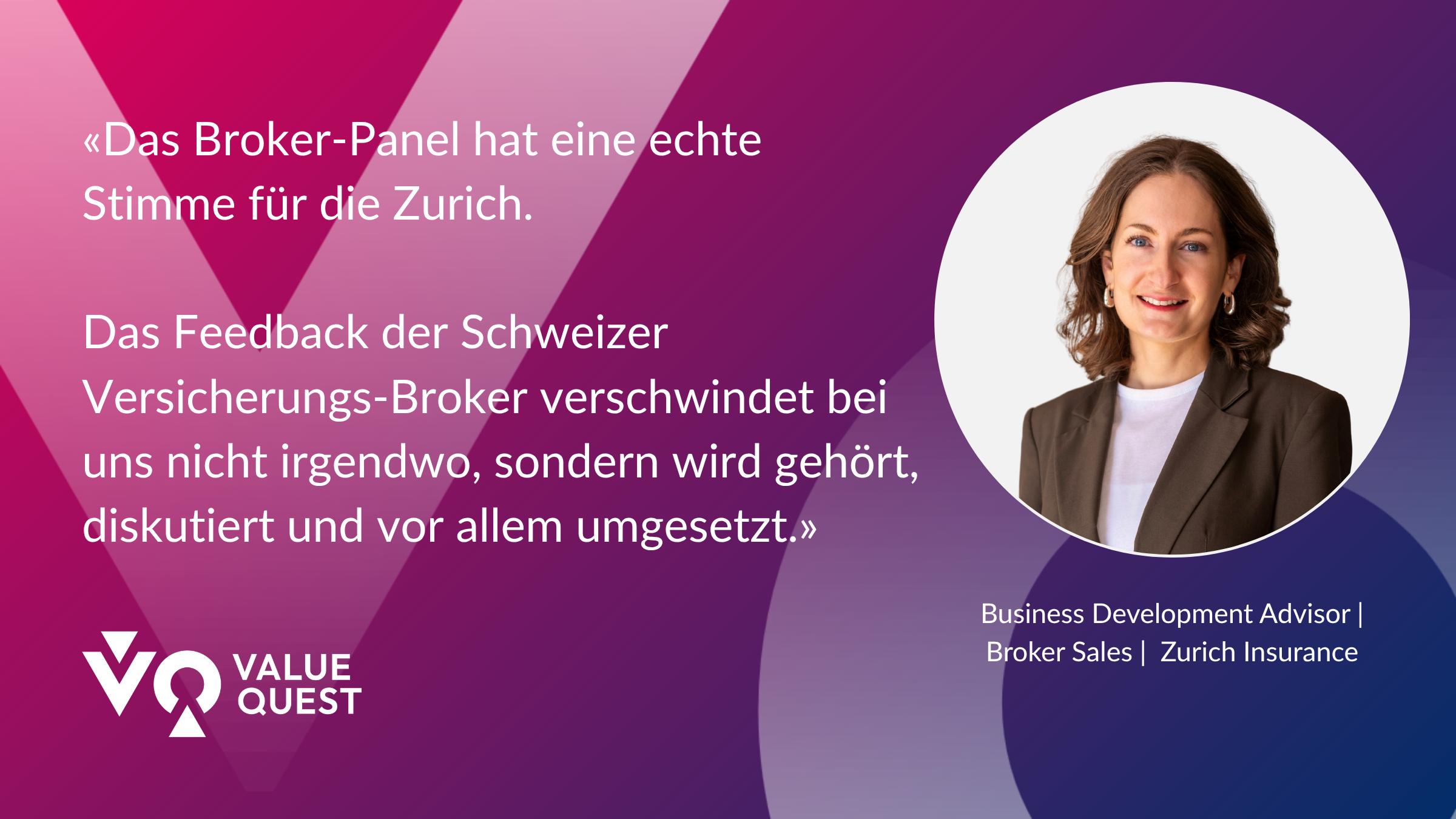
Structured feedback that matters: Zurich speaks at the Swiss Broker Panel
April 27, 2026
Reading time: 6 min
How important is structured feedback for insurers—and how is it used effectively? In this interview, Tiziana Manfioletti, Business Development Advisor for Brokers at Zurich, explains how Zurich’s Broker Panel Switzerland is utilized. She highlights the improvements resulting from the feedback and how brokers can help shape the partnership through their participation.