In our two blog posts about fear-free organizations and how to establish psychological safety in teams, we have shown that psychological safety is the foundation for successful teams. Zahno and Perlrine divide the concept of psychological safety into the following three aspects:
- Show vulnerability
- Give confidence
- Taking responsibility
Allowing vulnerability has a positive impact on team success. However, it takes a lot of courage - especially in everyday working life - to show vulnerability. This means opening up to others and admitting your "weaknesses". There is a risk of being hurt by the other person. Vulnerability is also closely linked to shame ("I'm not good/not smart/not popular enough").
The different strategies
Brené Brown, the well-known American author and professor at the Graduate College of Social Work in Houston, Texas, has been researching the topics of vulnerability, shame, authenticity and inner strength for many years. Her studies show the different strategies people use to deal with shame. Some prefer to keep unpleasant, shameful experiences to themselves, while others open up to people they trust and/or are able to practice self-compassion.
The positive influence of vulnerability on team success
The ability to allow vulnerability is a prerequisite for developing creative and explorative solutions in a team. Managers should be sensitized to lowering this "inhibition threshold" among employees. Their own approach to vulnerability can also act as a role model.
Leadership feedback stimulates self-reflection
Professionally conducted 360-degree leadership feedback is a good way for companies to support managers in this development. It helps managers to recognize their own strengths and development potential and to actively work on them.
ValueQuest's professional dialog tools - employee surveys, management feedback and pulse surveys - promote an open and dialog-oriented feedback culture within the company and thus increase employee commitment and satisfaction.
Article published on March 31, 2022
About Heidi Blanken

Heidi Blanken is an expert and advisor at ValueQuest with a focus on evaluation and methodological consulting. She studied psychology with a focus on methodology as well as economics and labor law at the University of Zurich and graduated with a lic. phil. I degree.
Inspired? Then share this post via your favorite platform.
Other articles that might interest you ...

AI in the Swiss Insurance Market: What Insurers Can Learn from the Results
October 1, 2026
Reading time: 4 min
Artificial intelligence is not universally accepted in the Swiss insurance market. As a study by ValueQuest shows, customers’ openness to AI depends heavily on how it is used.

AI in the Swiss Insurance Market: Between Acceptance and Skepticism
September 28, 2026
Reading time: 5 min
For many Swiss people, artificial intelligence has become an integral part of everyday life. However, the situation is different when it comes to insurance companies.

Top Employer: Raiffeisenbank Glarnerland Impresses with Strong Leadership
September 21, 2026
Reading time: 2 min
ValueQuest recently had the honor of presenting the “Excellence@Work Award” to Raiffeisenbank Glarnerland. We extend our heartfelt congratulations.
Top Swiss Employers: GastroSocial
September 9, 2026
Reading time: 3 min
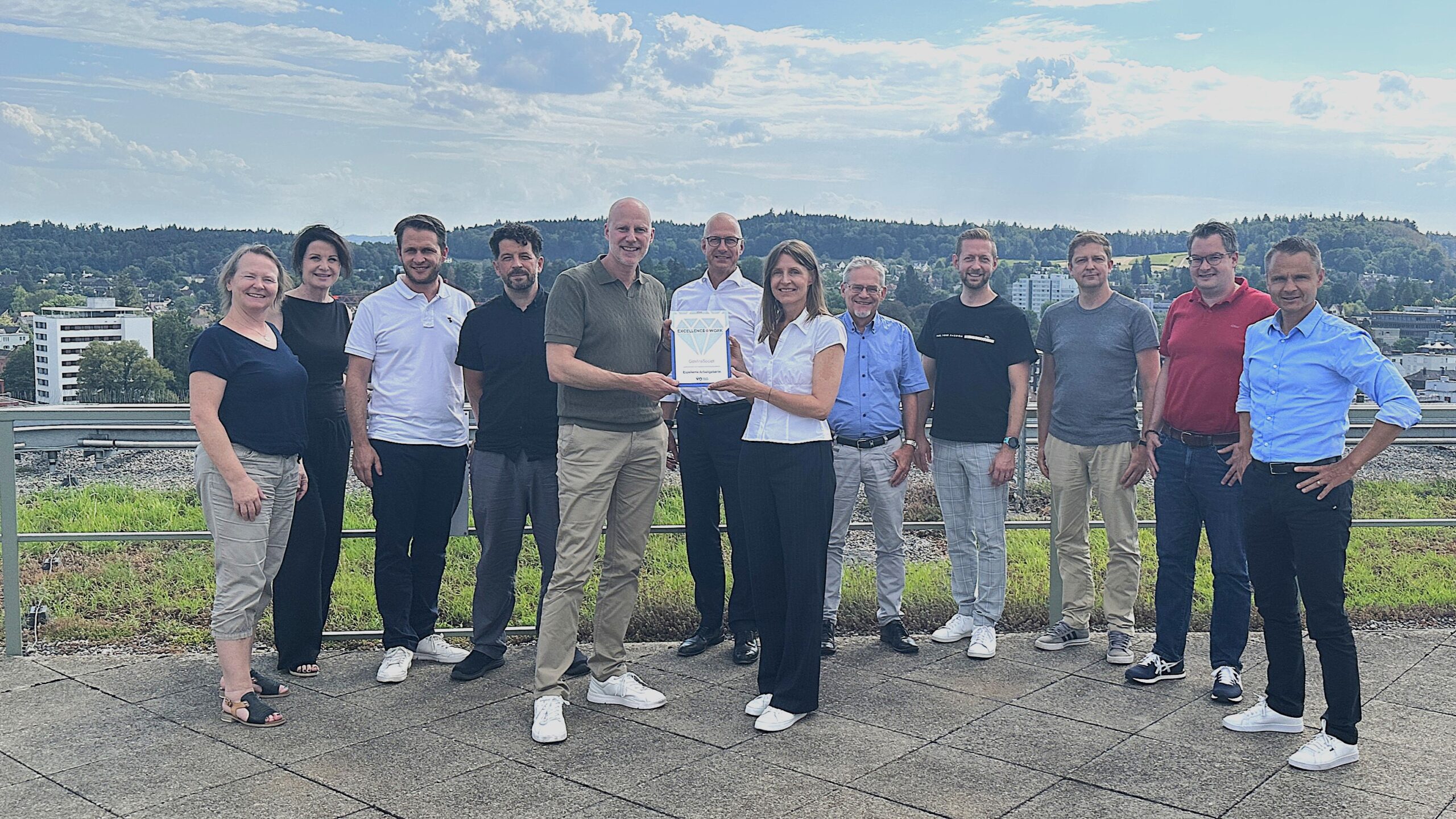
GastroSocial has received the 2026 Excellence@Work Award from ValueQuest. With a response rate of 96 percent, a motivation score of 84, and 87 percent of employees serving as brand ambassadors, the company demonstrates a strong employer culture.

Employee Survey: Raiffeisenbank Möhlin Achieves Excellent Results
August 31, 2026
Reading time: 3 min
Raiffeisenbank Möhlin is one of Switzerland's top employers and is receiving our Excellence@Work Award in recognition of this achievement. Congratulations!

Employee Surveys in Switzerland: Find Providers & Tools
August 30, 2026
Reading time: 6 min
Employee Survey in Switzerland: How Do You Find the Right Employee Survey Provider? What Really Matters When It Comes to Anonymity, Tools, Questionnaires, and Analysis.

360-Degree Feedback Questionnaire: Sample, Template, and Sample Questions
August 21, 2026
Reading time: 7 min
Table of Contents A 360-degree feedback process is only as good as its questionnaire. The questionnaire is at the heart of the entire process. It determines whether...

Employee Survey: The CAMPUS SURSEE Foundation Is Among Switzerland's Best Employers
August 5, 2026
Reading time: 2 min
ValueQuest honors particularly attractive employers in Switzerland with the Excellence@Work Award. We recently had the pleasure of presenting the award to the CAMPUS SURSEE Foundation.
Raiffeisenbank Regio Arbon, a Top Employer: Personal Responsibility as Part of a Strong Corporate Culture
July 7, 2026
Reading time: 2 min
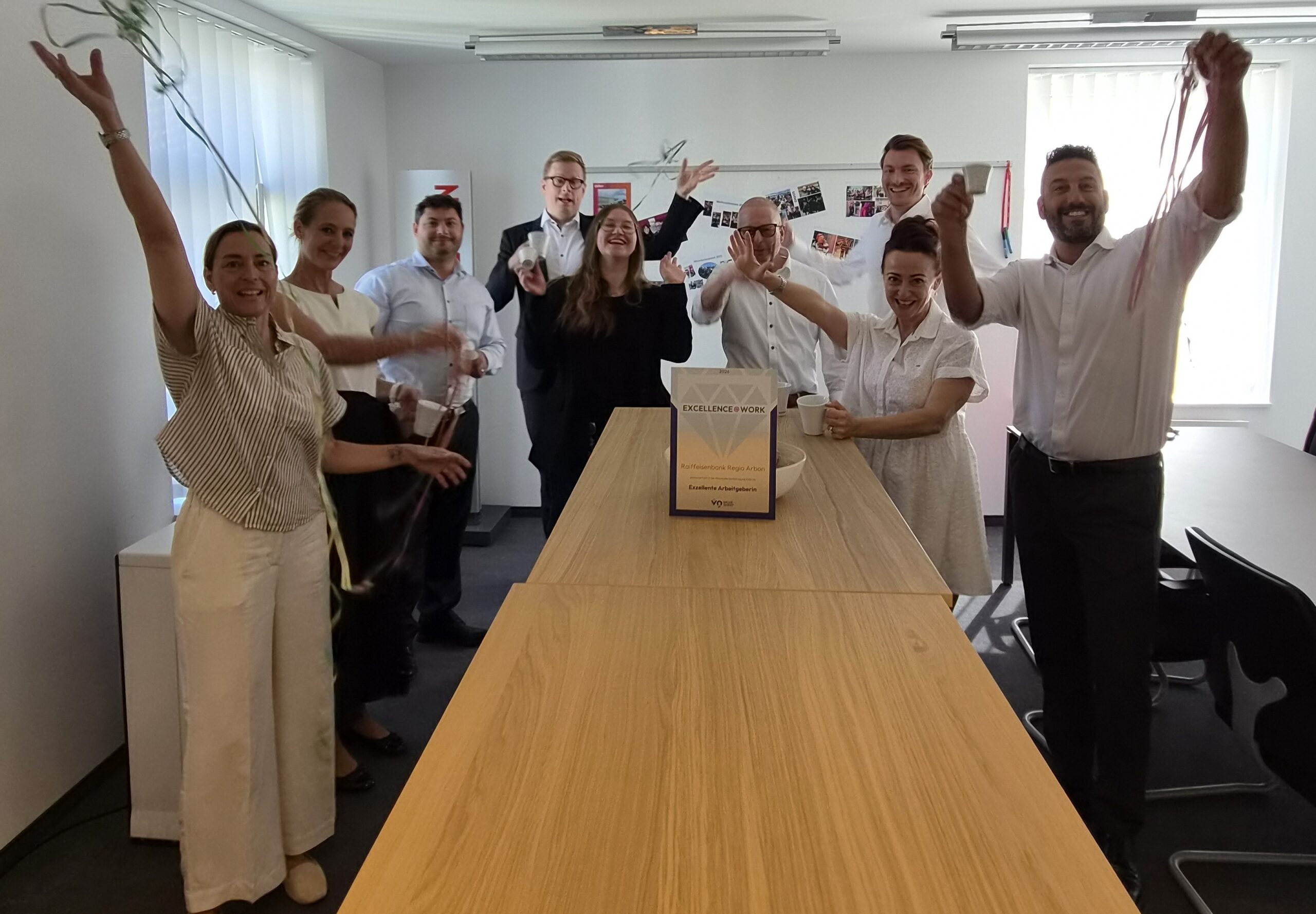
ValueQuest honors particularly attractive employers in Switzerland with the Excellence@Work Award. We recently had the pleasure of presenting the award to Raiffeisenbank Regio Arbon.