The role of leadership
Leadership plays a particularly important role here. Amy Edmondson - who wrote an entire book (The Anxiety-Free Organization, 2020) on psychological safety - has shown that a positive relationship between managers and employees has a decisive influence on the development of psychological safety. Based on her work, we have put together a few suggestions for managers:
- Acting as a role model
Managers are role models. In a "safe" organization, they distinguish themselves by, among other things, taking a step back, admitting their own mistakes and ignorance and addressing problems openly. Read more about fear-free organizations here. - Show appreciation
Employees feel valued when their performance is recognized and they feel that they are useful to the company and/or the team. A (regularly conducted) employee survey is a good tool for showing appreciation towards employees. - Defining work as a learning experience
In a psychologically safe environment, work implicitly becomes a learning experience. However, managers can also address this explicitly by communicating (and exemplifying) to their employees that you can learn from every member of a team/organization. - Establishing a constructive error culture
In her work on error research, Amy Edmondson has shown that teams are more successful when they are aware of mistakes and address them openly. A constructive error culture means that people are allowed to make mistakes without being "punished" for them. This allows employees to take responsibility for their "mistakes". This can lead to important learning - for themselves and the whole team. - Encourage curiosity
Managers should encourage themselves and their employees to ask questions (including critical ones). Questions always require a reaction and encourage creative thinking - as long as it is not done in a "teacher-like" or top-down manner. - Introduce needs-based structures and processes
Create suitable forums for input and develop appropriate guidelines for discussions. It is important to include the individual needs of your employees with regard to communication style in the planning. - Promoting further training
In addition to personal development, professional development is also important. People want to continue their education - especially in their areas of interest. Managers should therefore proactively create learning opportunities for their employees.
The next point can contribute a great deal to the success of a team, but there must already be a great deal of trust and openness in the team.
- Create a culture of risk-taking
It can sometimes make sense to share incomplete work so that it can be further developed together with other team colleagues. However, presenting unfinished projects also makes you vulnerable. Such a culture therefore requires a great deal of openness and trust from each individual towards the team and their superiors.
Good managers should have a realistic understanding of their own competencies. Professionally conducted 360-degree feedback helps managers to reflect on their leadership qualities and consciously manage their employees.
Article published on February 8, 2022
About Heidi Blanken

Heidi Blanken is an expert and advisor at ValueQuest with a focus on evaluation and methodological consulting. She studied psychology with a focus on methodology as well as economics and labor law at the University of Zurich and graduated with a lic. phil. I degree.
Inspired? Then share this post via your favorite platform.
Other articles that might interest you ...

AI in the Swiss Insurance Market: What Insurers Can Learn from the Results
October 1, 2026
Reading time: 4 min
Artificial intelligence is not universally accepted in the Swiss insurance market. As a study by ValueQuest shows, customers’ openness to AI depends heavily on how it is used.

AI in the Swiss Insurance Market: Between Acceptance and Skepticism
September 28, 2026
Reading time: 5 min
For many Swiss people, artificial intelligence has become an integral part of everyday life. However, the situation is different when it comes to insurance companies.
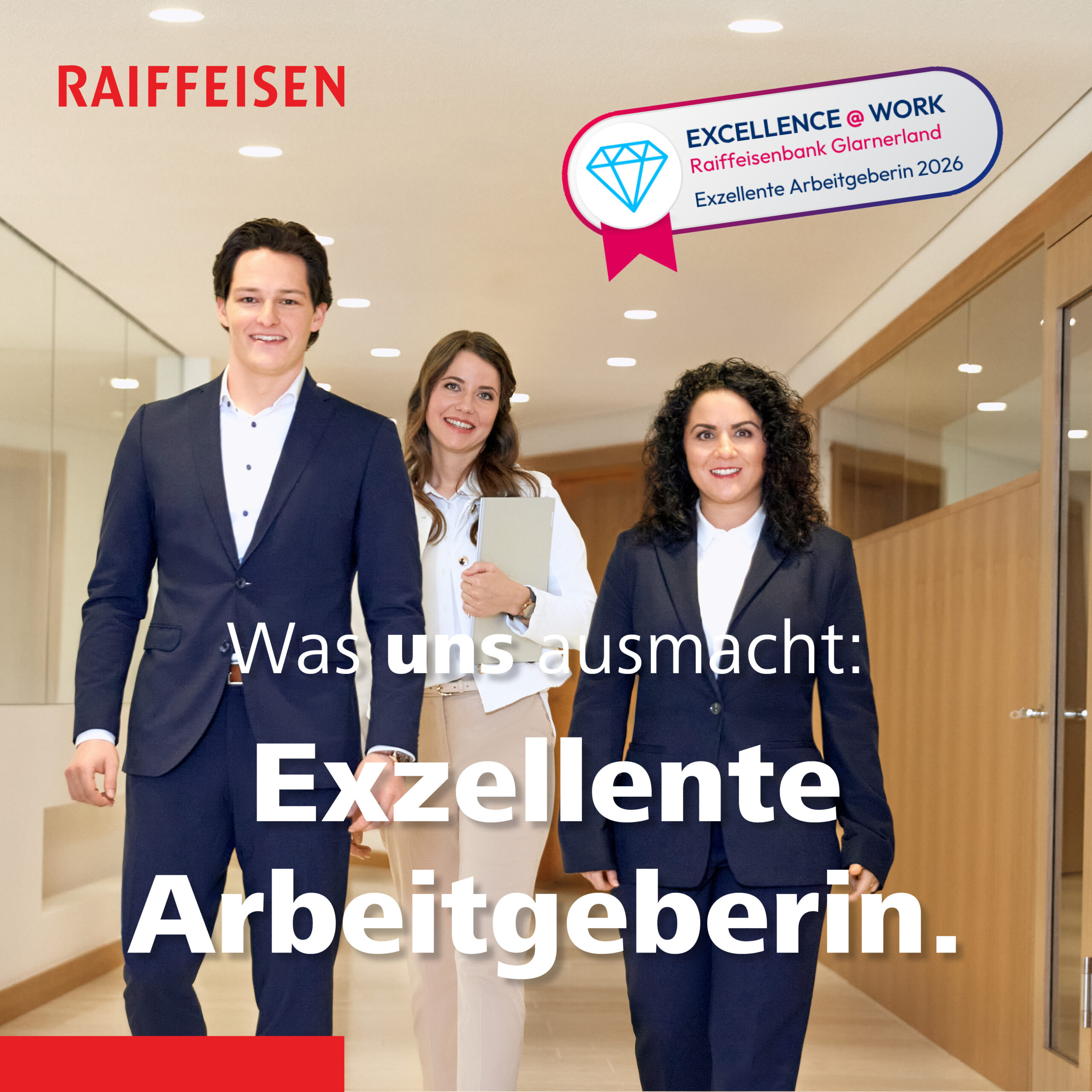
Top Employer: Raiffeisenbank Glarnerland Impresses with Strong Leadership
September 21, 2026
Reading time: 2 min
ValueQuest recently had the honor of presenting the “Excellence@Work Award” to Raiffeisenbank Glarnerland. We extend our heartfelt congratulations.
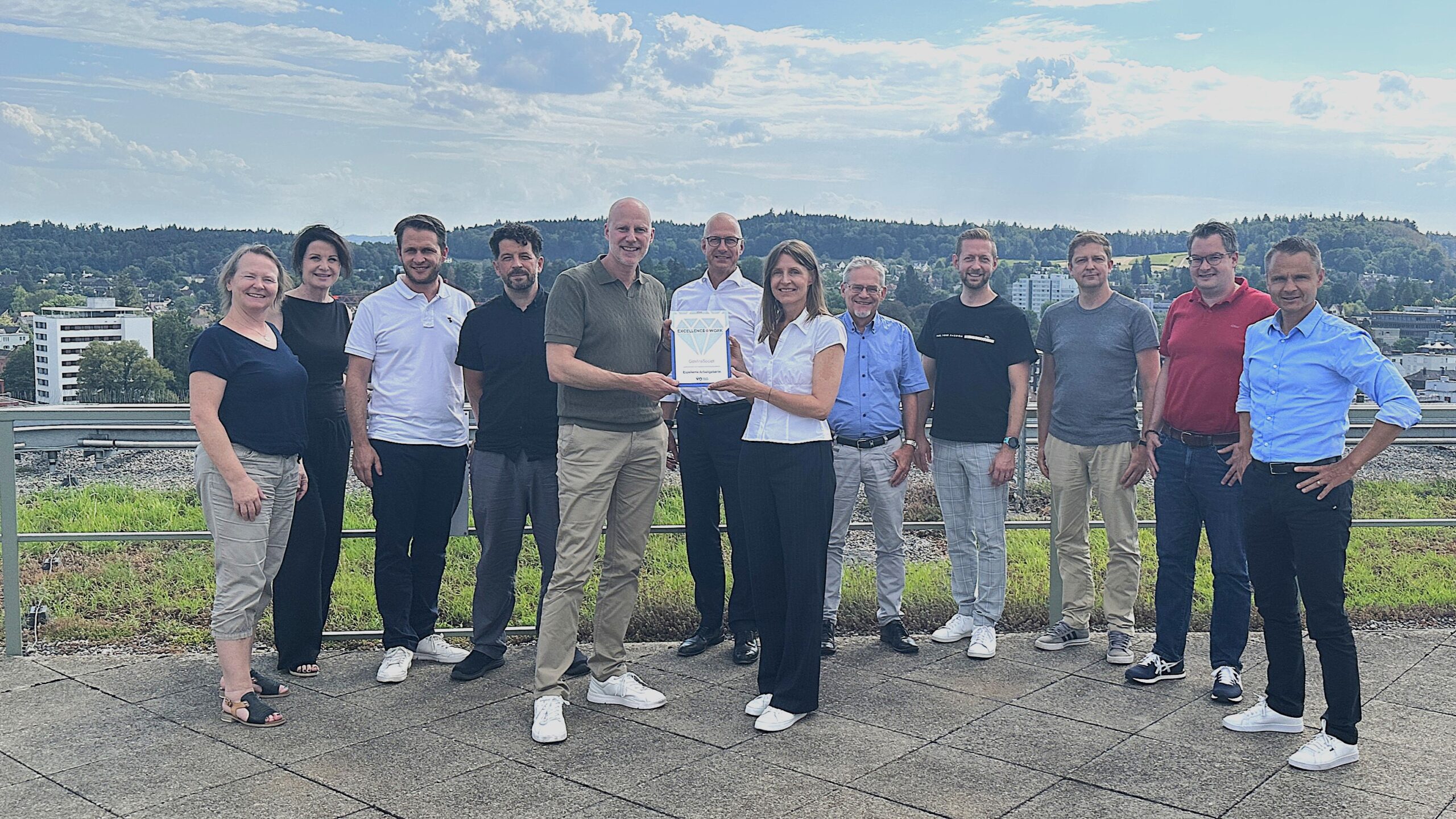
Top Swiss Employers: GastroSocial
September 9, 2026
Reading time: 3 min
GastroSocial has received the 2026 Excellence@Work Award from ValueQuest. With a response rate of 96 percent, a motivation score of 84, and 87 percent of employees serving as brand ambassadors, the company demonstrates a strong employer culture.

Employee Survey: Raiffeisenbank Möhlin Achieves Excellent Results
August 31, 2026
Reading time: 3 min
Raiffeisenbank Möhlin is one of Switzerland's top employers and is receiving our Excellence@Work Award in recognition of this achievement. Congratulations!

Employee Surveys in Switzerland: Find Providers & Tools
August 30, 2026
Reading time: 6 min
Employee Survey in Switzerland: How Do You Find the Right Employee Survey Provider? What Really Matters When It Comes to Anonymity, Tools, Questionnaires, and Analysis.

360-Degree Feedback Questionnaire: Sample, Template, and Sample Questions
August 21, 2026
Reading time: 7 min
Table of Contents A 360-degree feedback process is only as good as its questionnaire. The questionnaire is at the heart of the entire process. It determines whether...
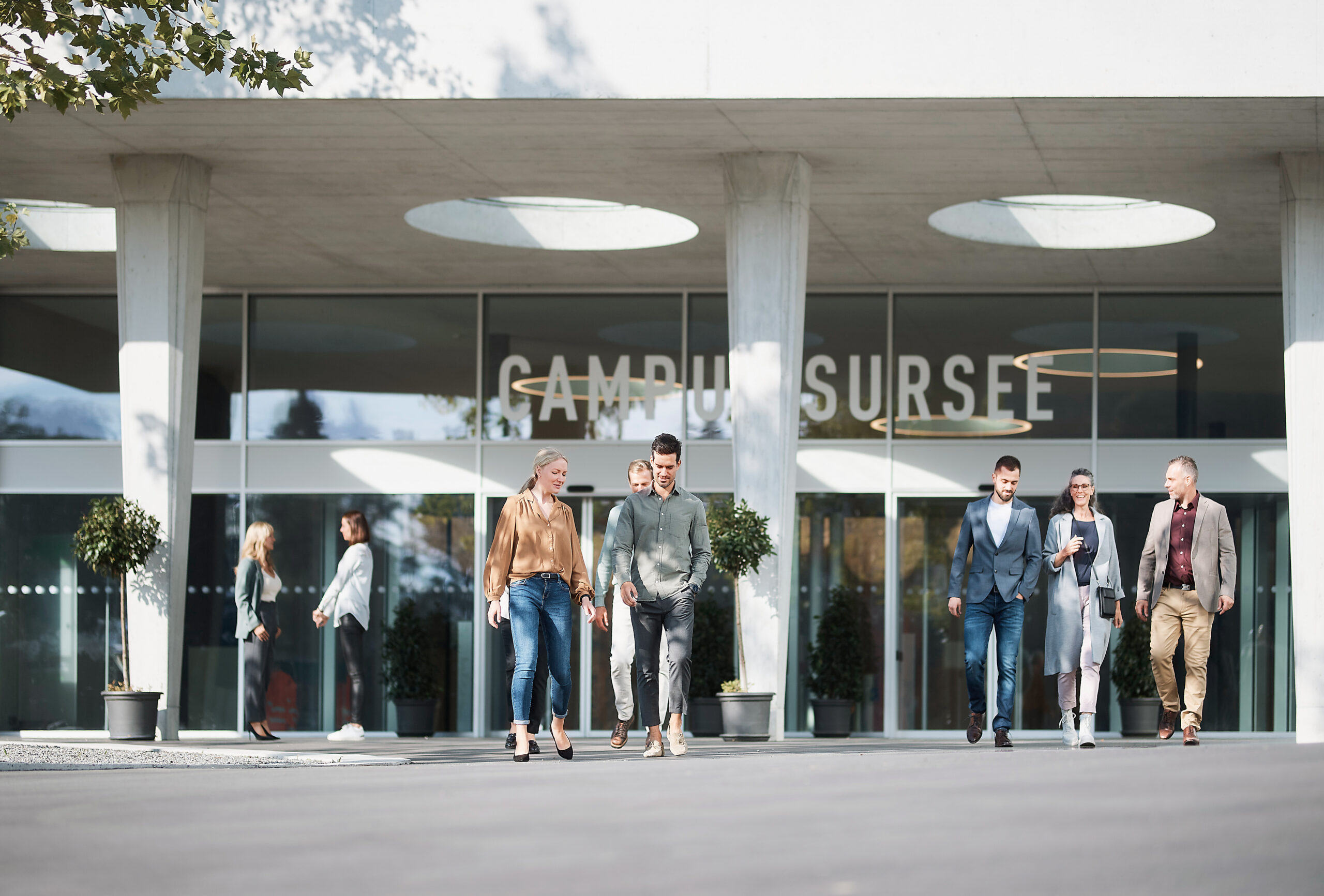
Employee Survey: The CAMPUS SURSEE Foundation Is Among Switzerland's Best Employers
August 5, 2026
Reading time: 2 min
ValueQuest honors particularly attractive employers in Switzerland with the Excellence@Work Award. We recently had the pleasure of presenting the award to the CAMPUS SURSEE Foundation.
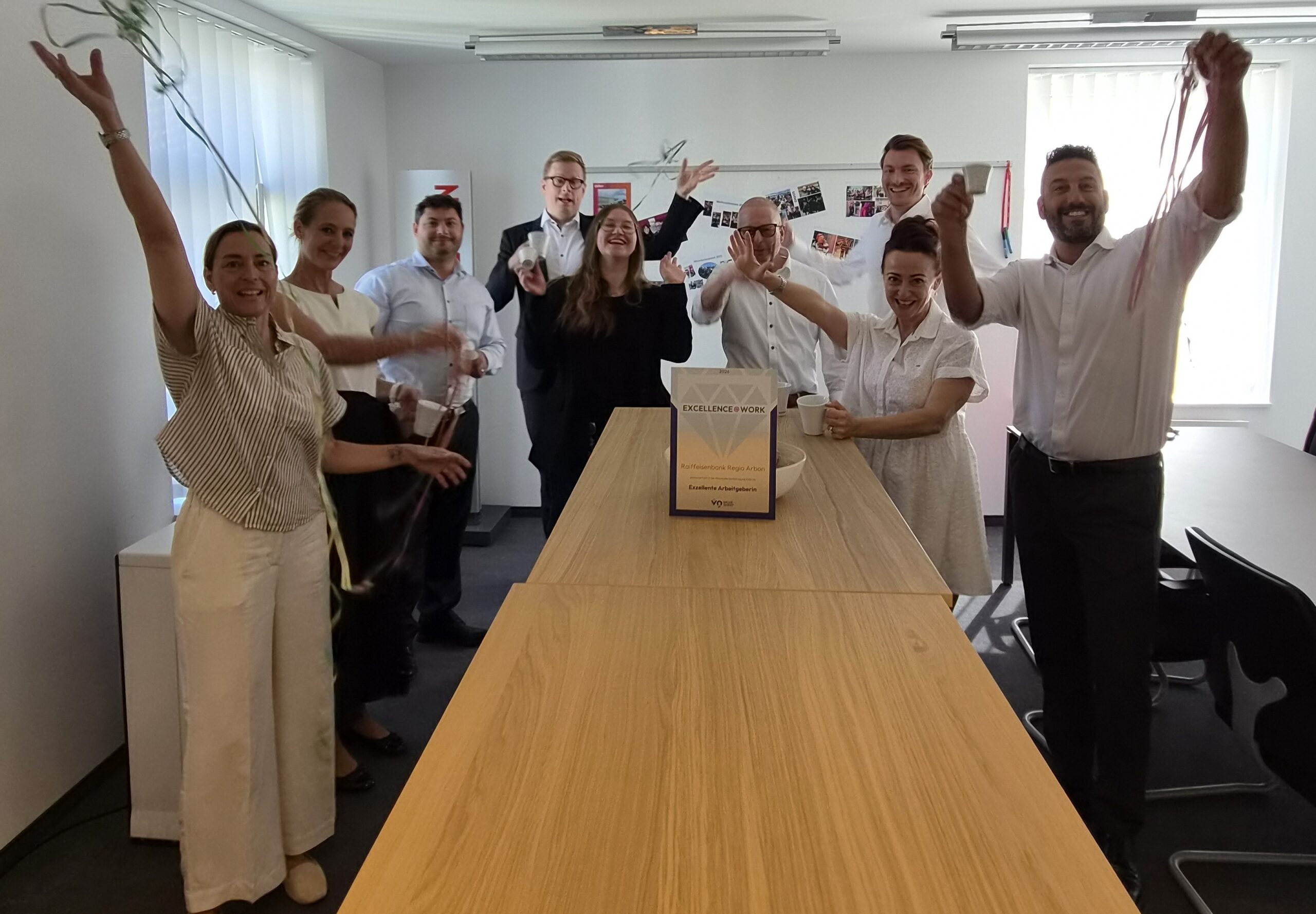
Raiffeisenbank Regio Arbon, a Top Employer: Personal Responsibility as Part of a Strong Corporate Culture
July 7, 2026
Reading time: 2 min
ValueQuest honors particularly attractive employers in Switzerland with the Excellence@Work Award. We recently had the pleasure of presenting the award to Raiffeisenbank Regio Arbon.