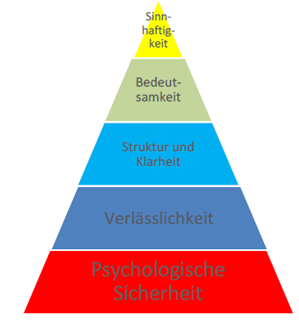
Psychological safety" was identified as the most important parameter for successful teamwork. It is considered the foundation for other important factors that influence team success. Psychological safety offers employees a safe framework in which to talk openly about mistakes within the team/organization and to learn from them for the future.
Definition of psychological safety
Psychological safety describes the atmosphere and feeling that prevails in a group and can be very helpful, especially in complex challenges. Amy Edmondson, who wrote an entire book on psychological safety in 2020, defines it "as a shared belief that one is in an environment that is conducive to taking interpersonal risks, such as asking for help, admitting a mistake, or criticizing a project. In psychologically safe environments, people are convinced that others will not react negatively to them if they make a mistake or ask for help. Instead, honesty is allowed and expected."
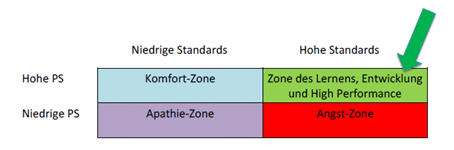
However, psychological safety is not a feel-good concept where people within the team pat each other on the back and are simply nice to each other. Nor does it mean that performance standards are lowered. The following illustration shows that "psychological safety" (PS) in conjunction with high standards is ideal for learning, developing and continuously improving one's own performance as well as team performance.
Findings from the Google project "Aristotle"
In 2012, Google launched a project codenamed "Aristotle". Hundreds of Google teams were examined for patterns that show why some teams fail while others achieve top performance. The following pyramid illustrates the findings and shows impressively that "psychological safety" dominates the other factors for successful teamwork.
Fig.: Google project "Aristotle"
 Fig.: Google project "Aristotle"
However, it is very complex to achieve a state of "psychological safety". In addition to personal disposition, the organizational expert William Kahn (1990) has identified four preconditions(antecedents) of psychological safety:
- Interpersonal relationships
- Group dynamics
- Organizational standards
- Guidance
The role of leadership
In a "safe" organization, managers are characterized, among other things, by taking a step back, admitting their own mistakes and ignorance and addressing problems openly. At the same time, they encourage employees to do the same. Do your managers have the right set of methods to create "psychological safety" in the team? Leadership feedback from ValueQuest supports managers in their personal development and significantly improves the quality of leadership.
Establish framework conditions for anxiety-free working
Successful organizations consistently use both 360-degree management feedback and employee surveys as a dialogue tool, which has a positive impact on employee engagement and company success. Find out more at www.valuequest.ch. We would also be happy to advise you personally on 044 786 32 52.
Do you like our blog posts? Then follow us on our Linkedin company page!
Article published on January 25, 2022
About Heidi Blanken

Heidi Blanken is an expert and advisor at ValueQuest with a focus on evaluation and methodological consulting. She studied psychology with a focus on methodology as well as economics and labor law at the University of Zurich and graduated with a lic. phil. I degree.
Inspired? Then share this post via your favorite platform.
Other articles that might interest you ...

AI in the Swiss Insurance Market: What Insurers Can Learn from the Results
October 1, 2026
Reading time: 4 min
Artificial intelligence is not universally accepted in the Swiss insurance market. As a study by ValueQuest shows, customers’ openness to AI depends heavily on how it is used.

AI in the Swiss Insurance Market: Between Acceptance and Skepticism
September 28, 2026
Reading time: 5 min
For many Swiss people, artificial intelligence has become an integral part of everyday life. However, the situation is different when it comes to insurance companies.
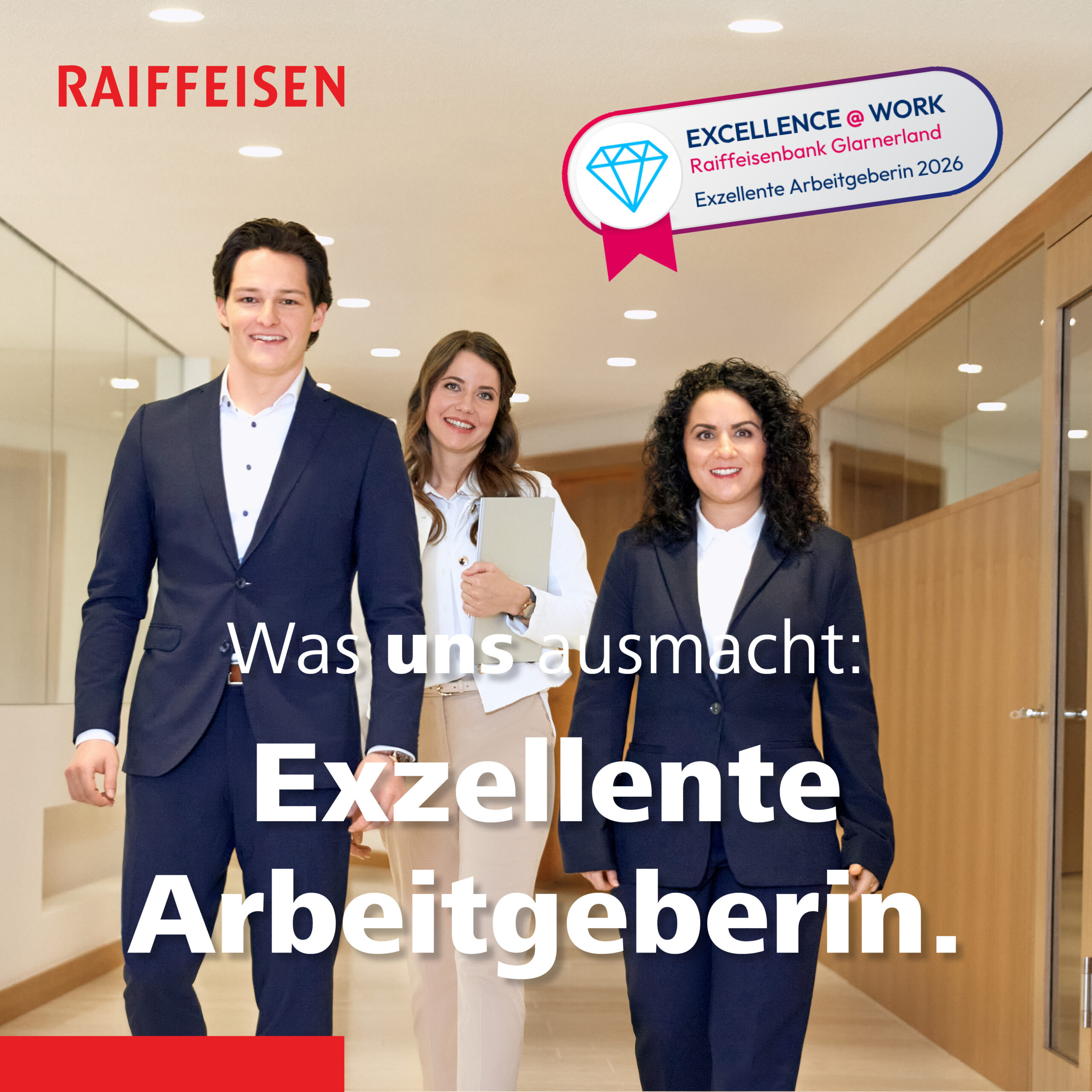
Top Employer: Raiffeisenbank Glarnerland Impresses with Strong Leadership
September 21, 2026
Reading time: 2 min
ValueQuest recently had the honor of presenting the “Excellence@Work Award” to Raiffeisenbank Glarnerland. We extend our heartfelt congratulations.
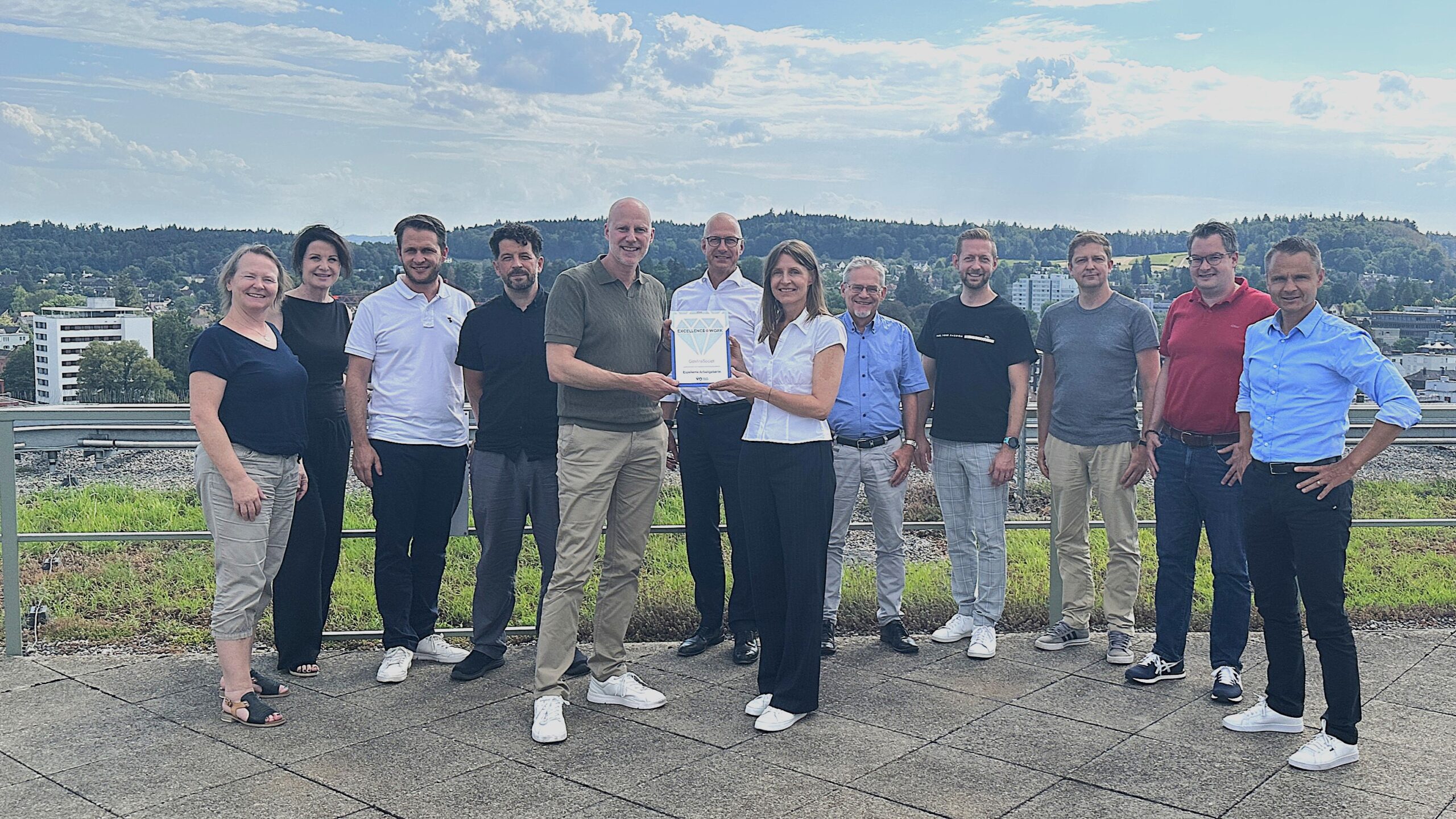
Top Swiss Employers: GastroSocial
September 9, 2026
Reading time: 3 min
GastroSocial has received the 2026 Excellence@Work Award from ValueQuest. With a response rate of 96 percent, a motivation score of 84, and 87 percent of employees serving as brand ambassadors, the company demonstrates a strong employer culture.

Employee Survey: Raiffeisenbank Möhlin Achieves Excellent Results
August 31, 2026
Reading time: 3 min
Raiffeisenbank Möhlin is one of Switzerland's top employers and is receiving our Excellence@Work Award in recognition of this achievement. Congratulations!

Employee Surveys in Switzerland: Find Providers & Tools
August 30, 2026
Reading time: 6 min
Employee Survey in Switzerland: How Do You Find the Right Employee Survey Provider? What Really Matters When It Comes to Anonymity, Tools, Questionnaires, and Analysis.

360-Degree Feedback Questionnaire: Sample, Template, and Sample Questions
August 21, 2026
Reading time: 7 min
Table of Contents A 360-degree feedback process is only as good as its questionnaire. The questionnaire is at the heart of the entire process. It determines whether...
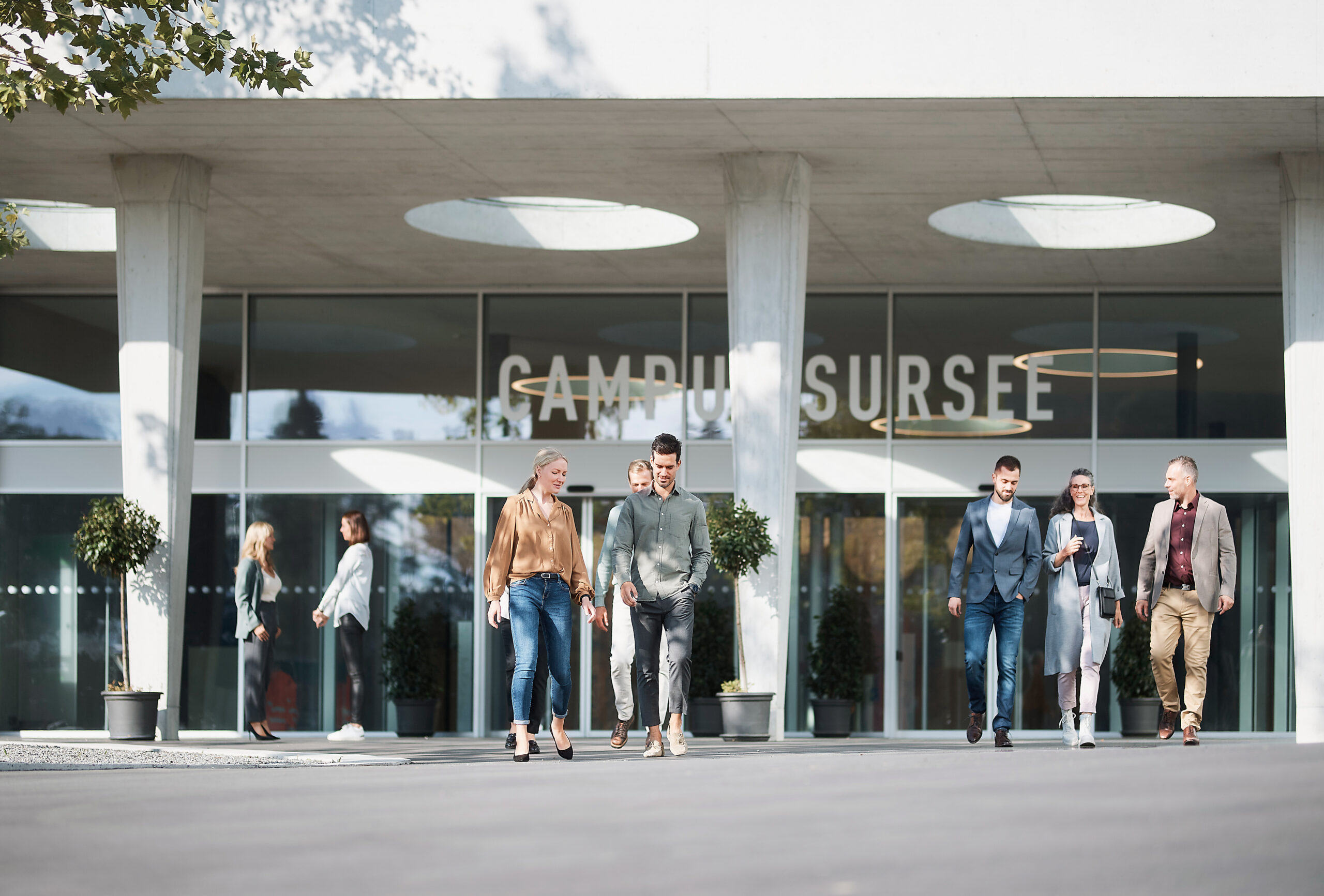
Employee Survey: The CAMPUS SURSEE Foundation Is Among Switzerland's Best Employers
August 5, 2026
Reading time: 2 min
ValueQuest honors particularly attractive employers in Switzerland with the Excellence@Work Award. We recently had the pleasure of presenting the award to the CAMPUS SURSEE Foundation.
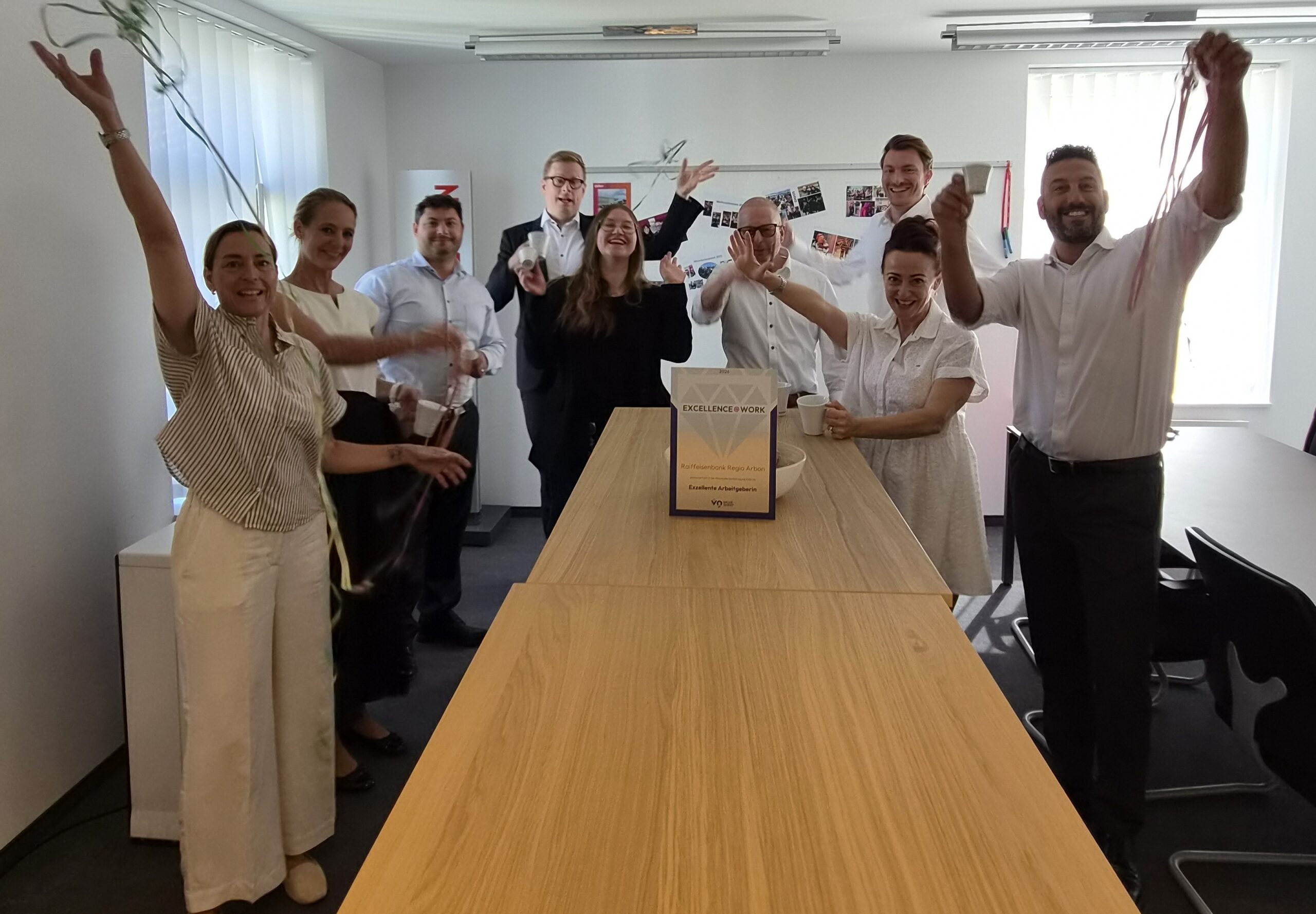
Raiffeisenbank Regio Arbon, a Top Employer: Personal Responsibility as Part of a Strong Corporate Culture
July 7, 2026
Reading time: 2 min
ValueQuest honors particularly attractive employers in Switzerland with the Excellence@Work Award. We recently had the pleasure of presenting the award to Raiffeisenbank Regio Arbon.