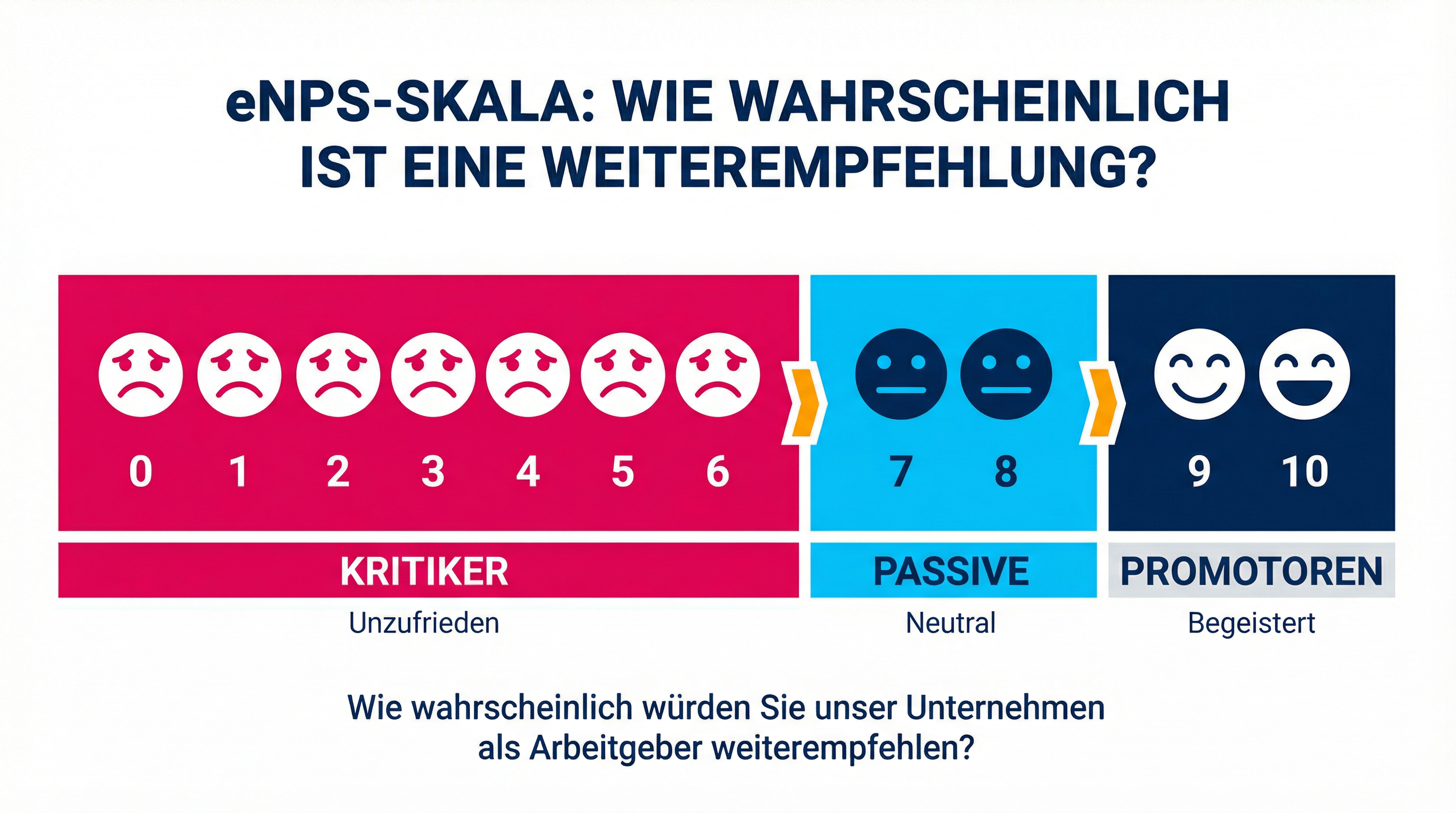
Employee surveys have become an integral part of the working world. But in times of increasing digitalization, what does it take to make an employee survey target-oriented and effective? ValueQuest has compiled some of the most important trends from its own experience and with the help of external research:
Motivation and commitment
In the past, the focus was on employee satisfaction or the working atmosphere (e.g. Great Place to Work). Today, the aim is to find out more about employees' motivation and commitment to the organization.
An employee survey can measure commitment and motivation in the workplace. With simple and targeted questions, companies learn a lot about the needs and wishes of their employees. If these findings are implemented correctly, this has a positive influence on motivation and employee commitment, i.e. employees are willing to do more for the company. Companies are thus well equipped to operate successfully on the market in the future.
New topics
In the course of digitalization and rapid changes in forms of work, new topics are increasingly finding their way into companies. These must be adequately integrated into a survey:
- Digital leadership:
Increasing digitalization goes hand in hand with new demands on managers - Virtual communication:
Alongside many advantages, there are also some challenges. For example, how can companies remain creative and effective when communication often takes place virtually rather than in person? - Working from home:
How much or how little control is necessary? Which structures make sense? - Diversity & Inclusion:
How do you create a working environment in which people of different backgrounds, preferences, skills, etc. feel valued and can work together successfully? - Sustainability:
What about responsibility for the needs of today's and tomorrow's society? - Personal health and stress in the workplace:
Work and health are closely linked. Just as personal health can affect an individual's ability to work, work can also affect health.
Increased use of technologies
The technical hurdles have been lowered and employees can easily be surveyed by the company itself with the help of inexpensive or even free tools. At the same time, advanced data analytics supported by artificial intelligence are increasingly being used to analyze the data. AI and machine learning are increasingly being used to visualize the results, especially when analyzing open comments. This makes it possible to identify patterns and trends that can be used to improve the effectiveness of employee surveys.
Companies are faced with the choice of either doing everything themselves or relying on the experience of professionals. Doing it yourself may be cheaper and sometimes faster. However, this approach is associated with data protection restrictions, which has an impact on employees' trust in the survey. And although you have often generated a large amount of data, you don't know where to start.
Dialog-oriented feedback culture
In the past, employee surveys were often seen as one-way communication: employees could express their opinion and that was it. However, a survey should not end with the results reports, this is where it really begins. The focus should be on the implementation of the results and the dialog with employees resulting from the survey.
It is important to inform employees of the results quickly after the survey has been completed and to distribute the results reports to the evaluated units so that appropriate measures can be defined promptly.
Variety of shapes
In the past, an employee survey was conducted annually or every two years, often with more than a hundred extensively formulated questions. This resulted in large amounts of data including comprehensive benchmarking. The focus of these employee surveys was more on figures and comparisons than on constructive feedback and clear options for action.
Today, the classic employee survey is easier and faster and there are new tools such as
- Short and regular pulse surveys
- Cumulative employee surveys
- 360 degree leadership feedback
- Focused surveys along the employee life cycle - from onboarding to employees leaving the company - or topic-related surveys (e.g. health, digitalization, innovation dynamics, etc.).
Shorter surveys and real-time results are in keeping with the spirit of the times. However, the classic employee survey is still in demand. In many companies, it is being flanked and expanded by ever broader survey landscapes. So there is no longer just ONE big "employee survey" project. A sensible combination of classic surveys, pulse surveys and other topic- or target group-specific surveys guarantee success.
More impact reference
The trend is moving away from unstructured surveys towards employee surveys with a clear impact model. This makes it possible to derive clear measures from the survey.
Modern employee surveys focus on the success of the company. This requires loyal and motivated employees as well as an organizational setup that allows employees to work effectively. A professional employee survey carefully models these requirements. The results are correlated with "hard" HR analytics and performance data. Targeted measures can then be derived from this. Employee surveys are then not primarily a cost factor, but an important component of the corporate performance system.
Finding the right mix with ValueQuest
ValueQuest supports companies in defining the right (mix of) survey instrument(s) to achieve a targeted and effective dialog with employees. Our various instruments meet all requirements:
- The classic employee survey works with a clear impact model that promotes feedback and dialog
- The flexible uPulse surveys are the ideal tool for short, regular surveys, e.g. a cumulative employee survey over a specific cycle or topic-related surveys
Article published on December 8, 2022
About Barbara Haimoff

Barbara Haimhoff is Office Manager at ValueQuest and ensures that day-to-day business runs smoothly. She graduated from the KV Baden business school and is a qualified commercial clerk with many years of professional experience in administration and organization. Find out more about Barbara
Inspired? Then share this post via your favorite platform.
Other articles that might interest you ...
Heimgärten Aargau Honored as a Top Employer: Enthusiasm Meets Trust
October 27, 2026
Reading time: 3 min
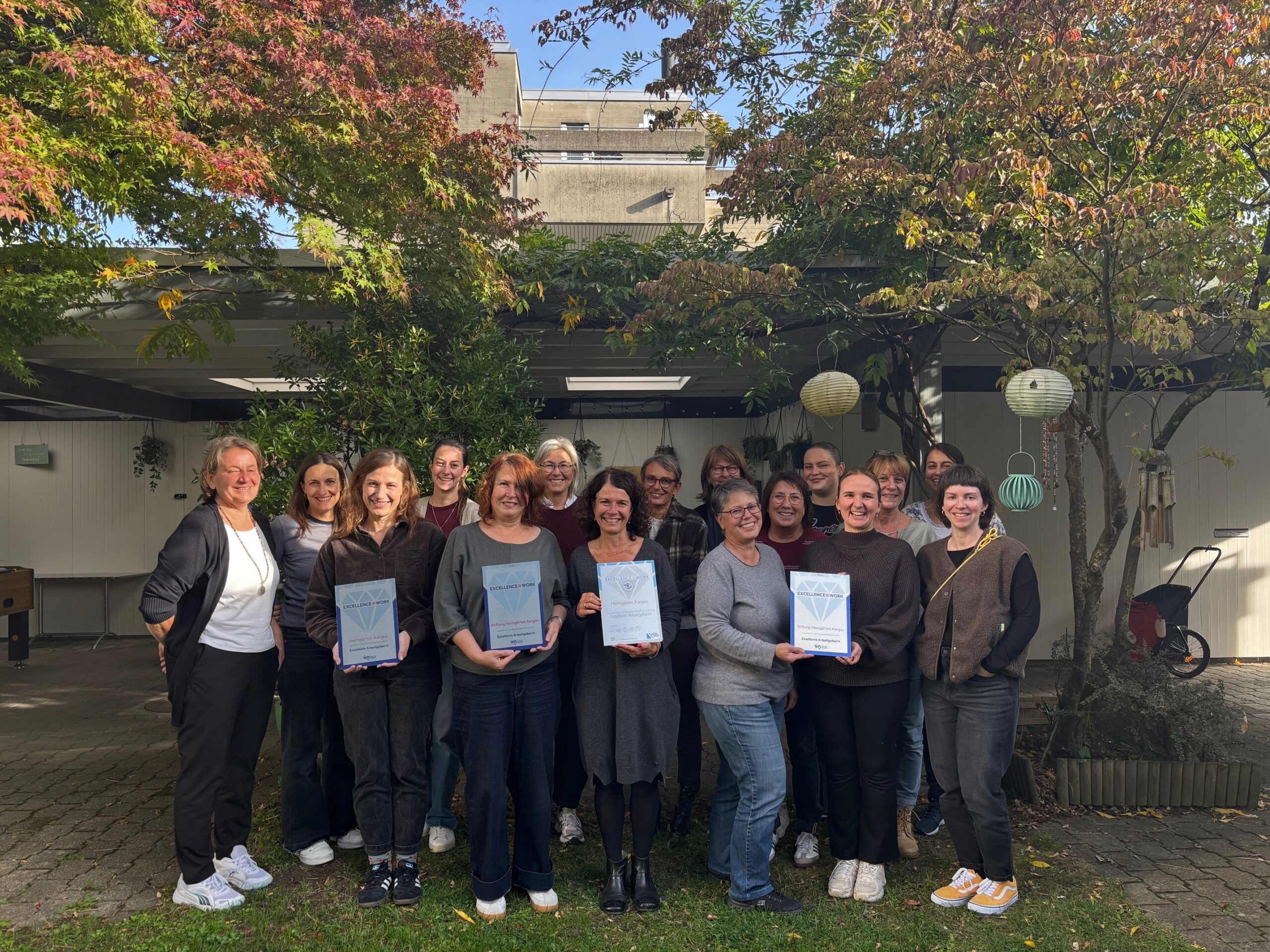
The Heimgärten Aargau Foundation has once again achieved outstanding results in the latest employee survey. For the fourth consecutive year, ValueQuest has honored the foundation with the Excellence@Work Award in recognition of its high appeal as an employer. We extend our heartfelt congratulations.

AI in the Swiss Insurance Market: What Insurers Can Learn from the Results
October 1, 2026
Reading time: 4 min
Artificial intelligence is not universally accepted in the Swiss insurance market. As a study by ValueQuest shows, customers’ openness to AI depends heavily on how it is used.

AI in the Swiss Insurance Market: Between Acceptance and Skepticism
September 28, 2026
Reading time: 5 min
For many Swiss people, artificial intelligence has become an integral part of everyday life. However, the situation is different when it comes to insurance companies.
Top Employer: Raiffeisenbank Glarnerland Impresses with Strong Leadership
September 21, 2026
Reading time: 2 min
ValueQuest recently had the honor of presenting the “Excellence@Work Award” to Raiffeisenbank Glarnerland. We extend our heartfelt congratulations.
Top Swiss Employers: GastroSocial
September 9, 2026
Reading time: 3 min
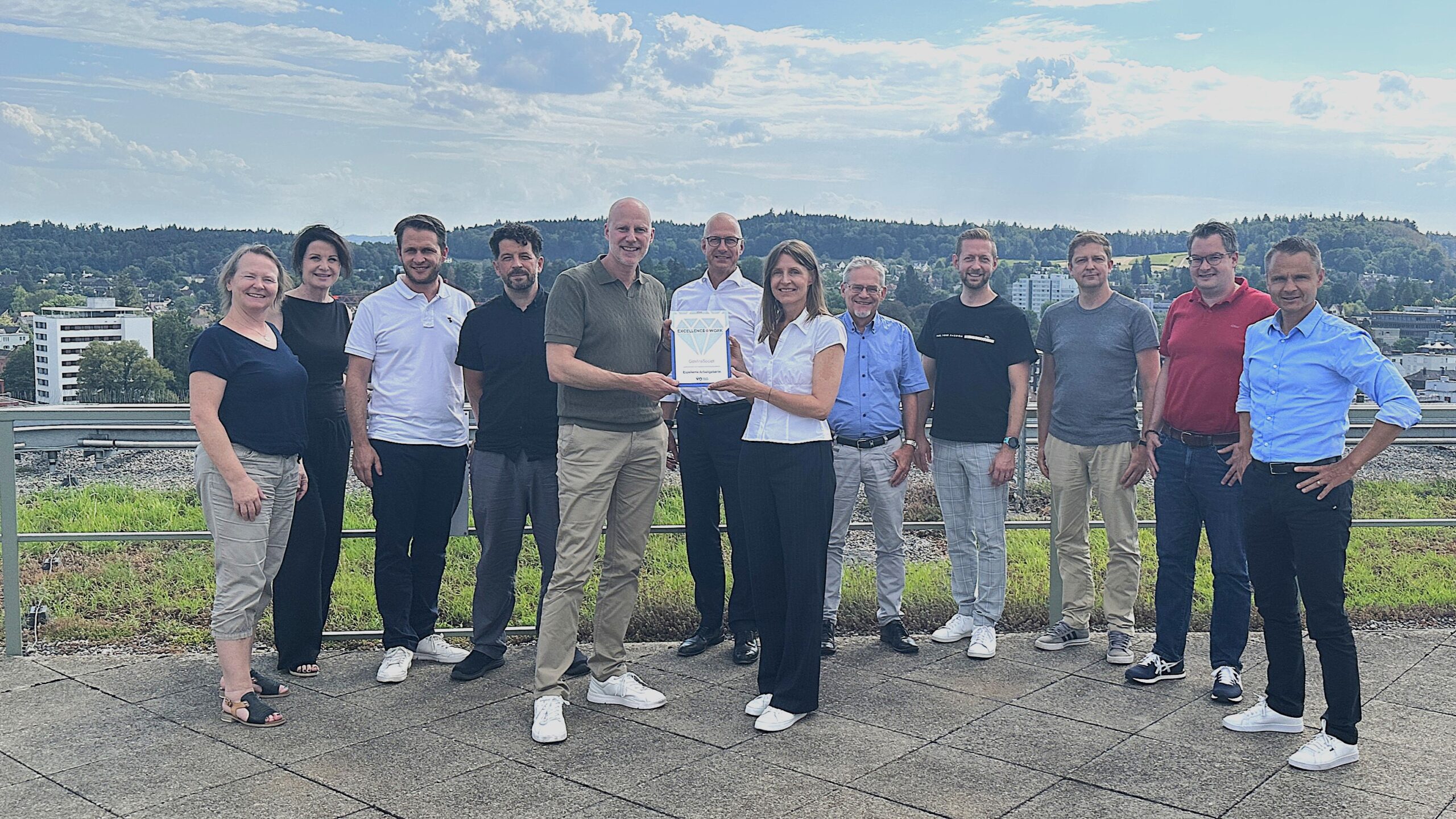
GastroSocial has received the 2026 Excellence@Work Award from ValueQuest. With a response rate of 96 percent, a motivation score of 84, and 87 percent of employees serving as brand ambassadors, the company demonstrates a strong employer culture.

Employee Survey: Raiffeisenbank Möhlin Achieves Excellent Results
August 31, 2026
Reading time: 3 min
Raiffeisenbank Möhlin is one of Switzerland's top employers and is receiving our Excellence@Work Award in recognition of this achievement. Congratulations!

Employee Surveys in Switzerland: Find Providers & Tools
August 30, 2026
Reading time: 6 min
Employee Survey in Switzerland: How Do You Find the Right Employee Survey Provider? What Really Matters When It Comes to Anonymity, Tools, Questionnaires, and Analysis.

360-Degree Feedback Questionnaire: Sample, Template, and Sample Questions
August 21, 2026
Reading time: 7 min
Table of Contents A 360-degree feedback process is only as good as its questionnaire. The questionnaire is at the heart of the entire process. It determines whether...
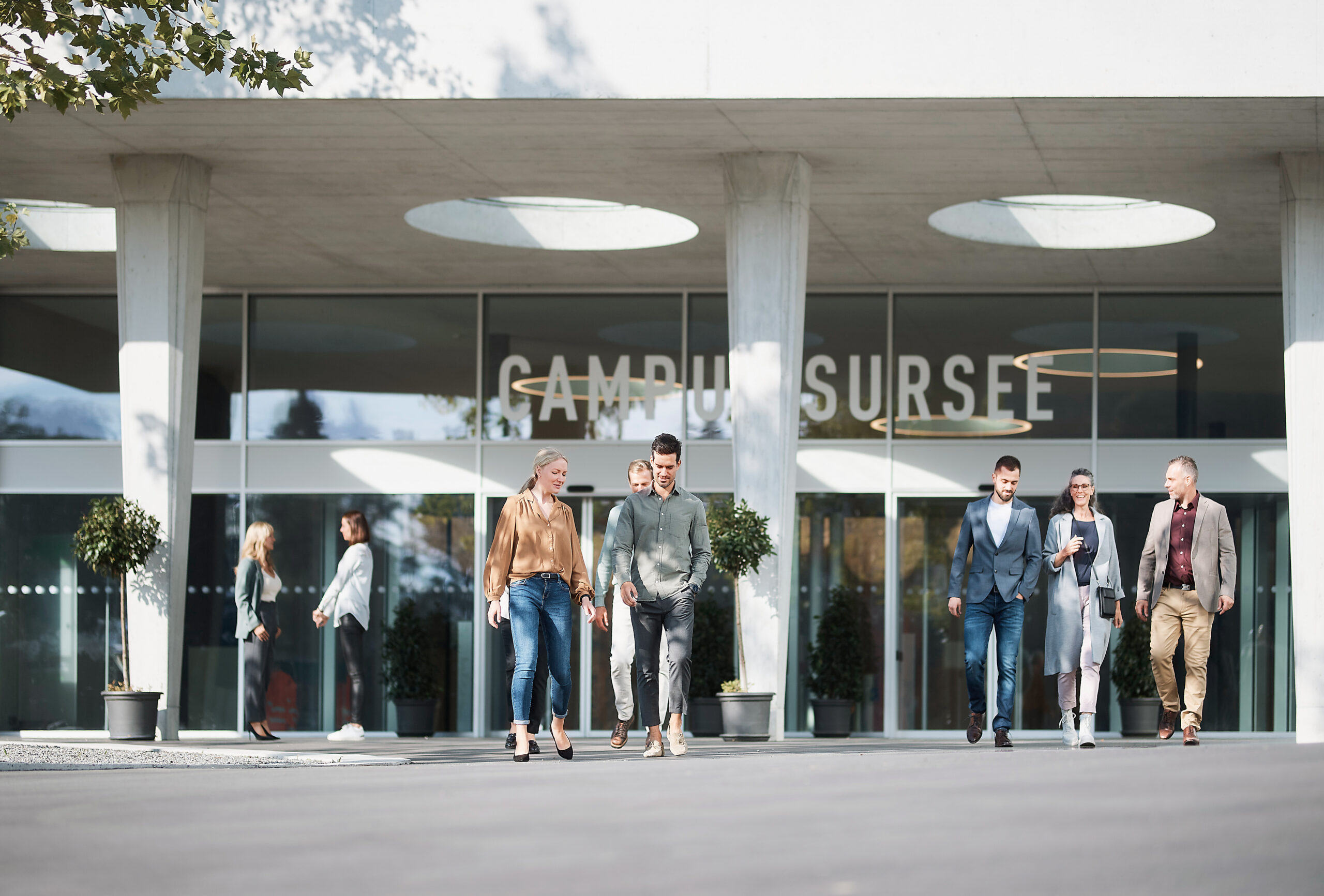
Employee Survey: The CAMPUS SURSEE Foundation Is Among Switzerland's Best Employers
August 5, 2026
Reading time: 2 min
ValueQuest honors particularly attractive employers in Switzerland with the Excellence@Work Award. We recently had the pleasure of presenting the award to the CAMPUS SURSEE Foundation.