According to Wikipedia, transformational leadership is a leadership style concept in which performance is improved by changing (Latin: transformare - to transform) the values and attitudes of those being "led" away from selfish, individual goals towards long-term, overarching goals. Managers with a transformational leadership style try to create conditions that increase the intrinsic motivation of their employees. They do this, for example, by communicating attractive visions, communicating a common path to achieving goals, acting as a positive role model and supporting the individual development of employees.
Transactional leadership is characterized by clear structures, rules and goals. Employees do what their superiors expect of them. The work performed is based on the idea of exchange. In other words, an input-output relationship based on the principle of give and take. If I make my working time available or achieve predefined targets, I receive money in exchange.
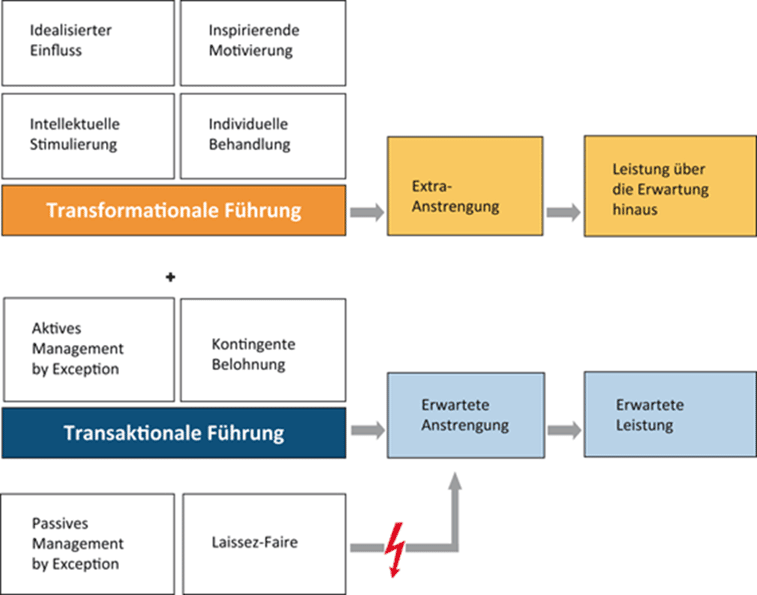
The Full Range of Leadership Model
The Full Range of Leadership Model (FRLM) is a model that depicts the behavior of managers towards employees in work situations. It represents an overarching leadership theory in which the transactional and transformational leadership styles are related to the laissez-faire leadership style:
Which management style is better?
In theory, it is often argued that the transformational leadership style is more effective. However, in an organization in which only visionary charismatics are active, little concrete results are likely to be achieved at the end of the day. On the other hand, an organization in which everyone conducts "business as usual" is unlikely to develop sustainably in the long term.
Below are some arguments in favor of the respective management style:
Transformational leadership:
- Focuses on a high-level exchange. Team members are better motivated and inspired, which leads to a better result in the long term. However, this also requires more time to build relationships.
- One of the most important aspects of the advantages and disadvantages of transformational leadership is the ability to recognize gaps and problems in a vision and quickly propose changes accordingly. Managers can also "sell" this new solution to their employees, which would mean that it is accepted immediately.
Transactional leadership:
- Looks at the process and ensures that procedures are clear, concise and well documented. Managers with this management style ensure that all employees within their sphere of influence know exactly what is expected of them.
- If leaders need to achieve short-term results or work in an area with strict guidelines (e.g. healthcare, finance, production...), this management style is often better suited for this.
Every management style requires different qualities
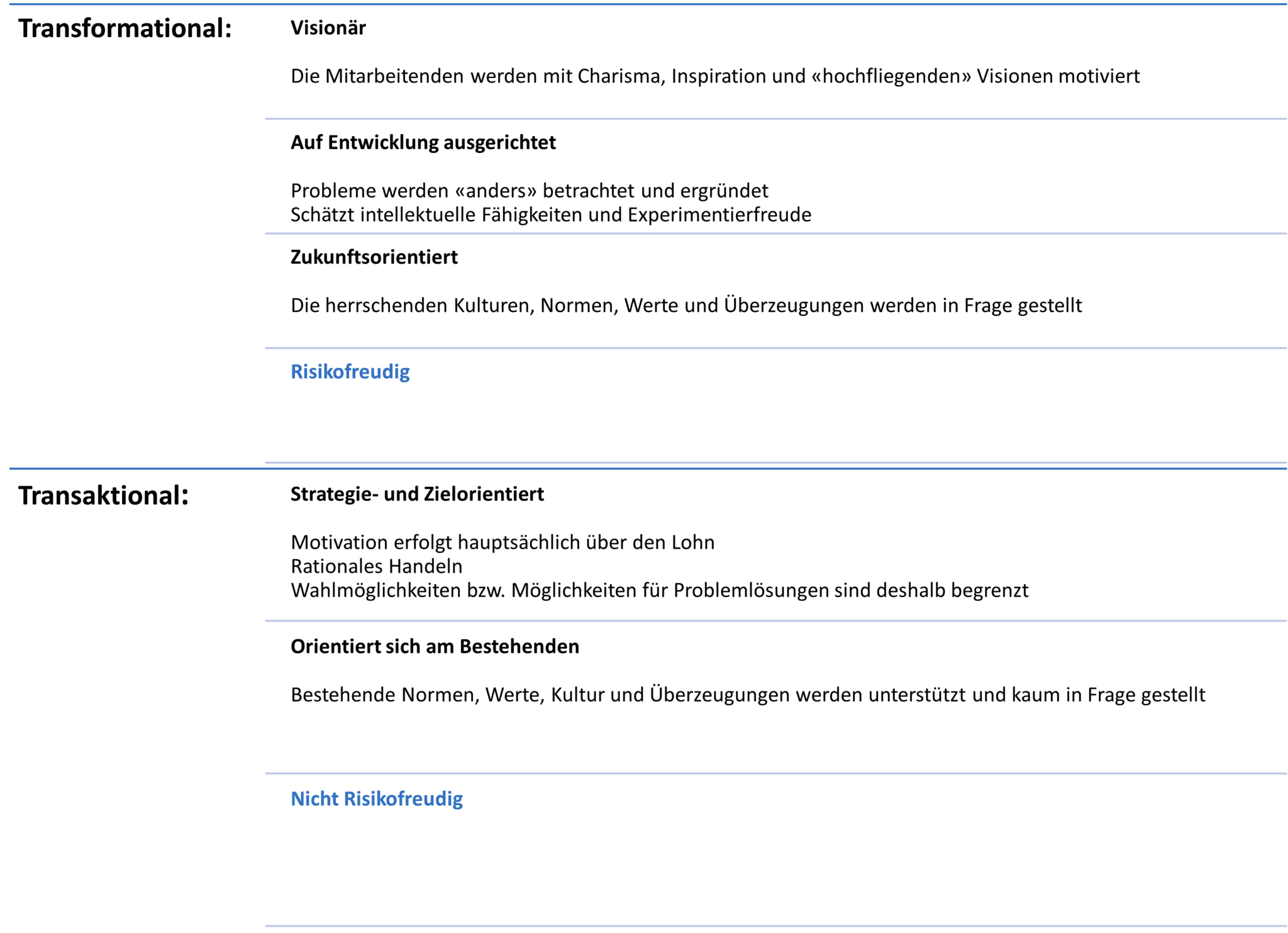
The following is a (simplified) comparison of the qualities that characterize the respective managers:
How do I recognize what type of leader I am?
The ideal type of leadership hardly exists in the reality of the workplace. However, every manager has different leadership styles on a continuum of the dimensions of the various leadership styles.
The Leadership Profiler from ValueQuest
To provide organizations and individual leaders (or potential leaders) with an effective tool, ValueQuest has developed the "Leadership Profiler". This instrument is based on the Full Range Leadership Model. However, ValueQuest has focused on a high degree of practicability to ensure broad use in the company. Abstract and complicated terms such as "idealized influence" have been simplified
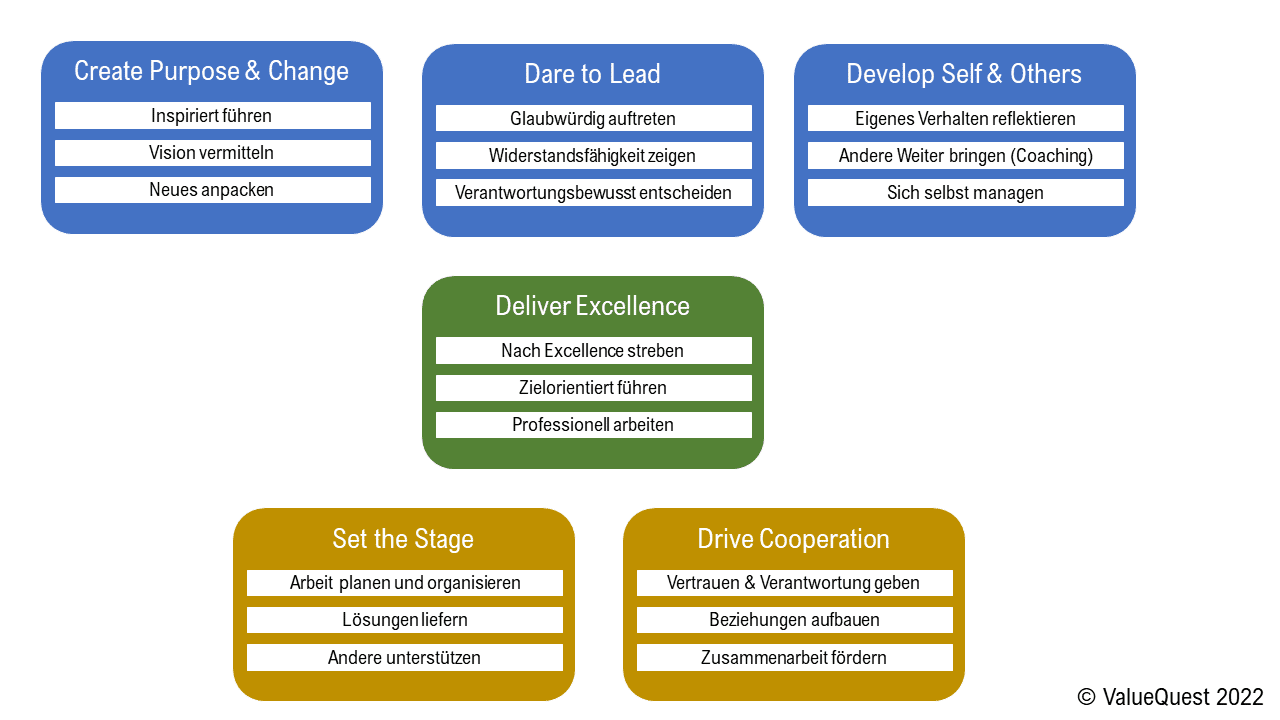
The ValueQuest model combines the aspects of transformational and transactional leadership and measures 18 competencies in 6 fields (blue: transformational, brown: transactional, green: result).
What is special about the Leadership Profiler?
- The Leadership Profiler is based on the concept and validated research of the Full Range of Leadership Model. However, it has been simplified to such an extent that it can be used in operational practice - in all sectors - without complicated explanations
- The Leadership Profiler is based on easily observable behavioral patterns
- Feedback is given in 360° style, which means that you are assessed from different perspectives (e.g. employees, peers, superiors, customers, etc.). These external perspectives are contrasted with the self-image.
- The Leadership Profiler is not intended to depict an absolute judgement (good / bad leader), but to visualize the profile of the feedback recipient: Which competencies / dimensions are more pronounced, which less so? The Leadership Profiler is therefore particularly suitable for the personal development and promotion of (potential) managers and can be used in the context of courses, team development, assessments, etc.
- The Leadership Profiler works with trade-offs instead of absolute scores. As a result, all the people assessed have a score of 100 across all competencies. The only difference is the relative level of the competencies.
- Example question:


The Leadership Profiler as a tool for successful career planning
The Leadership Profiler can be used by companies for (potential) managers, but also by private individuals for better self-assessment. Take your career planning into your own hands and create your own leadership profile!
Are you interested in our Leadership Profiler? Then give us a call (044 786 32 52) or write to us at info@valuequest.ch. Would you like to find out more about ValueQuest and our services? Then visit our homepage www.valuequest.ch. And if you follow our Linkedin company page, you will always be up-to-date.
Article published on August 12, 2022
About Heidi Blanken

Heidi Blanken is an expert and advisor at ValueQuest with a focus on evaluation and methodological consulting. She studied psychology with a focus on methodology as well as economics and labor law at the University of Zurich and graduated with a lic. phil. I degree.
Inspired? Then share this post via your favorite platform.
Other articles that might interest you ...

AI in the Swiss Insurance Market: What Insurers Can Learn from the Results
October 1, 2026
Reading time: 4 min
Artificial intelligence is not universally accepted in the Swiss insurance market. As a study by ValueQuest shows, customers’ openness to AI depends heavily on how it is used.

AI in the Swiss Insurance Market: Between Acceptance and Skepticism
September 28, 2026
Reading time: 5 min
For many Swiss people, artificial intelligence has become an integral part of everyday life. However, the situation is different when it comes to insurance companies.
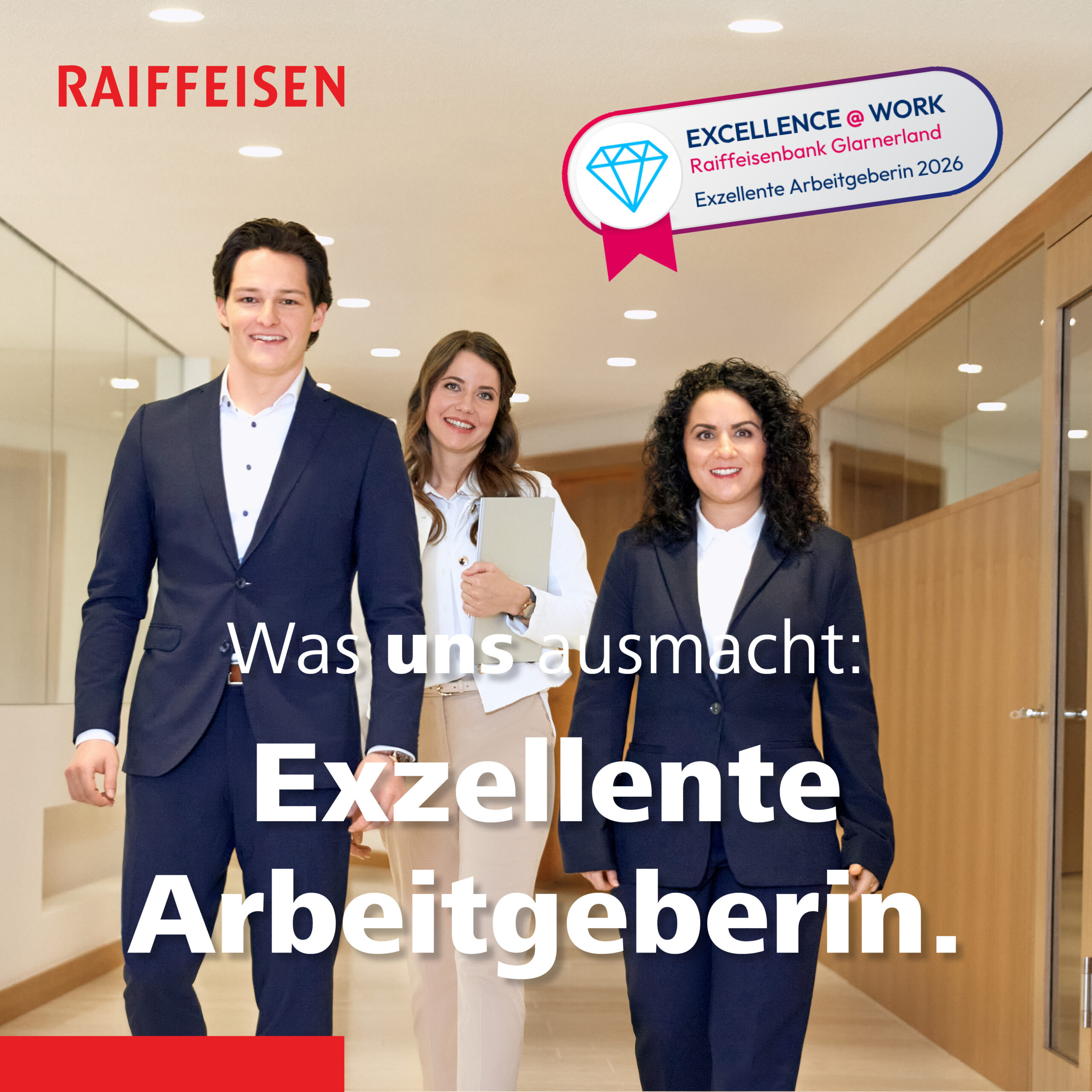
Top Employer: Raiffeisenbank Glarnerland Impresses with Strong Leadership
September 21, 2026
Reading time: 2 min
ValueQuest recently had the honor of presenting the “Excellence@Work Award” to Raiffeisenbank Glarnerland. We extend our heartfelt congratulations.
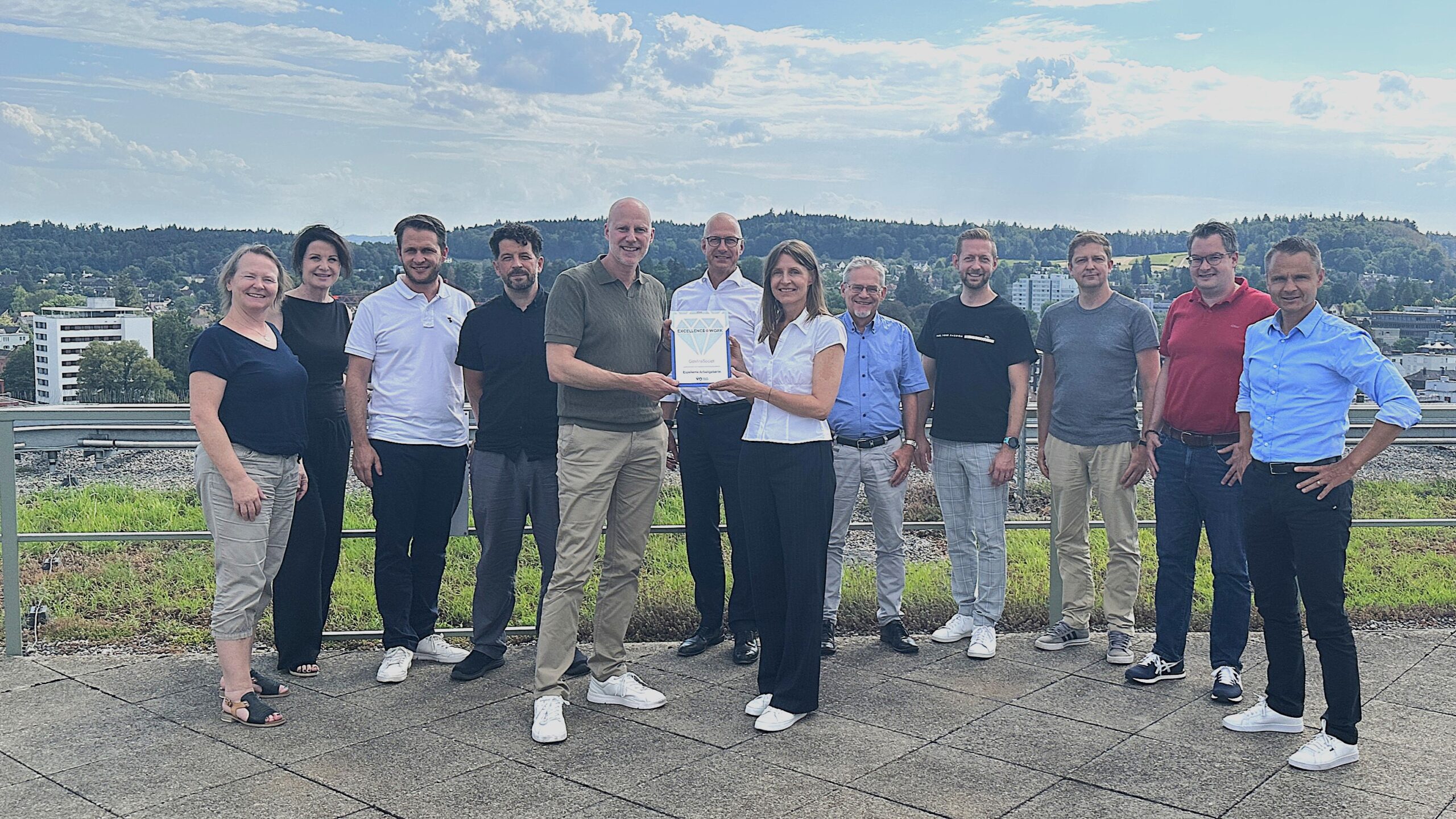
Top Swiss Employers: GastroSocial
September 9, 2026
Reading time: 3 min
GastroSocial has received the 2026 Excellence@Work Award from ValueQuest. With a response rate of 96 percent, a motivation score of 84, and 87 percent of employees serving as brand ambassadors, the company demonstrates a strong employer culture.

Employee Survey: Raiffeisenbank Möhlin Achieves Excellent Results
August 31, 2026
Reading time: 3 min
Raiffeisenbank Möhlin is one of Switzerland's top employers and is receiving our Excellence@Work Award in recognition of this achievement. Congratulations!

Employee Surveys in Switzerland: Find Providers & Tools
August 30, 2026
Reading time: 6 min
Employee Survey in Switzerland: How Do You Find the Right Employee Survey Provider? What Really Matters When It Comes to Anonymity, Tools, Questionnaires, and Analysis.

360-Degree Feedback Questionnaire: Sample, Template, and Sample Questions
August 21, 2026
Reading time: 7 min
Table of Contents A 360-degree feedback process is only as good as its questionnaire. The questionnaire is at the heart of the entire process. It determines whether...

Employee Survey: The CAMPUS SURSEE Foundation Is Among Switzerland's Best Employers
August 5, 2026
Reading time: 2 min
ValueQuest honors particularly attractive employers in Switzerland with the Excellence@Work Award. We recently had the pleasure of presenting the award to the CAMPUS SURSEE Foundation.
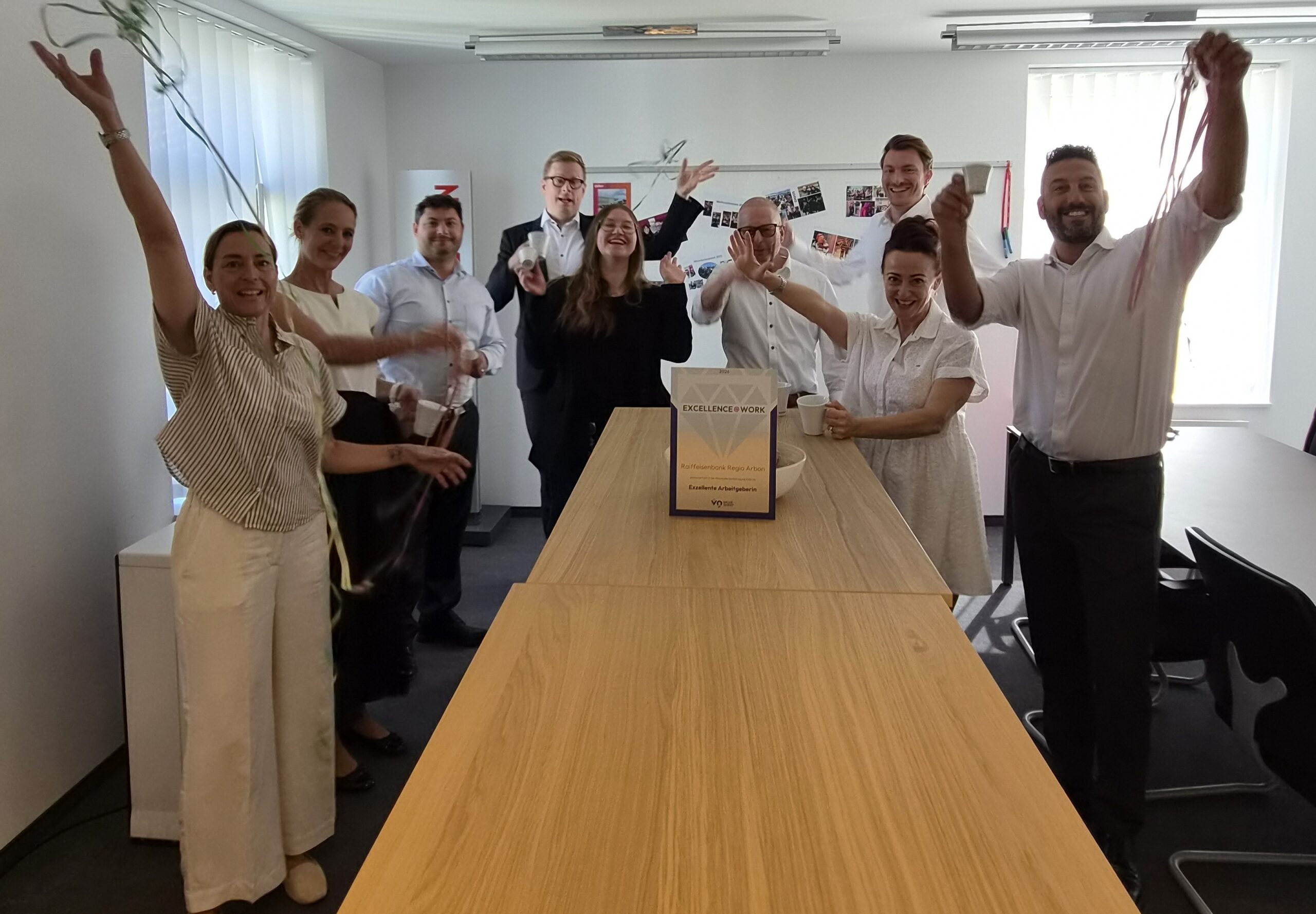
Raiffeisenbank Regio Arbon, a Top Employer: Personal Responsibility as Part of a Strong Corporate Culture
July 7, 2026
Reading time: 2 min
ValueQuest honors particularly attractive employers in Switzerland with the Excellence@Work Award. We recently had the pleasure of presenting the award to Raiffeisenbank Regio Arbon.