Workation and the legal framework for companies were the focus of the interview with employment law expert J. Maria Siemens-Behm by Dr. oec. Kathrin Neumüller from ValueQuest.
As an in-house lawyer, Maria Siemens-Behm advises the personnel management companies of the German Unilever Group on all employment law issues relating to individual and collective agreements. In this function, Maria Siemens-Behm also conducts negotiations with the group's own employee representative bodies to implement operational changes. She also acts as a mediator and honorary judge.
What exactly do we mean by workation?
This neologism stands for the combination of work and vacation. However, work and vacation are in conflict with each other - you cannot work and go on vacation at the same time. The term presumably comes from the fact that a workation takes place in the place where the employee is on vacation before or after work, for example. In this respect, it would be more accurate to say that work takes place at the vacation location. The decisive factor is the freedom to choose the place of work during a workation to a greater extent than during regular work!
Have you already had your own experiences with Workation?
I personally haven't done a workation yet. But I can well imagine combining it with a vacation trip. It would be very practical to be able to spend a whole month abroad in this way, for example, by first taking two or three weeks' vacation and then adding a week of workation. It is certainly a pleasant side effect if you can be on the beach or in the water quickly after work or during a break.
What has been the trend with Workation over the last 10 years?
The idea of workation for employees is relatively new. Self-employed people such as freelancers have always been much freer in this respect than employees. Off the top of my head, I can't think of any company that was already offering workation for its own employees 10 years ago. In my opinion, this has really become an issue in the last three years. Perhaps it is related to the general home office wave that has taken hold during the pandemic; in a way, workation could be seen as a further development of the home office. In the past year, there have been a significant number of companies that have jumped on the workation bandwagon. This naturally leads to many legal issues.
What are the most important legal questions that companies should ask themselves before enabling workation?
With workation, it is important to ensure that everything remains the same in terms of employment and social security law. In other words, the labor and social security law applicable in the home country or place of work continues to apply. On the other hand, local reporting obligations of the country in which the workation is to take place must be observed. The challenge here is that each destination country has different regulations and reporting channels. The chambers of industry and commerce, for example, provide a good initial overview. Last but not least, it is important to ensure that the workation does not result in any unwanted obligations for the employer under tax law. An important keyword here is to ensure that you do not establish a permanent establishment abroad under tax law. All of this requires a comprehensive review in advance and, in the best case, internal processes to ensure that no unwanted liability risk for employers and employees results from each workation.
Does workation lead to a mix of work and leisure?
This is an important question that affects our entire modern working world. I don't see any greater risk with workation than with mobile working in general. Mobile working also brings with it these challenges, which each individual and also the company parties must examine and weigh up. As long as workation is a voluntary offer to employees at their request, I don't see any pressure on employees. Workation incurs not inconsiderable costs for the employer, so that very few employers have an interest in it themselves, but rather want to accommodate the wishes of their employees. The cost of applying for an A1 certificate alone, which serves to certify continued social security cover abroad, usually amounts to several hundred euros.
To what extent are we moving towards a two-tier employee system?
Each company or group must consider this on a case-by-case basis and make a considered decision. A workation makes the differences even more visible and noticeable, which are already rooted in the working methods between flexible office jobs on the one hand and activities that are tied to a specific location and time (e.g. in production) on the other.
What do employees in Switzerland have to bear in mind when working in another EU country?
The employer has more things to consider than the employee. After all, it is the employer who retains the right to issue instructions to the employee during the workation and for whom the work is also carried out abroad. It is therefore advisable to draw up a precise process. This should ensure, for example, that Swiss employment law continues to apply, that the official reporting obligations in the respective country of residence are complied with before the start of the trip and that, for example, an A1 certificate is obtained. An A1 certificate proves that health insurance cover continues to apply in the home country. The employee can and should of course cooperate in this. Above all, employees are advised to take out private international health insurance that covers particularly high costs such as repatriation costs.
A number of companies do not allow workation. How do you rate that?
Each company must decide this for itself. I can well understand that allowing workation does not make economic sense for some companies due to the legal challenges I have just mentioned. Ultimately, the question is how much pressure there is from the labor market. In the current applicant market, it depends on whether I as a company can still hold my own against other companies in the battle for qualified specialists who, for example, offer workation and other benefits sought after by applicants.
Workation can lead to legal problems. What need for regulation do you see in politics?
Personally, I think it would be helpful to introduce standardized reporting procedures to the respective countries of residence, which are currently still regulated locally, at least within the European Economic Community via a central reporting office. This would eliminate the patchwork of regulations and different requirements and make workation much more attractive and easier to implement!
What are the labor law consequences of workation?
The process steps and documents required to ensure that Swiss employment law and all social security conditions continue to apply must be carefully checked and prepared in advance. I assume that this will generally be the intention. Union law, on the other hand, states in principle that the law of the country of residence from which you are working applies.
These process steps can include, in particular, an individual contractual agreement with the employee as well as information on compliance with occupational health and safety law and data protection law. In my opinion, a time limit for workation per year and employee is also essential, for example four weeks. From the employer's point of view, it is also important that the public holidays applicable at the location of the workation must be observed. As a rule, these will not be the same public holidays as in Switzerland. There is therefore a wide range of process steps and measures to be considered before the first employee is sent on workation.
Article published on May 7, 2024
About Barbara Haimoff

Barbara Haimhoff is Office Manager at ValueQuest and ensures that day-to-day business runs smoothly. She graduated from the KV Baden business school and is a qualified commercial clerk with many years of professional experience in administration and organization. Find out more about Barbara
Inspired? Then share this post via your favorite platform.
Other articles that might interest you ...

AI in the Swiss Insurance Market: What Insurers Can Learn from the Results
October 1, 2026
Reading time: 4 min
Artificial intelligence is not universally accepted in the Swiss insurance market. As a study by ValueQuest shows, customers’ openness to AI depends heavily on how it is used.

AI in the Swiss Insurance Market: Between Acceptance and Skepticism
September 28, 2026
Reading time: 5 min
For many Swiss people, artificial intelligence has become an integral part of everyday life. However, the situation is different when it comes to insurance companies.
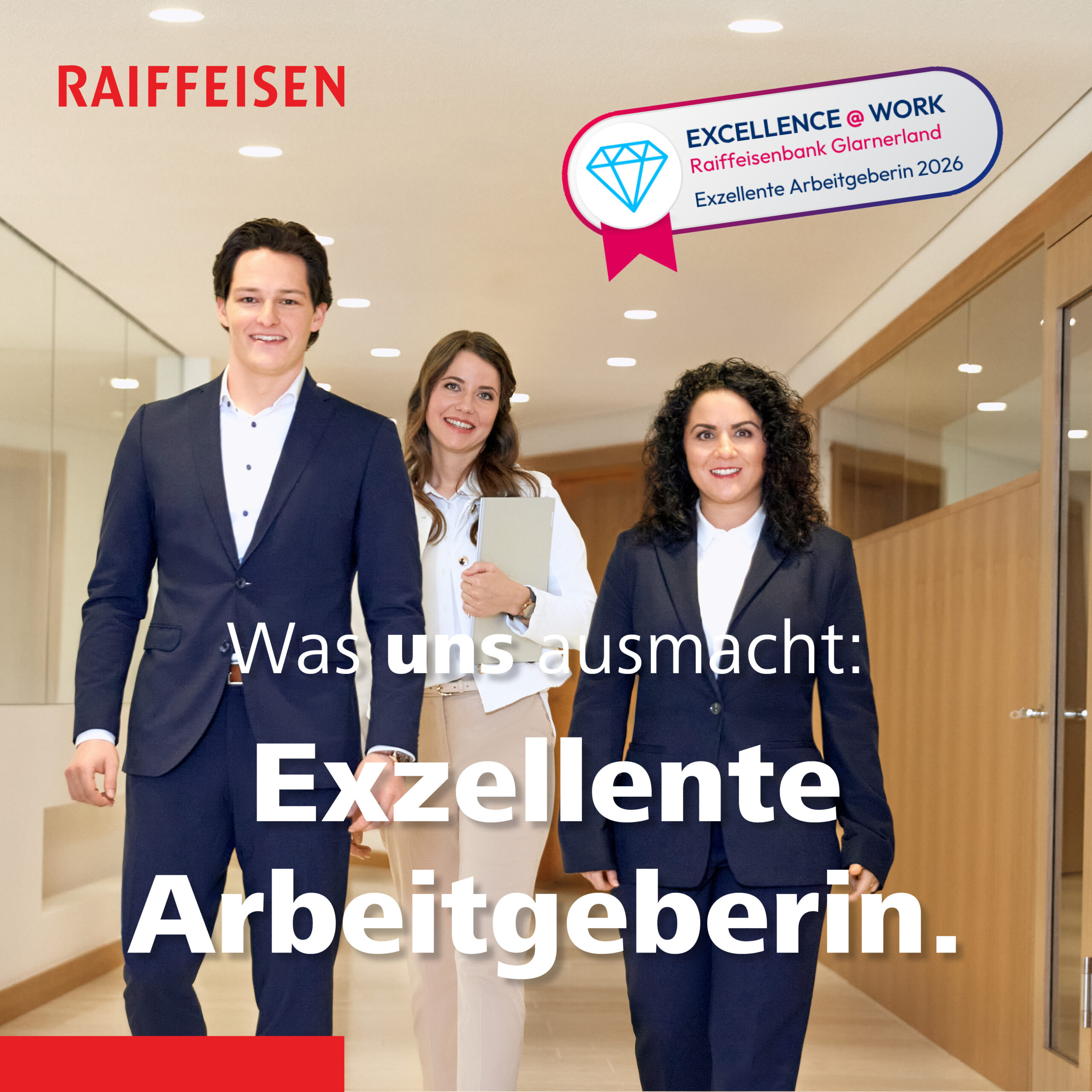
Top Employer: Raiffeisenbank Glarnerland Impresses with Strong Leadership
September 21, 2026
Reading time: 2 min
ValueQuest recently had the honor of presenting the “Excellence@Work Award” to Raiffeisenbank Glarnerland. We extend our heartfelt congratulations.
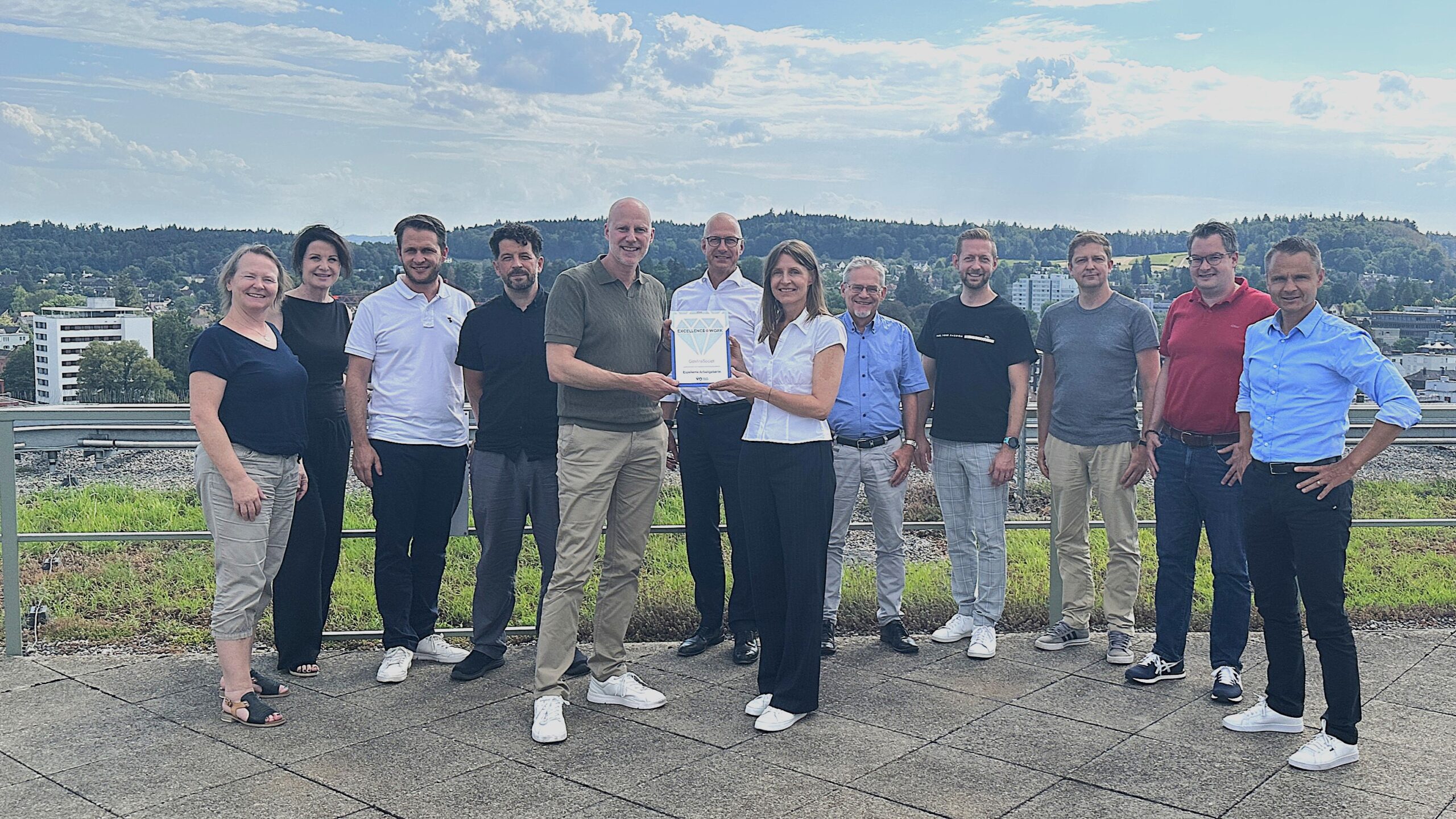
Top Swiss Employers: GastroSocial
September 9, 2026
Reading time: 3 min
GastroSocial has received the 2026 Excellence@Work Award from ValueQuest. With a response rate of 96 percent, a motivation score of 84, and 87 percent of employees serving as brand ambassadors, the company demonstrates a strong employer culture.

Employee Survey: Raiffeisenbank Möhlin Achieves Excellent Results
August 31, 2026
Reading time: 3 min
Raiffeisenbank Möhlin is one of Switzerland's top employers and is receiving our Excellence@Work Award in recognition of this achievement. Congratulations!

Employee Surveys in Switzerland: Find Providers & Tools
August 30, 2026
Reading time: 6 min
Employee Survey in Switzerland: How Do You Find the Right Employee Survey Provider? What Really Matters When It Comes to Anonymity, Tools, Questionnaires, and Analysis.

360-Degree Feedback Questionnaire: Sample, Template, and Sample Questions
August 21, 2026
Reading time: 7 min
Table of Contents A 360-degree feedback process is only as good as its questionnaire. The questionnaire is at the heart of the entire process. It determines whether...
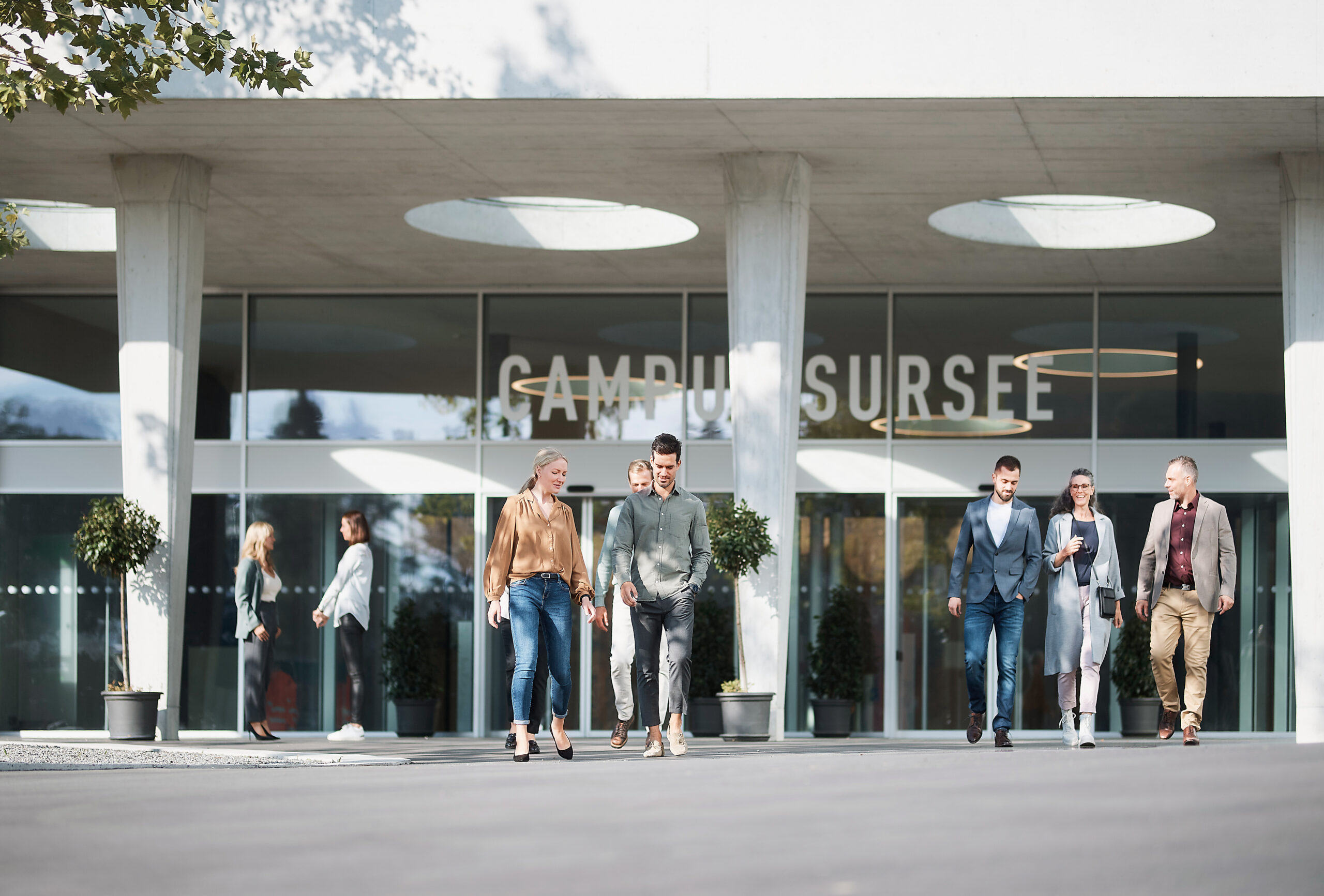
Employee Survey: The CAMPUS SURSEE Foundation Is Among Switzerland's Best Employers
August 5, 2026
Reading time: 2 min
ValueQuest honors particularly attractive employers in Switzerland with the Excellence@Work Award. We recently had the pleasure of presenting the award to the CAMPUS SURSEE Foundation.
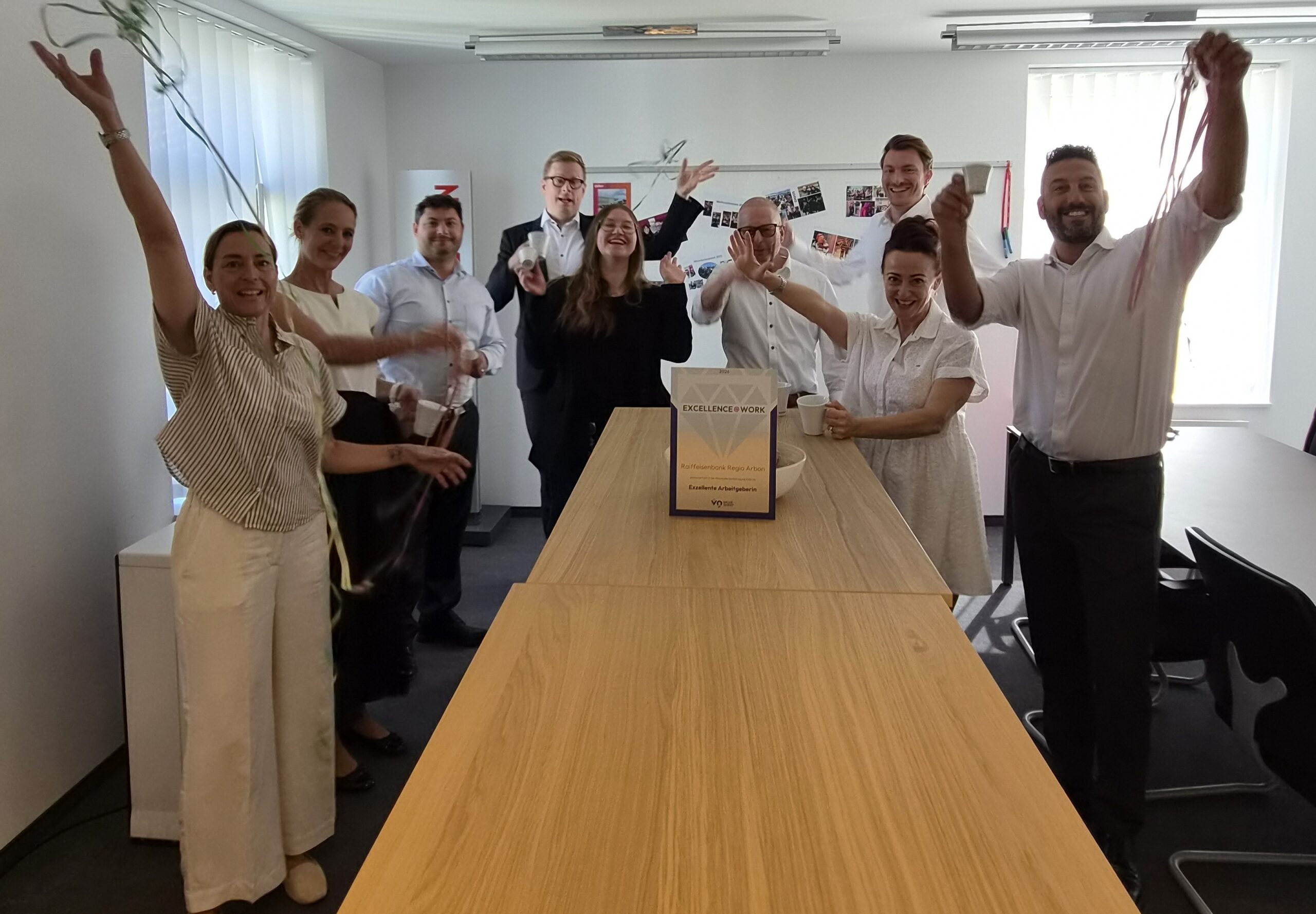
Raiffeisenbank Regio Arbon, a Top Employer: Personal Responsibility as Part of a Strong Corporate Culture
July 7, 2026
Reading time: 2 min
ValueQuest honors particularly attractive employers in Switzerland with the Excellence@Work Award. We recently had the pleasure of presenting the award to Raiffeisenbank Regio Arbon.