In the increasingly fierce battle for good and motivated employees, it is important for companies to stand out from the competition with attractive benefits. This is not just about salary. Other aspects such as reduced working hours or more vacations can also play a role.
As part of a representative survey of 604 employees, we wanted to know whether they would rather have more money or more time. In very concrete terms:
- 3% more pay or
- 1 week of extra paid vacation per year or
- 2 hours less working time per week (with full pay)
In purely monetary terms, all three options are roughly equivalent.
What do employees choose?
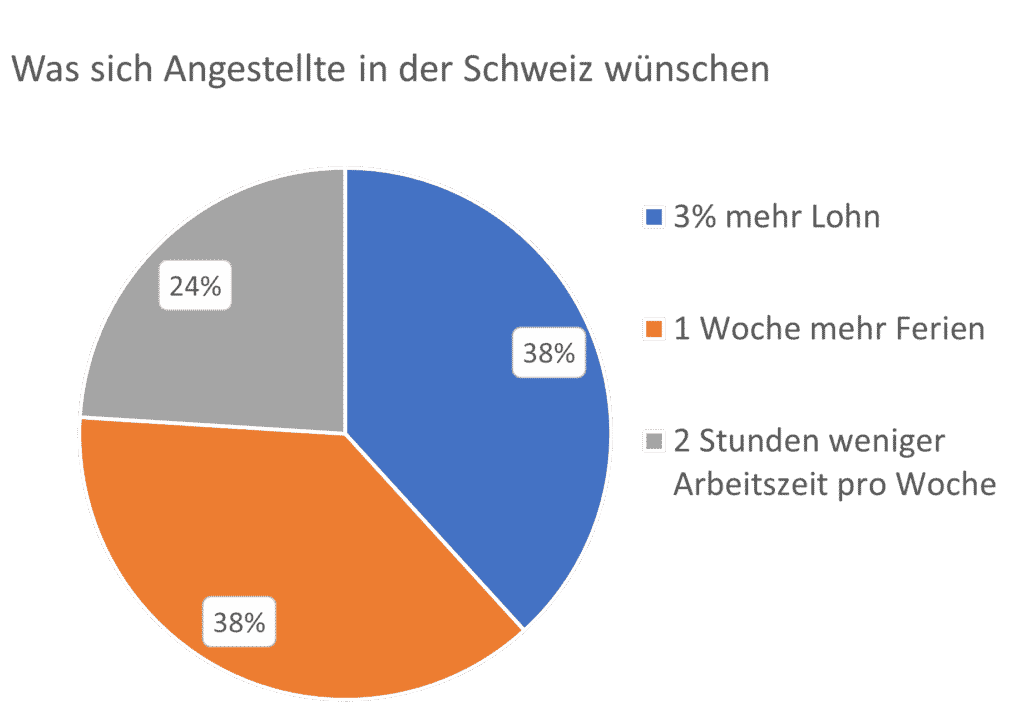
The chart clearly shows that roughly the same proportion of employees surveyed would like "More pay" or "More vacation". A shorter working week is preferred by just under a quarter of respondents. This underlines the great importance of vacations for the Swiss population.
The middle years are more about money
It gets interesting when you break down the answers by age.

Among young employees and employees aged 50 and over, the desire for more vacations dominates. In the "build-up phase" (starting a family, career), the focus is clearly more on salary, which makes perfect sense.
No clear trend by income bracket
There is no clear trend in terms of income. Only when the results are analyzed by gender do clear trends emerge.
- Reduced weekly working hours are not particularly popular with either women or men. The exception is women with a medium income of CHF 4,000-8,000. Of these, a full 37% would be most likely to opt for reduced weekly working hours.
- It is striking that almost half of women with a higher income of between 8,000 and 12,000 would prefer an additional week's vacation. Among men in this income bracket, the desire for more income or vacation is balanced at 39% each.
- Among women with a high income of more than 12,000, more respondents (42%) would like an extra week's vacation than more pay (38%). Among men in this income category, the desire for an additional week's vacation or a higher salary is again balanced at 38% each. On the other hand, noticeably more of the very high-earning men would prefer a reduced working week.
- In general, it can be said that more men tend to prefer a higher salary and a larger proportion of women prefer an additional week of vacation. Except in the lowest income bracket, where a higher salary is a priority for both genders.
- Other interesting correlations exist between the type of housing (money requirement), family composition (time requirement) and also the function in the company. For example, the importance of "more pay" increases with rising salary for people in management positions. For people without a managerial function, on the other hand, the desire for "more vacations" dominates as their salary increases.
Diverse wishes and requirements
Employees' wishes are varied and depend on different factors. However, it has become clear that an additional week's vacation is very important, especially for young employees. Flexible working models - both in terms of time and location - are therefore becoming increasingly important.
It is therefore very important for managers to be in constant dialog with each individual employee. With its pulse survey, ValueQuest offers an excellent tool for institutionalizing this dialogue and obtaining transparent results. With our pulse survey, employees' opinions can be collected quickly and easily. For example, you can obtain a picture of the mood across the entire organization or specific statements at individual team level. In this way, the organization keeps its finger on the pulse of its employees and always has an eye on what really matters to them.
Article published on July 25, 2022
About Heidi Blanken

Heidi Blanken is an expert and advisor at ValueQuest with a focus on evaluation and methodological consulting. She studied psychology with a focus on methodology as well as economics and labor law at the University of Zurich and graduated with a lic. phil. I degree.
Inspired? Then share this post via your favorite platform.
Other articles that might interest you ...

AI in the Swiss Insurance Market: What Insurers Can Learn from the Results
October 1, 2026
Reading time: 4 min
Artificial intelligence is not universally accepted in the Swiss insurance market. As a study by ValueQuest shows, customers’ openness to AI depends heavily on how it is used.

AI in the Swiss Insurance Market: Between Acceptance and Skepticism
September 28, 2026
Reading time: 5 min
For many Swiss people, artificial intelligence has become an integral part of everyday life. However, the situation is different when it comes to insurance companies.
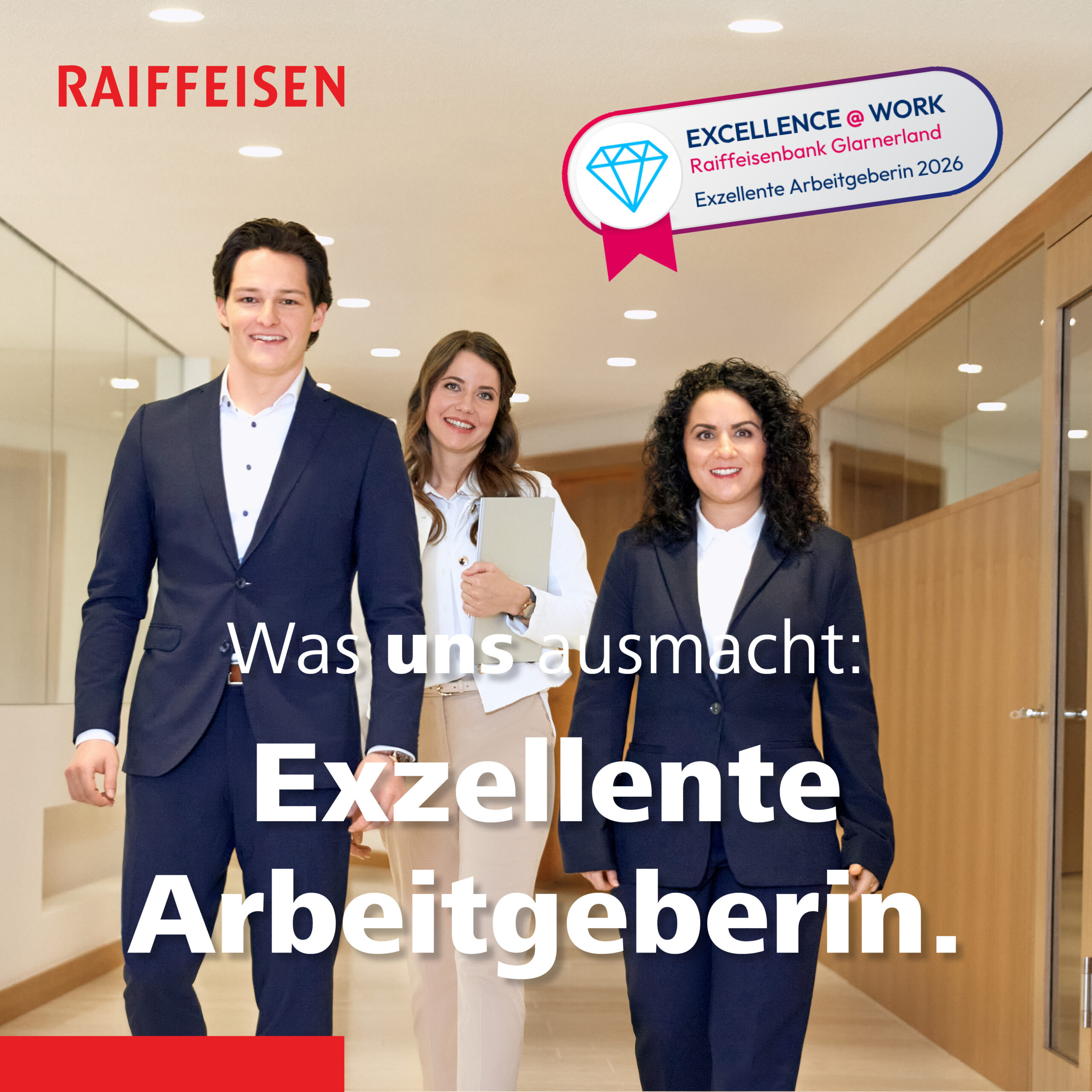
Top Employer: Raiffeisenbank Glarnerland Impresses with Strong Leadership
September 21, 2026
Reading time: 2 min
ValueQuest recently had the honor of presenting the “Excellence@Work Award” to Raiffeisenbank Glarnerland. We extend our heartfelt congratulations.
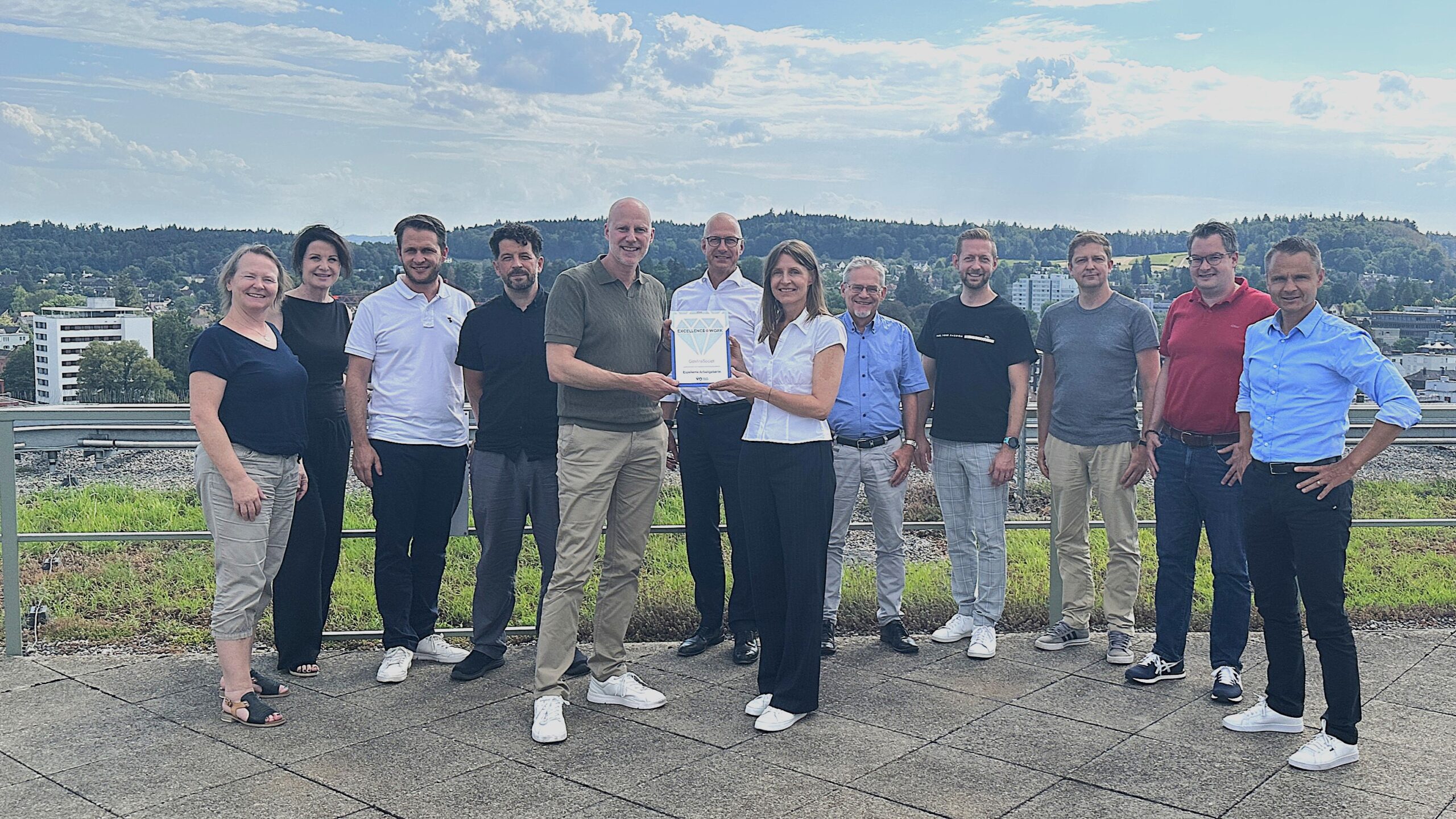
Top Swiss Employers: GastroSocial
September 9, 2026
Reading time: 3 min
GastroSocial has received the 2026 Excellence@Work Award from ValueQuest. With a response rate of 96 percent, a motivation score of 84, and 87 percent of employees serving as brand ambassadors, the company demonstrates a strong employer culture.

Employee Survey: Raiffeisenbank Möhlin Achieves Excellent Results
August 31, 2026
Reading time: 3 min
Raiffeisenbank Möhlin is one of Switzerland's top employers and is receiving our Excellence@Work Award in recognition of this achievement. Congratulations!

Employee Surveys in Switzerland: Find Providers & Tools
August 30, 2026
Reading time: 6 min
Employee Survey in Switzerland: How Do You Find the Right Employee Survey Provider? What Really Matters When It Comes to Anonymity, Tools, Questionnaires, and Analysis.

360-Degree Feedback Questionnaire: Sample, Template, and Sample Questions
August 21, 2026
Reading time: 7 min
Table of Contents A 360-degree feedback process is only as good as its questionnaire. The questionnaire is at the heart of the entire process. It determines whether...
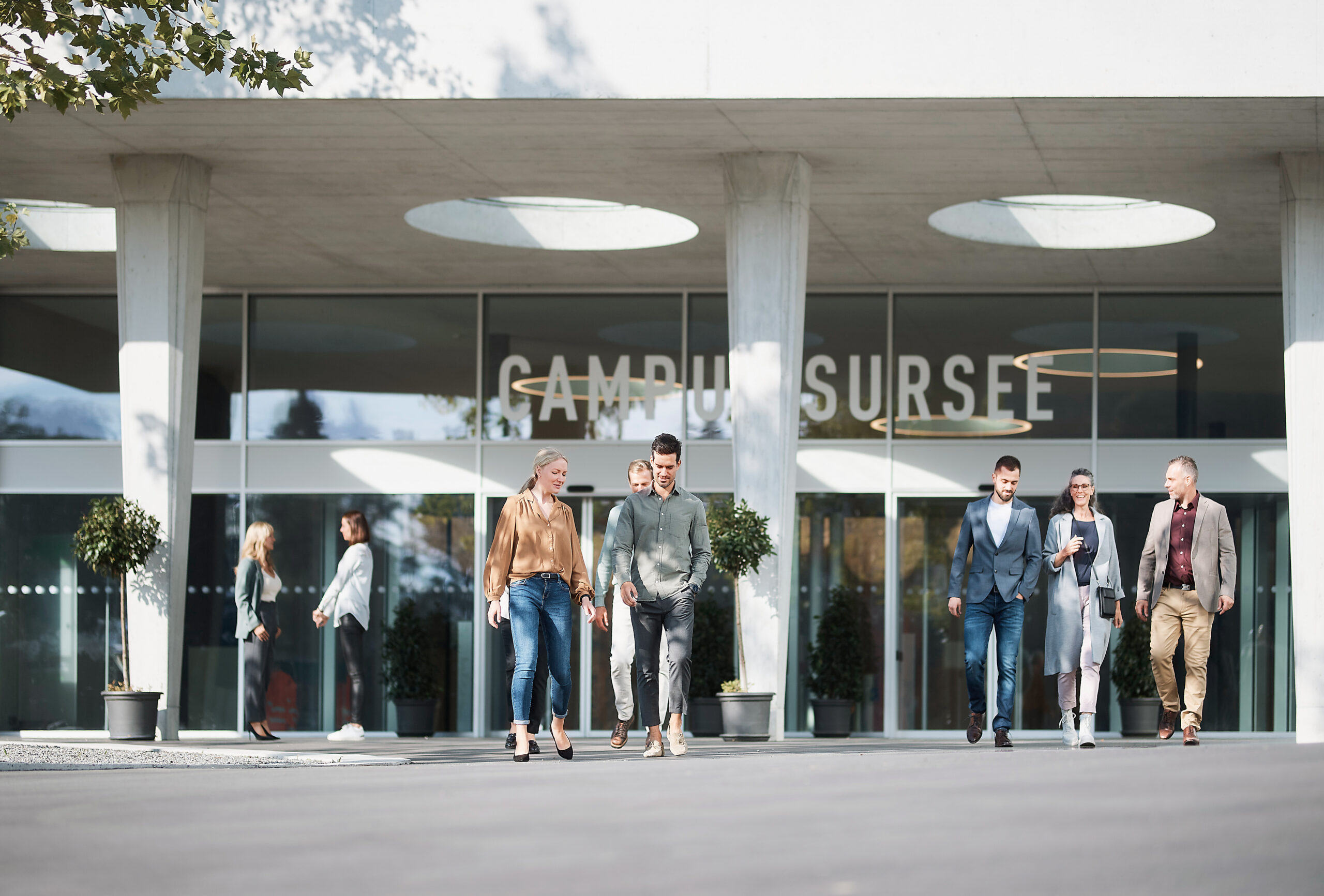
Employee Survey: The CAMPUS SURSEE Foundation Is Among Switzerland's Best Employers
August 5, 2026
Reading time: 2 min
ValueQuest honors particularly attractive employers in Switzerland with the Excellence@Work Award. We recently had the pleasure of presenting the award to the CAMPUS SURSEE Foundation.
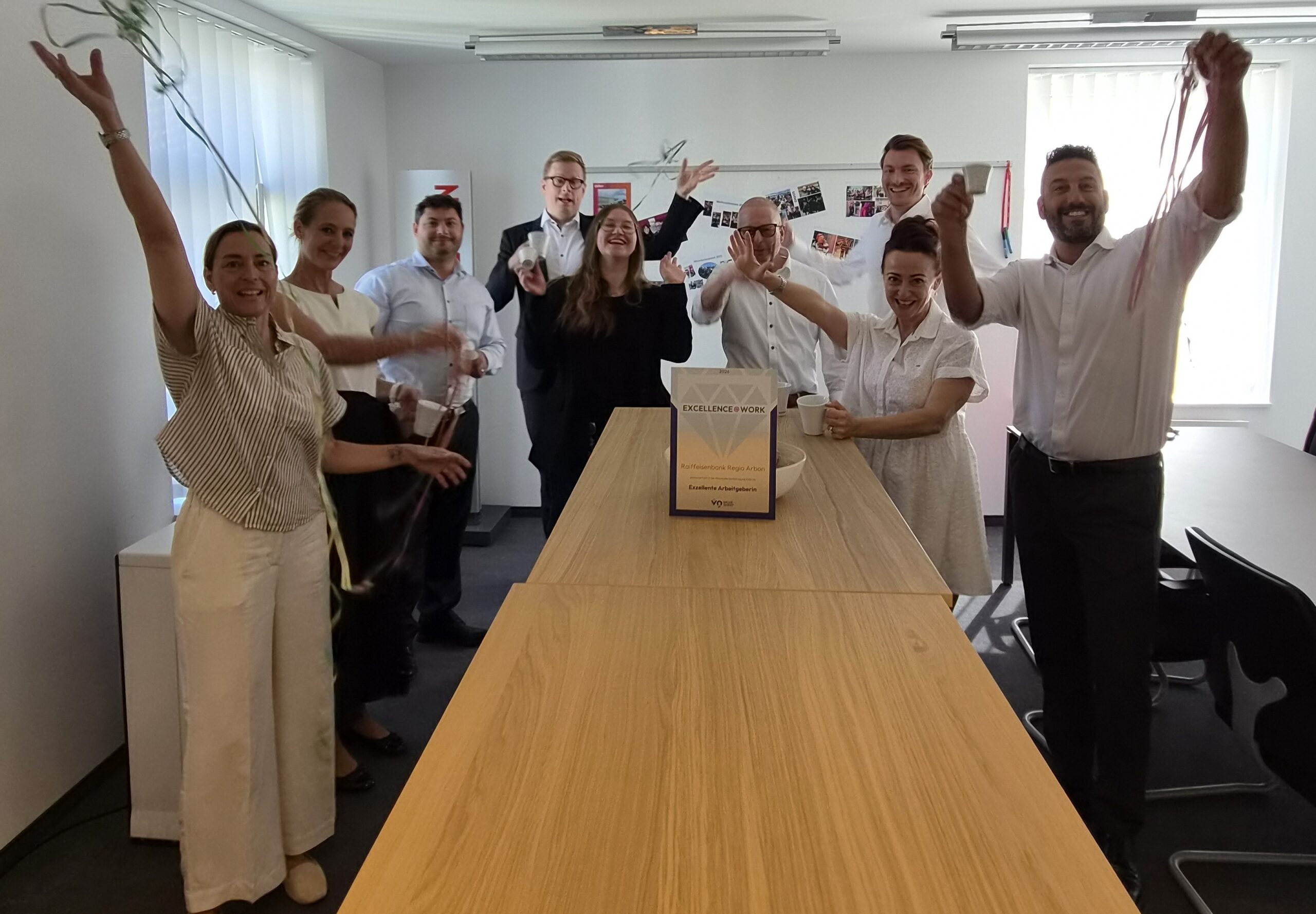
Raiffeisenbank Regio Arbon, a Top Employer: Personal Responsibility as Part of a Strong Corporate Culture
July 7, 2026
Reading time: 2 min
ValueQuest honors particularly attractive employers in Switzerland with the Excellence@Work Award. We recently had the pleasure of presenting the award to Raiffeisenbank Regio Arbon.