Empowerment is more than just a buzzword - it is a decisive factor in a company's success. It promotes independent action and innovative thinking among employees. But how can companies implement empowerment effectively and avoid typical mistakes? The key lies in a holistic approach that takes into account both the structural conditions and the psychological needs of employees. Only in this way can empowerment really work and lead to a motivated, productive and committed workforce.
To ensure that empowerment is actually anchored in the company and achieves the desired results, it is important to regularly review the current status of empowerment. An effective method for this is to conduct employee surveys that specifically target the level of empowerment. Scaled measuring instruments can be used to record and increase both the structural and psychological empowerment of employees.
One of the best-known scales for structural empowerment is the Conditions of Work Effectiveness Questionnaire-II (CWEQ-II; Kanter, 1977; Laschinger, 1996). This scale measures structural empowerment in work environments using the following dimensions:
- Access to opportunities; example item: "I have many opportunities to learn new skills and develop myself further."
- Access to information; example item: "I receive all the information I need to do my job effectively."
- Access to support; example item: "I get the support I need to do my job well."
- Access to resources; example item: "I have access to the resources I need for my work."
In addition to structural empowerment, you should ideally also measure the psychological empowerment of employees in the same survey. The 12 questions from Spreitzer (1995) are a tried and tested measuring instrument. It reflects the above-mentioned dimensions of psychological empowerment: competence, meaningfulness, self-determination and influence. Example items for this are:
- Competence; example item: "I have mastered the skills required for my job."
- Significance; example item: "My work is of personal importance to me."
- Self-determination; example item: "I have a lot of freedom of choice in my work."
- Influence; example item: "I have considerable influence on decisions in my area of work."
Avoid the most important stumbling blocks
- Equate empowerment with freedom of choice
Therefore, familiarize yourself with the four dimensions of structural empowerment and check to what extent these dimensions are already present in your company. You can use a structured questionnaire to find out whether they are already in place; this will include questions on both structural empowerment and psychological empowerment. Empowerment only works if all four dimensions are implemented in the company. - Underestimating resistance to change
Change fails due to employee resistance. Many employees are not prepared to take on responsibility because they have developed a consumerist attitude to work over the years. Promote a culture of active engagement and provide your employees with intensive support during the transition. - Neglect middle management and executives
Be aware that there may be resistance from managers who feel threatened by the loss of control. This resistance often manifests itself in the form of micromanagement, withholding information or passivity towards change initiatives. Prepare your managers for their new role as enablers and mentors through targeted training and coaching. Show them the long-term benefits of empowerment to gain their support. - Not communicating vision and values
Formulate a clear and inspiring corporate vision and unambiguous values. A clear vision describes where the company is heading in the next five to ten years and should be ambitious but achievable. Clear values define the fundamental beliefs and principles that guide the company's actions. Make these vision and values known through regular communication in meetings, newsletters and on the intranet. Organize workshops and events to actively involve employees and ensure that they understand and live the vision and values. - Disregarding the needs of employees
Empowerment is not always synonymous with New Work. New Work places people and their needs at the center of economic activity. If employees do not want to be empowered, empowerment can even contradict the New Work mentality. New Work means that the needs of employees come first. Empowerment is only part of New Work if employees really want it and have a need for it.
This article was published on September 26, 2024 in the HR magazine Penso and is the last article in a four-part series.
Article published on October 15, 2024
About Dr. Kathrin Neumüller

Dr. oec. HSG Kathrin Neumüller is Co-Managing Director at ValueQuest and an expert in employee inspiration and empowerment. She also teaches strategic management in the MBA program at the ZHAW. She holds a doctorate from the University of St. Gallen (HSG) and studied at the University of Cambridge. Learn more about Kathrin
Inspired? Then share this post via your favorite platform.
Other articles that might interest you ...

AI in the Swiss Insurance Market: What Insurers Can Learn from the Results
October 1, 2026
Reading time: 4 min
Artificial intelligence is not universally accepted in the Swiss insurance market. As a study by ValueQuest shows, customers’ openness to AI depends heavily on how it is used.

AI in the Swiss Insurance Market: Between Acceptance and Skepticism
September 28, 2026
Reading time: 5 min
For many Swiss people, artificial intelligence has become an integral part of everyday life. However, the situation is different when it comes to insurance companies.

Top Employer: Raiffeisenbank Glarnerland Impresses with Strong Leadership
September 21, 2026
Reading time: 2 min
ValueQuest recently had the honor of presenting the “Excellence@Work Award” to Raiffeisenbank Glarnerland. We extend our heartfelt congratulations.
Top Swiss Employers: GastroSocial
September 9, 2026
Reading time: 3 min
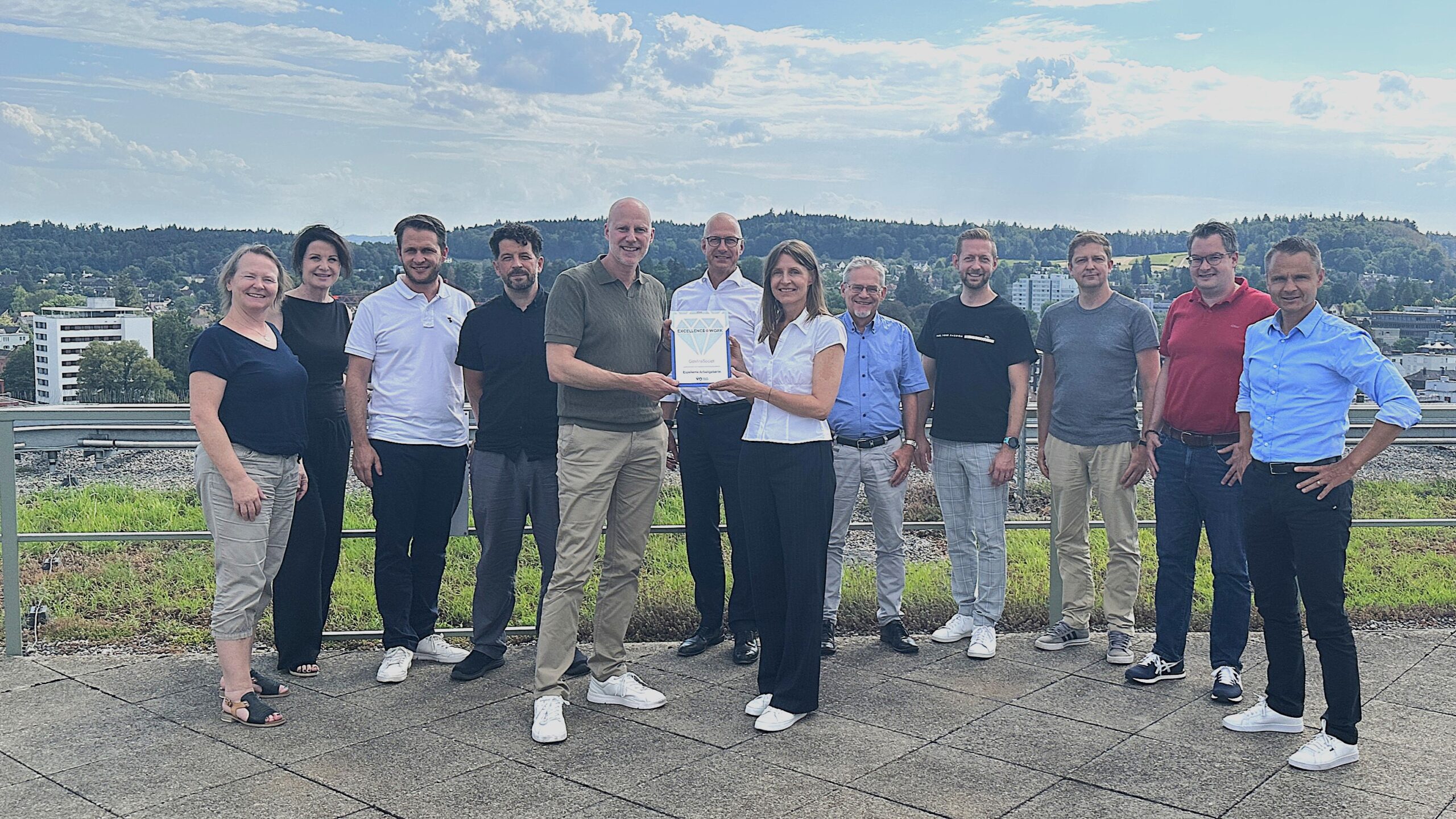
GastroSocial has received the 2026 Excellence@Work Award from ValueQuest. With a response rate of 96 percent, a motivation score of 84, and 87 percent of employees serving as brand ambassadors, the company demonstrates a strong employer culture.

Employee Survey: Raiffeisenbank Möhlin Achieves Excellent Results
August 31, 2026
Reading time: 3 min
Raiffeisenbank Möhlin is one of Switzerland's top employers and is receiving our Excellence@Work Award in recognition of this achievement. Congratulations!

Employee Surveys in Switzerland: Find Providers & Tools
August 30, 2026
Reading time: 6 min
Employee Survey in Switzerland: How Do You Find the Right Employee Survey Provider? What Really Matters When It Comes to Anonymity, Tools, Questionnaires, and Analysis.

360-Degree Feedback Questionnaire: Sample, Template, and Sample Questions
August 21, 2026
Reading time: 7 min
Table of Contents A 360-degree feedback process is only as good as its questionnaire. The questionnaire is at the heart of the entire process. It determines whether...

Employee Survey: The CAMPUS SURSEE Foundation Is Among Switzerland's Best Employers
August 5, 2026
Reading time: 2 min
ValueQuest honors particularly attractive employers in Switzerland with the Excellence@Work Award. We recently had the pleasure of presenting the award to the CAMPUS SURSEE Foundation.
Raiffeisenbank Regio Arbon, a Top Employer: Personal Responsibility as Part of a Strong Corporate Culture
July 7, 2026
Reading time: 2 min
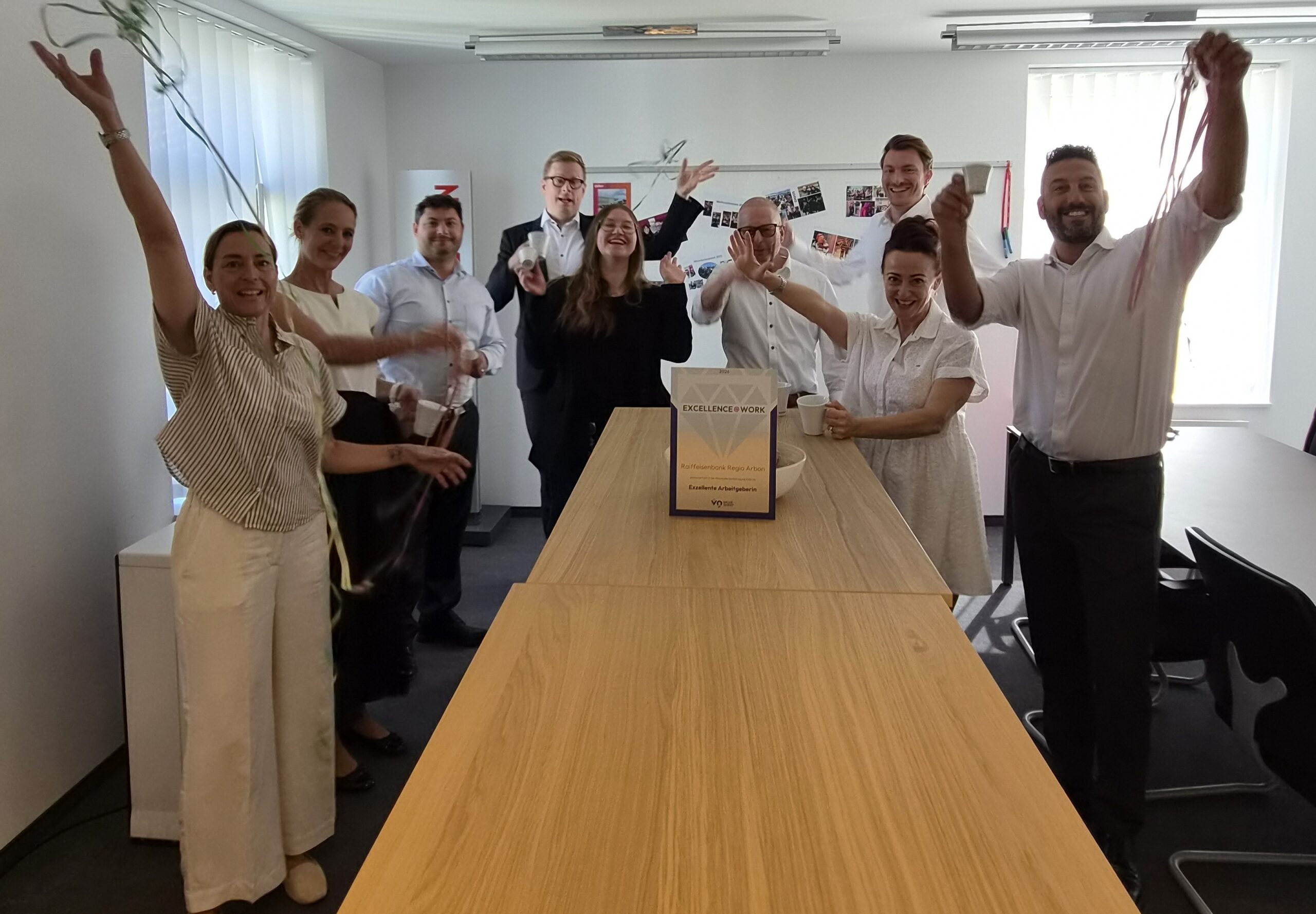
ValueQuest honors particularly attractive employers in Switzerland with the Excellence@Work Award. We recently had the pleasure of presenting the award to Raiffeisenbank Regio Arbon.