Table of contents
- Demographic change meets recruitment reality
- The shortage of skilled workers is not leading to the recruitment of the 55+ generation
- The big "Expectation Gap": A misunderstanding between the generations
- Due to the shortage of skilled workers, older employees are rarely hired
- Time to rethink the labor market
Demographic change meets recruitment reality
The demographic trend is clear: more and more people are remaining fit, motivated and productive beyond the normal retirement age. Nevertheless, many companies are reluctant to face up to this reality. Age-friendly HR policies are rarely seen as a strategic response to the shortage of skilled workers.
On behalf of the Swiss life insurance group Swiss Life, the market and opinion research institute ValueQuest conducted an online survey of 1,054 employers in German-speaking and French-speaking Switzerland in spring 2024. The results show a clear expectation gap between intention and reality.
Methodology of the study commissioned by Swiss Life
The representative study was conducted in spring 2024 by the market research institute ValueQuest on behalf of Swiss Life in German-speaking and French-speaking Switzerland. A total of 1,054 decision-makers (members of management, managing directors and HR managers) from companies with at least four employees were surveyed online. Data from the Swiss Labor Force Survey (SLFS) of the Federal Statistical Office was also used for in-depth analyses.
The big "Expectation Gap": A misunderstanding between the generations
One of the most exciting findings of the study is the so-called "expectation gap" - a massive misjudgement of mutual expectations. Around 70% of employers are of the opinion that the willingness of employees to work beyond the reference age is rather low. They therefore assume that most employees are looking forward to retirement. Only 29% of the Swiss employers surveyed believe that most employees could work well until 66 or 67. At the same time, only 23 percent clearly reject this statement.
There is a clear perception gap here: Companies in Switzerland often assume that older employees no longer want to work. However, employee surveys show the opposite. Many over 55-year-olds would be quite prepared to stay in employment for longer - provided the working conditions and workload are right.
However, if you ask those affected themselves, a completely different picture emerges, which is reminiscent of a Motivation Arbeitnehmer study. Many older employees would be perfectly willing to stay in work longer, but often under adapted conditions such as a reduced workload of 70 percent. However, they do not feel sufficiently valued or encouraged by their employers. Employees' needs for flexibility and recognition are clearly not sufficiently recognized.
The result is a vicious circle: companies do not encourage employees to continue working because they believe there is no demand, and employees do not signal their willingness to do so because they are not interested.
Due to the shortage of skilled workers , older employees are rarely hired
Although about half of all companies report difficulties in recruiting skilled workers, the most obvious solution is rarely utilized. Only 13% of the companies surveyed actively encourage working beyond retirement age. This is particularly paradoxical when one considers that 22% explicitly cite the hiring of older employees as a measure to meet their demand for skilled workers. There is considerable untapped potential here, as around one-fifth of Switzerland’s unused labor potential lies in the 55-to-70 age group.
Time to rethink the labor market
The Swiss Life study makes it unmistakably clear: in view of demographic change and the ongoing shortage of skilled workers, the Swiss labor market can no longer afford to do without the experience, loyalty and expertise of the 55+ generation. The reluctance of older employees to change jobs is not only due to a lack of will, but also to a lack of signals from the labor market.
It takes more than just declarations of intent. What is needed is a profound rethink of corporate culture. Companies need to overcome outdated images of age and proactively create a culture of appreciation for all generations. This includes flexible working models, targeted further training and recruitment that views experience as a valuable asset rather than a cost factor. This is the only way to unlock untapped potential and effectively combat the shortage of skilled workers.
Article published on November 4, 2025
About Bruno Catellani
Inspired? Then share this post via your favorite platform.
Other articles that might interest you ...

AI in the Swiss Insurance Market: What Insurers Can Learn from the Results
October 1, 2026
Reading time: 4 min
Artificial intelligence is not universally accepted in the Swiss insurance market. As a study by ValueQuest shows, customers’ openness to AI depends heavily on how it is used.

AI in the Swiss Insurance Market: Between Acceptance and Skepticism
September 28, 2026
Reading time: 5 min
For many Swiss people, artificial intelligence has become an integral part of everyday life. However, the situation is different when it comes to insurance companies.
Top Employer: Raiffeisenbank Glarnerland Impresses with Strong Leadership
September 21, 2026
Reading time: 2 min
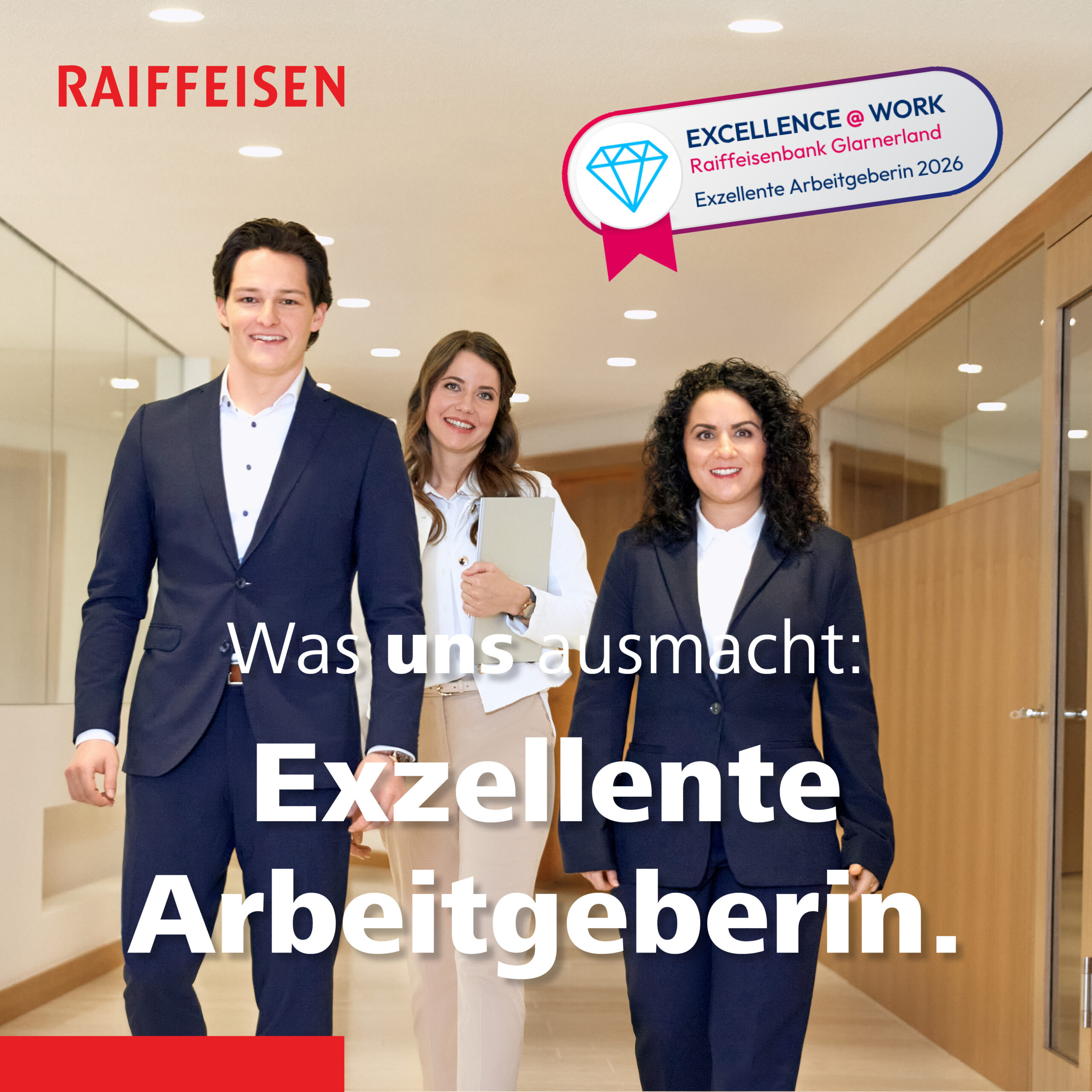
ValueQuest recently had the honor of presenting the “Excellence@Work Award” to Raiffeisenbank Glarnerland. We extend our heartfelt congratulations.
Top Swiss Employers: GastroSocial
September 9, 2026
Reading time: 3 min
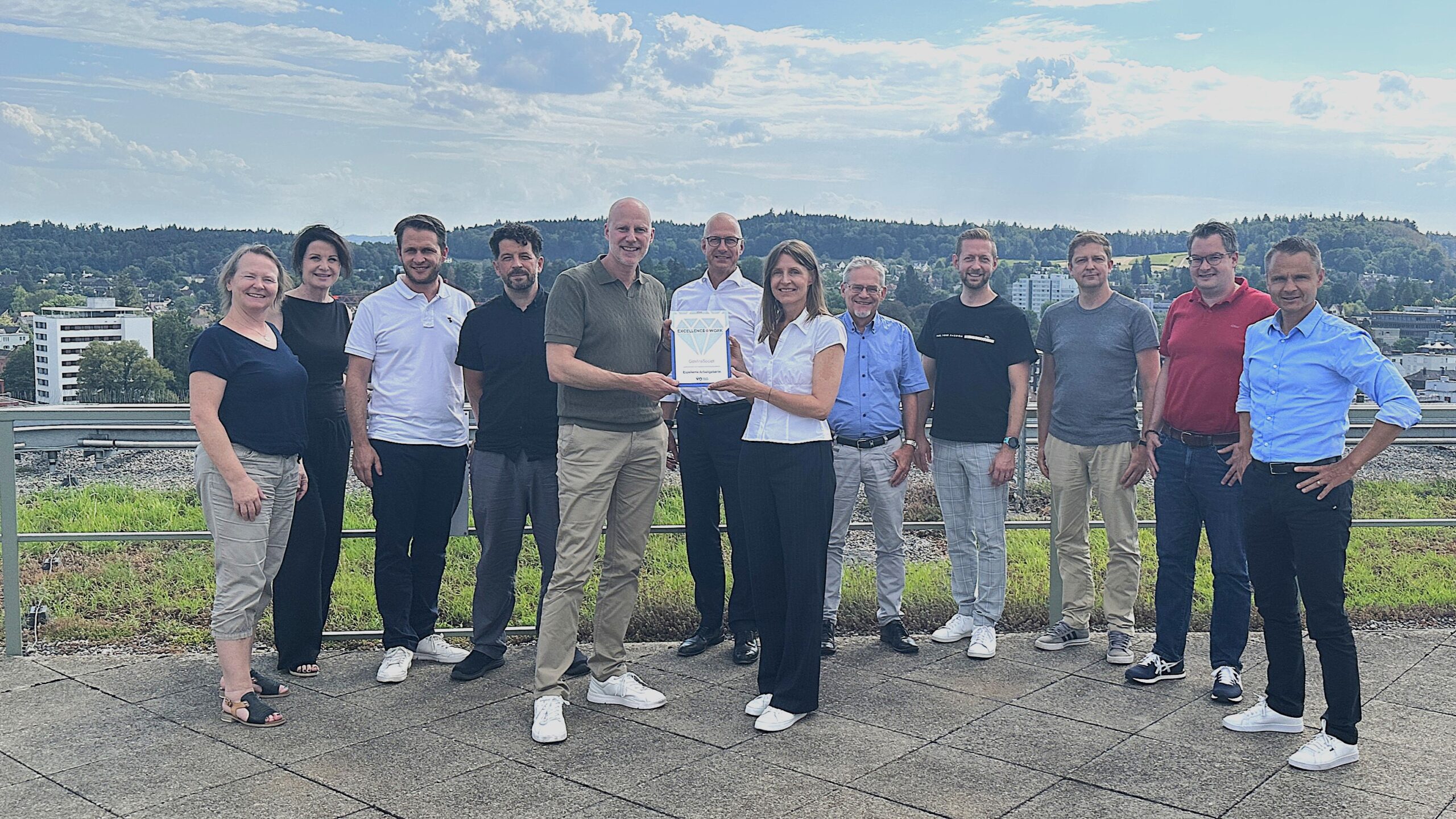
GastroSocial has received the 2026 Excellence@Work Award from ValueQuest. With a response rate of 96 percent, a motivation score of 84, and 87 percent of employees serving as brand ambassadors, the company demonstrates a strong employer culture.

Employee Survey: Raiffeisenbank Möhlin Achieves Excellent Results
August 31, 2026
Reading time: 3 min
Raiffeisenbank Möhlin is one of Switzerland's top employers and is receiving our Excellence@Work Award in recognition of this achievement. Congratulations!

Employee Surveys in Switzerland: Find Providers & Tools
August 30, 2026
Reading time: 6 min
Employee Survey in Switzerland: How Do You Find the Right Employee Survey Provider? What Really Matters When It Comes to Anonymity, Tools, Questionnaires, and Analysis.

360-Degree Feedback Questionnaire: Sample, Template, and Sample Questions
August 21, 2026
Reading time: 7 min
Table of Contents A 360-degree feedback process is only as good as its questionnaire. The questionnaire is at the heart of the entire process. It determines whether...
Employee Survey: The CAMPUS SURSEE Foundation Is Among Switzerland's Best Employers
August 5, 2026
Reading time: 2 min
ValueQuest honors particularly attractive employers in Switzerland with the Excellence@Work Award. We recently had the pleasure of presenting the award to the CAMPUS SURSEE Foundation.
Raiffeisenbank Regio Arbon, a Top Employer: Personal Responsibility as Part of a Strong Corporate Culture
July 7, 2026
Reading time: 2 min
ValueQuest honors particularly attractive employers in Switzerland with the Excellence@Work Award. We recently had the pleasure of presenting the award to Raiffeisenbank Regio Arbon.