Would you like to understand how customers or employees think, feel and make decisions? In our article, we take a closer look at the two qualitative methods of personal interviews and focus groups. Qualitative market research methods are the right choice for gaining a deeper understanding of your target groups. They are suitable as a stand-alone method, but also as a supplement to quantitative methods.
Personal interviews
The aim of an in-depth interview is to determine the attitudes, motives and needs of the interviewees. In-depth interviews are usually conducted as individual interviews. The interviewer follows a guideline that defines certain topics for the interview. This structure makes the interviews comparable with each other.
Nevertheless, there must be a certain degree of flexibility in the interview so that the individual topics of the interviewees can be addressed. In this way, interesting aspects are explored in greater depth and you learn what really moves the interviewee. This openness to the individuality of the interviewee and the personal contact create space for new insights. A rigidly adhered-to list of questions would prevent this.
Focus groups
Focus groups are guided, moderated discussions with 6 to 10 carefully selected participants. Focus groups are particularly suitable if the survey is to benefit from group dynamics, e.g. to discuss different attitudes and experiences of consumers.
The US sociologist Robert K. Merton is considered the inventor of focus groups. Historically, they were not conceived as a qualitative technique in their own right, but rather as an additional method to elicit details that might otherwise be overlooked.
In our opinion, there are more stumbling blocks with focus groups than with personal interviews:
Influence and dominance of individual participants
There is a risk that discussions will digress into irrelevant topics and suffer from the dominance of some members of the focus group. Participants in focus groups do NOT usually express themselves in the same way as in an individual face-to-face interview. What was said before, how it was said and who said it influences the participants.
This is especially true when there are dominant individuals in the group. Kidd and Parshall (2000) put it very nicely: Focus groups "produce a far less homogeneous texture of discourse than is found in individual interviews."
Challenges in moderation
The aim of a focus group is best achieved with a heterogeneous group that allows different points of view to be explored and discussed. With heterogeneity, however, comes the risk that there will be more knowledgeable participants than others. This requires strict moderation control.
In any case, the success of focus groups and interviews depends heavily on a well-structured process and the skills of the moderator/interviewer.
More information with personal interviews
The time available to the individual participants to deepen their thoughts is limited in focus groups. Focus groups usually last around 90-120 minutes and bring together an average of 8 to 10 people. If you exclude the moderation, this leaves between 8 and 15 minutes of speaking time per participant. This is very little compared to an individual interview, which ideally lasts around 30 to 45 minutes. It therefore quickly becomes clear which method generates more information.
The arguments speak for interviews
At ValueQuest, we prefer the method of individual interviews. With one exception: focus groups are the first choice if you want to understand the dynamics between the members of a social group. Imagine, for example, that you want to investigate the purchasing decisions in a family. These decisions are likely to be influenced by the children. It is therefore of great interest to have both parents and children in the same room.
We will be happy to advise you on 044/786 32 52. And if you want to read more about us, follow us on Linkedin.
Article published on April 21, 2022
About Heidi Blanken

Heidi Blanken is an expert and advisor at ValueQuest with a focus on evaluation and methodological consulting. She studied psychology with a focus on methodology as well as economics and labor law at the University of Zurich and graduated with a lic. phil. I degree.
Inspired? Then share this post via your favorite platform.
Other articles that might interest you ...

AI in the Swiss Insurance Market: What Insurers Can Learn from the Results
October 1, 2026
Reading time: 4 min
Artificial intelligence is not universally accepted in the Swiss insurance market. As a study by ValueQuest shows, customers’ openness to AI depends heavily on how it is used.

AI in the Swiss Insurance Market: Between Acceptance and Skepticism
September 28, 2026
Reading time: 5 min
For many Swiss people, artificial intelligence has become an integral part of everyday life. However, the situation is different when it comes to insurance companies.
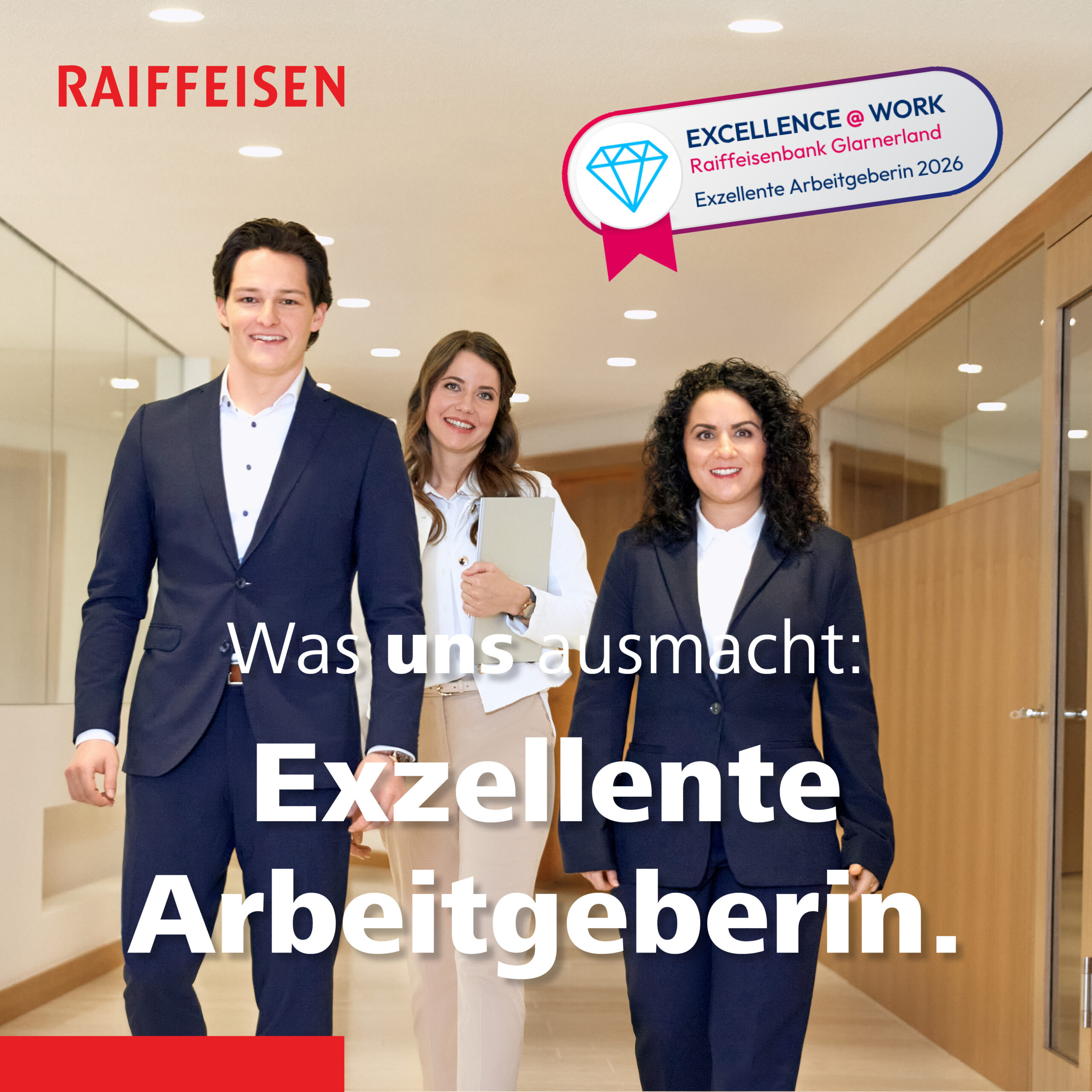
Top Employer: Raiffeisenbank Glarnerland Impresses with Strong Leadership
September 21, 2026
Reading time: 2 min
ValueQuest recently had the honor of presenting the “Excellence@Work Award” to Raiffeisenbank Glarnerland. We extend our heartfelt congratulations.
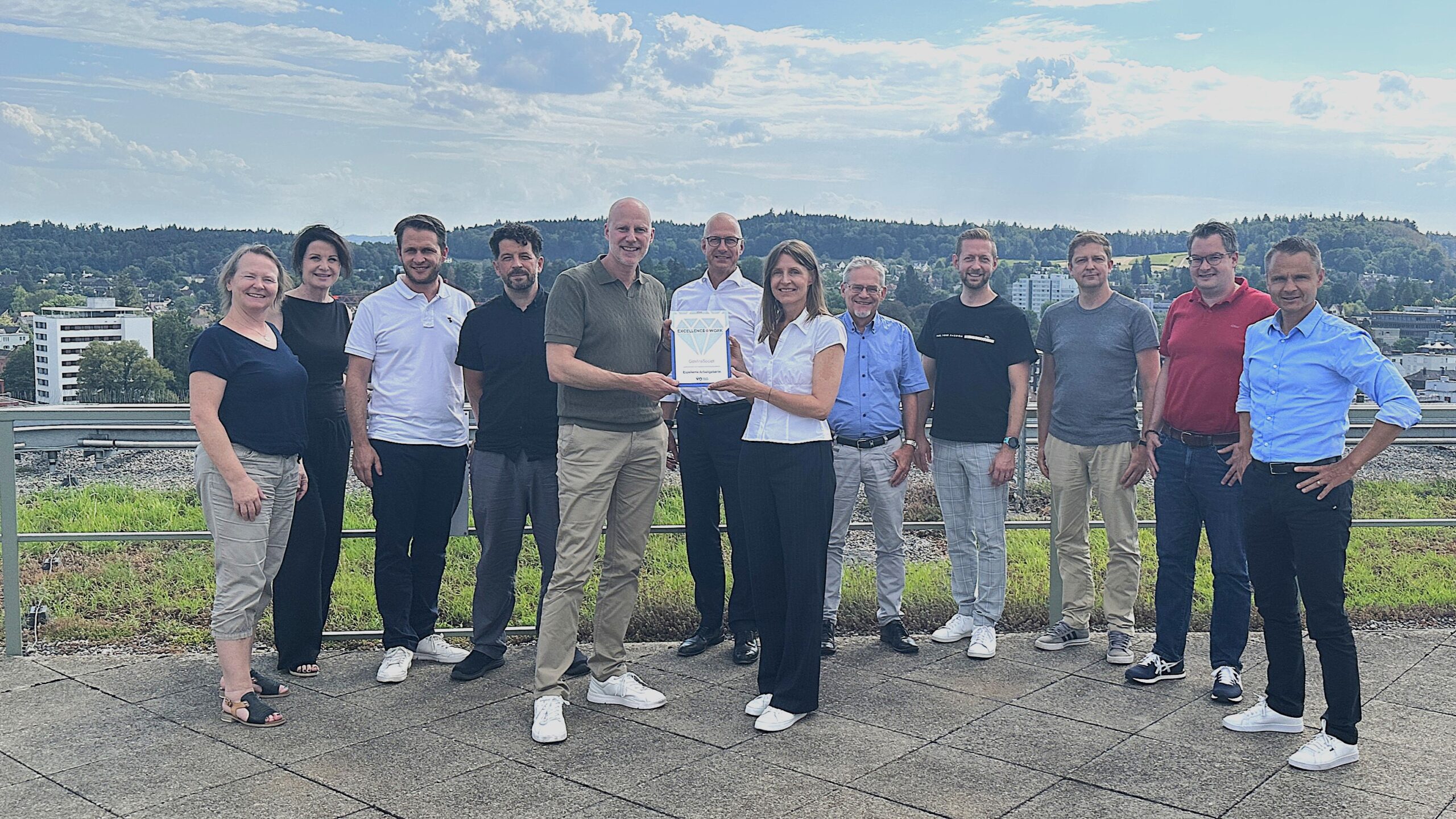
Top Swiss Employers: GastroSocial
September 9, 2026
Reading time: 3 min
GastroSocial has received the 2026 Excellence@Work Award from ValueQuest. With a response rate of 96 percent, a motivation score of 84, and 87 percent of employees serving as brand ambassadors, the company demonstrates a strong employer culture.

Employee Survey: Raiffeisenbank Möhlin Achieves Excellent Results
August 31, 2026
Reading time: 3 min
Raiffeisenbank Möhlin is one of Switzerland's top employers and is receiving our Excellence@Work Award in recognition of this achievement. Congratulations!

Employee Surveys in Switzerland: Find Providers & Tools
August 30, 2026
Reading time: 6 min
Employee Survey in Switzerland: How Do You Find the Right Employee Survey Provider? What Really Matters When It Comes to Anonymity, Tools, Questionnaires, and Analysis.

360-Degree Feedback Questionnaire: Sample, Template, and Sample Questions
August 21, 2026
Reading time: 7 min
Table of Contents A 360-degree feedback process is only as good as its questionnaire. The questionnaire is at the heart of the entire process. It determines whether...
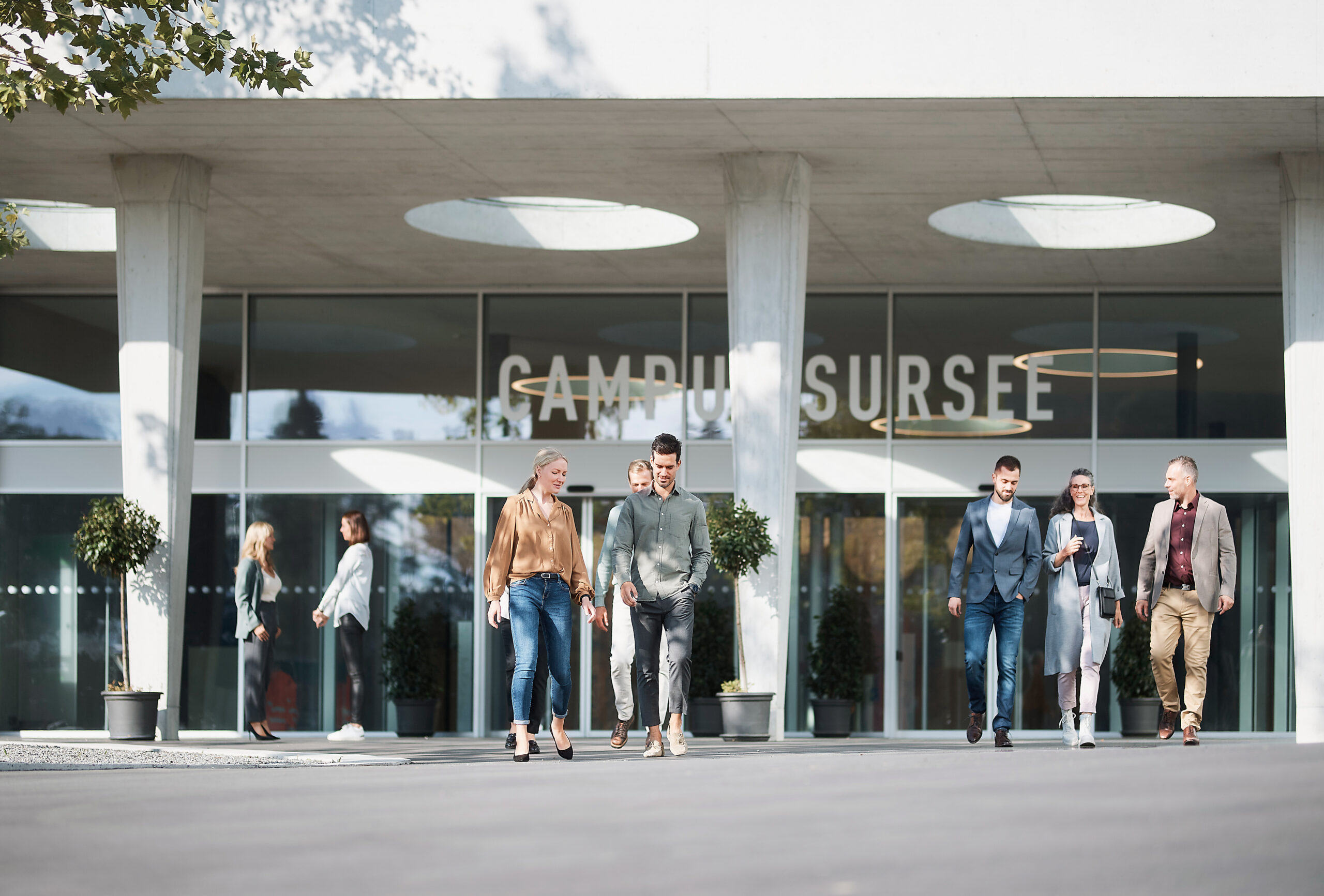
Employee Survey: The CAMPUS SURSEE Foundation Is Among Switzerland's Best Employers
August 5, 2026
Reading time: 2 min
ValueQuest honors particularly attractive employers in Switzerland with the Excellence@Work Award. We recently had the pleasure of presenting the award to the CAMPUS SURSEE Foundation.
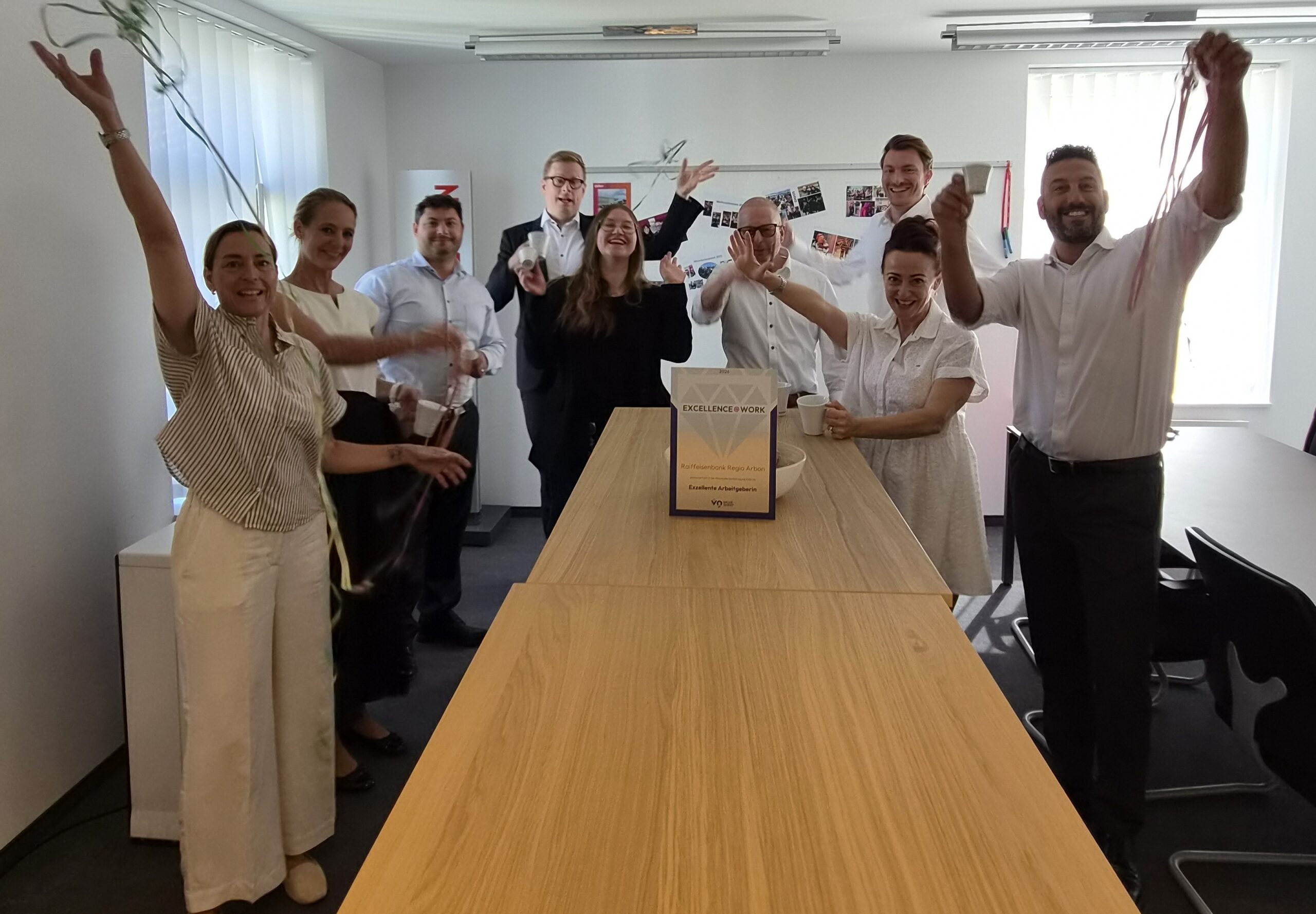
Raiffeisenbank Regio Arbon, a Top Employer: Personal Responsibility as Part of a Strong Corporate Culture
July 7, 2026
Reading time: 2 min
ValueQuest honors particularly attractive employers in Switzerland with the Excellence@Work Award. We recently had the pleasure of presenting the award to Raiffeisenbank Regio Arbon.