Table of contents
What Really Influences Acceptance
In the first part of this article, we showed how widespread artificial intelligence already is in everyday life, how much trust people place in artificial intelligence when it comes to insurance matters, and in which areas customers accept its use. It became clear that while there is a general openness to AI, this openness diminishes as AI gets closer to individual decisions, benefits, or the assessment of specific cases.
Now let’s take a closer look at the differences among customer groups. Age, income, and—above all—personal experience with AI influence how open people are to such applications. For insurers, therefore, the question is not so much whether they should use AI, but rather where, how, and among which target groups such use will be well-received.
Even experienced AI users set limits
While extensive experience with AI generally increases openness, it does not eliminate these barriers. Among those who never use AI, 65 percent do not accept any of the application areas surveyed. Among daily AI users, this percentage drops to 12 percent.
Nevertheless, they, too, make a clear distinction between different applications. For example, 45 percent of daily users accept the use of AI in customer service. When it comes to processing insurance claims, however, that figure drops to just 24 percent. Experience with AI thus fosters openness, but not unconditional acceptance.
Age and income make a difference
In addition to individual experiences with AI, there are also significant differences among various customer groups.
As people get older, both the use of and trust in AI decline. However, this does not mean that older customers are fundamentally opposed to AI. Among those over 60, for example, 40 percent accept AI for fraud detection. In customer service, on the other hand, that figure is only 23 percent.
There are also striking differences in terms of income. In households with a monthly income of more than CHF 12,000, 51 percent accept the use of AI for fraud detection and 39 percent for processing applications. In contrast, among households with a monthly income of up to CHF 4,000, 43 percent say they do not accept AI in any of the areas surveyed.
For initial pilot projects, AI-savvy target audiences can therefore be particularly interesting. However, anyone looking to scale up later should not make the mistake of assuming that this will apply to the entire market.

What does this mean for insurers?
Three key guidelines for the use of artificial intelligence can be derived from the results.
- Start where the benefits are immediately apparent
Fraud detection, customer service, and quote generation are currently the areas with the highest level of acceptance. These are precisely the areas where it makes sense to roll out initial applications and enable positive experiences with AI.
- Use AI as a co-pilot rather than as the sole decision-maker
For applications, recommendations, and similar uses, results should remain transparent. At the same time, it should be clear to customers where human oversight, correction, or confirmation is possible.
- Highlighting Human Responsibility in Sensitive Decisions
Customers tend to be particularly cautious in situations where AI evaluates individual cases, such as when reviewing insurance claims or in highly personalized applications. In these areas, it is likely particularly important to clearly demonstrate where human responsibility remains.
The key question for insurers is therefore not so much:
Where can we automate as much as possible?
Rather:
Where does AI create tangible value for customers without compromising trust and control?
That is likely where the most sensible starting point for a long-term, sustainable AI strategy lies.
About the Study
The ValueQuest study “AI in the Swiss Insurance Market” examines the use of artificial intelligence, trust in AI, and the acceptance of various applications in the insurance sector.
A total of 2,080 people between the ages of 18 and 67 in German-speaking and French-speaking Switzerland were surveyed in April and May 2026. The results are descriptive and highlight differences and patterns among various target groups. No causal relationships can be inferred from them.
The analysis was conducted as part of ValueQuest's Moment of Truth Tracking (MoTT).
Would you like to learn more about how Swiss insurance customers perceive AI and which areas of application offer particular potential? Contact us for more information about the study and Moment of Truth Tracking.

Post published on October 1, 2026
About Melanie Wollschläger

Melanie Wollschläger is a Senior Partner at ValueQuest. A sociology graduate (University of Leipzig), she has been assisting companies with employee surveys, customer feedback, and multi-client studies since 2010. She heads the Customer & Market division and oversees large-scale market studies.
Inspired? Then share this post via your favorite platform.
Other articles that might interest you ...

AI in the Swiss Insurance Market: What Insurers Can Learn from the Results
October 1, 2026
Reading time: 4 min
Artificial intelligence is not universally accepted in the Swiss insurance market. As a study by ValueQuest shows, customers’ openness to AI depends heavily on how it is used.

AI in the Swiss Insurance Market: Between Acceptance and Skepticism
September 28, 2026
Reading time: 5 min
For many Swiss people, artificial intelligence has become an integral part of everyday life. However, the situation is different when it comes to insurance companies.
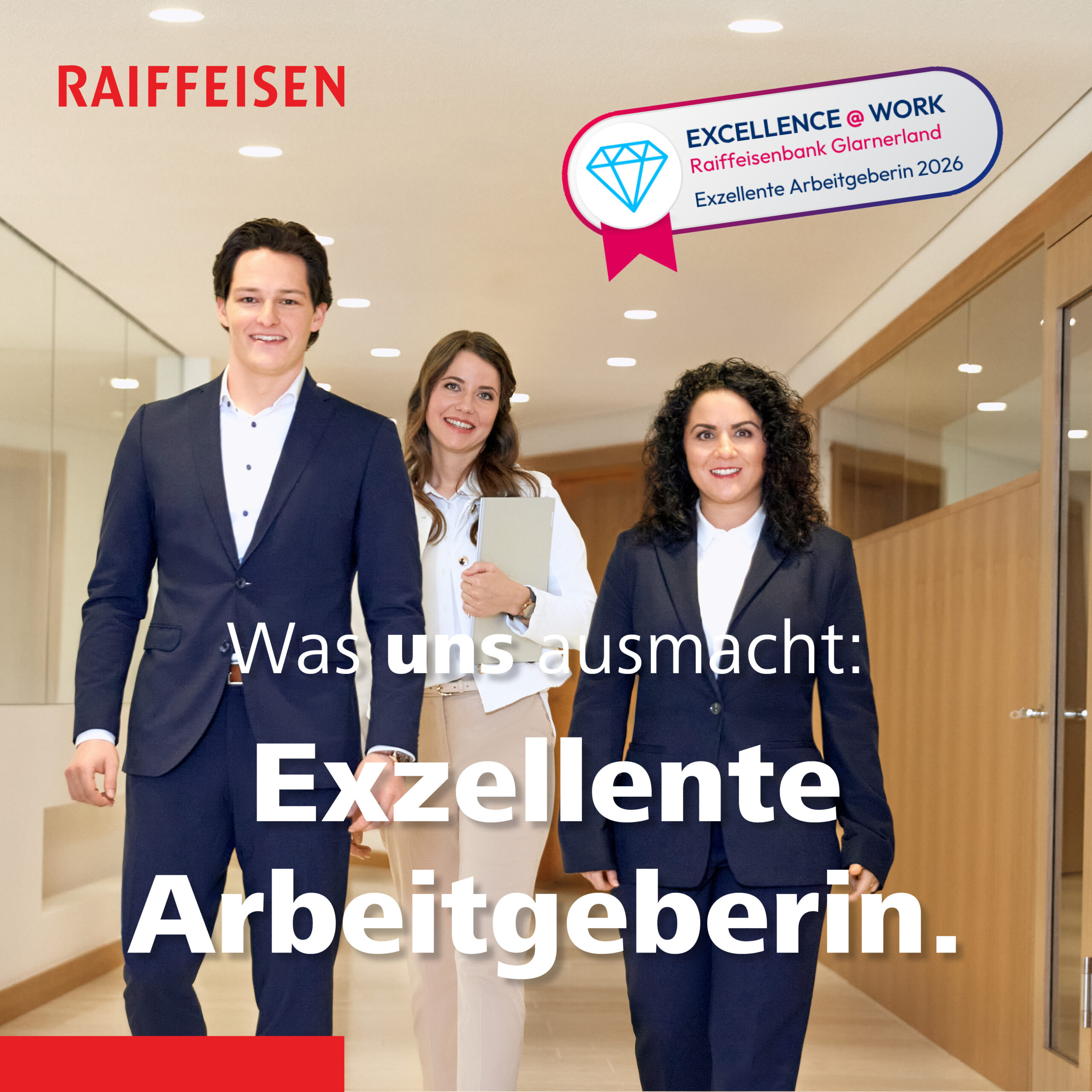
Top Employer: Raiffeisenbank Glarnerland Impresses with Strong Leadership
September 21, 2026
Reading time: 2 min
ValueQuest recently had the honor of presenting the “Excellence@Work Award” to Raiffeisenbank Glarnerland. We extend our heartfelt congratulations.
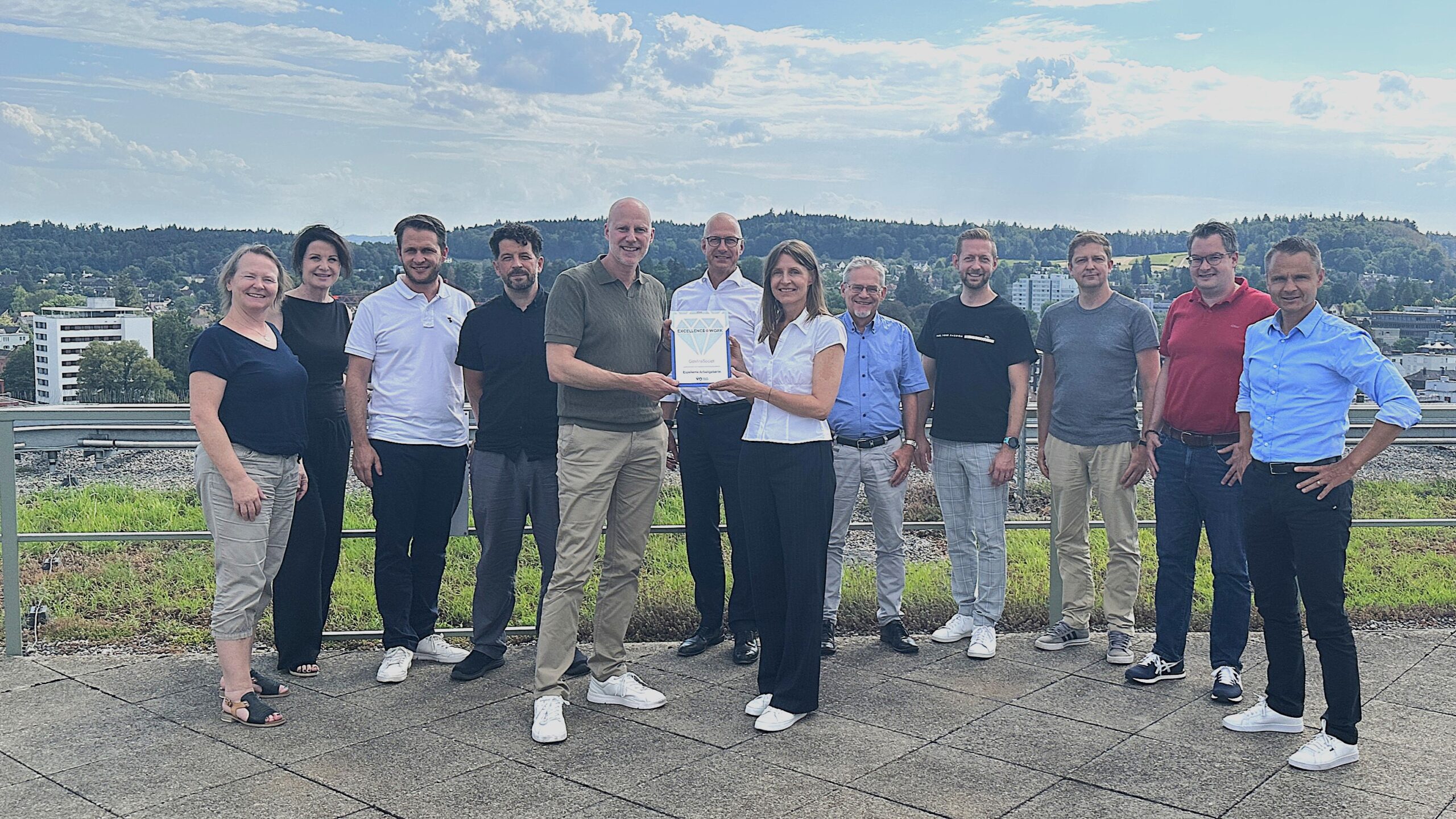
Top Swiss Employers: GastroSocial
September 9, 2026
Reading time: 3 min
GastroSocial has received the 2026 Excellence@Work Award from ValueQuest. With a response rate of 96 percent, a motivation score of 84, and 87 percent of employees serving as brand ambassadors, the company demonstrates a strong employer culture.

Employee Survey: Raiffeisenbank Möhlin Achieves Excellent Results
August 31, 2026
Reading time: 3 min
Raiffeisenbank Möhlin is one of Switzerland's top employers and is receiving our Excellence@Work Award in recognition of this achievement. Congratulations!

Employee Surveys in Switzerland: Find Providers & Tools
August 30, 2026
Reading time: 6 min
Employee Survey in Switzerland: How Do You Find the Right Employee Survey Provider? What Really Matters When It Comes to Anonymity, Tools, Questionnaires, and Analysis.

360-Degree Feedback Questionnaire: Sample, Template, and Sample Questions
August 21, 2026
Reading time: 7 min
Table of Contents A 360-degree feedback process is only as good as its questionnaire. The questionnaire is at the heart of the entire process. It determines whether...

Employee Survey: The CAMPUS SURSEE Foundation Is Among Switzerland's Best Employers
August 5, 2026
Reading time: 2 min
ValueQuest honors particularly attractive employers in Switzerland with the Excellence@Work Award. We recently had the pleasure of presenting the award to the CAMPUS SURSEE Foundation.
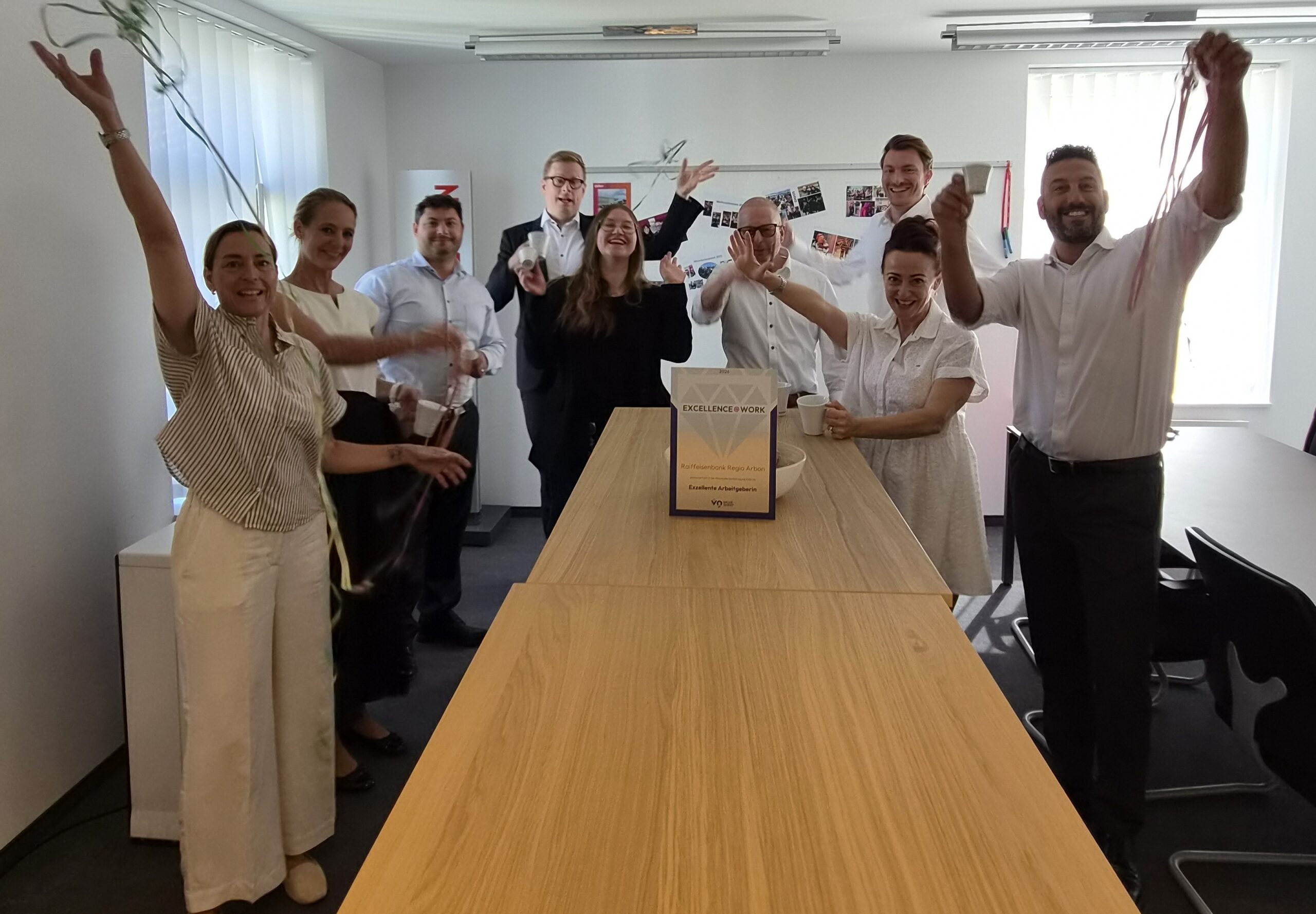
Raiffeisenbank Regio Arbon, a Top Employer: Personal Responsibility as Part of a Strong Corporate Culture
July 7, 2026
Reading time: 2 min
ValueQuest honors particularly attractive employers in Switzerland with the Excellence@Work Award. We recently had the pleasure of presenting the award to Raiffeisenbank Regio Arbon.