Why is human judgment important in the recruitment process even in times of advanced AI technologies? And how does artificial intelligence influence the role of talent managers? In her article for the trade journal personalSCHWEIZ, ValueQuest project manager Dr. Kathrin Neumüller discusses the possibilities and limitations of artificial intelligence in recruiting.
Artificial intelligence in HR management
The use of AI in the world of work is not new - especially since 2022 with ChatGPT as a prominent example - and has already been widely used in HR and talent management, which deals with the acquisition and development of talent. AI makes it possible to quickly make a shortlist from a large number of applications. AI systems that distinguish between different categories are referred to as discriminative AI.
Generative AI models offer new possibilities beyond traditional data analysis by generating content such as texts, images and other media formats. This opens up a wide range of potential applications, such as the generation of job advertisements or automated communication with applicants.
Tailored content and specific queries can be generated based on the profiles of potential candidates, which increases the efficiency of the recruitment process. In addition, employment contracts tailored to specific job requirements could even be generated, although legal aspects must be taken into account here. It is important that the use of AI is ethically responsible and complies with legal requirements.
The influence of artificial intelligence on HR management
The integration of AI into applicant tracking and e-recruiting systems is on the rise. A positive development is that not only large corporations but also SMEs are increasingly gaining access to advanced screening tools. Publicly available AI platforms such as ChatGPT offer the ability to assess candidates’ suitability by comparing job descriptions with resumes. This technology enables fast, objective, and data-driven pre-screening, which makes the recruitment process more efficient and reduces potential bias. A practical example is using ChatGPT for the initial evaluation of applications by analyzing resumes in the context of a job description and comparing the most suitable profiles in a table. Such applications highlight the potential of generative AI to efficiently process large volumes of applicants. It is important to ensure data protection and confidentiality and to familiarize oneself with the legal framework governing AI use before feeding personal data into the AI system.
Out of 1000 candidates, 5 become
The use of AI in talent management only makes sense if the underlying processes are already effective, value-adding, strategy- and legally compliant and non-discriminatory. AI, especially in its generative form, can increase efficiency through automation, but not necessarily improve the effectiveness of processes. A lack of alignment of HR processes with the corporate strategy can even lead to increased undesirable developments through the use of AI. A well-known example of the risks is the case of Amazon in 2014, where an AI-controlled application assistant systematically disadvantaged women and people with dark skin, thereby reinforcing existing discrimination. This shows that AI systems can reflect and reinforce existing prejudices (Groß 2023). Careful consideration of ethical, legal and cultural standards is therefore crucial when using AI in HR.
Generative AI is revolutionizing HR by automating routine tasks such as creating job ads, sorting CVs and composing responses to job interviews. This automation requires a shift in the role of talent managers - away from operational tasks and towards strategic tasks. It will become increasingly important to attract the "right" employees who have future-proof skills and ensure the company's strategic competitiveness in the long term.
Talent managers must therefore focus more than ever on the effectiveness (doing the right things) of their actions instead of focusing on efficiency (speeding things up).
The limits of artificial intelligence
The loss of human initial assessment through the use of generative AI can be problematic, especially when assessing candidate competencies that are difficult to quantify. For example, would you prefer a candidate who is willing and able to learn and who reflects your company's values but only matches your job profile 75% of the time? Or a candidate whose qualifications match the job profile but who reflects your company values far less? When it comes to assessing the match between personal values and company values or social and emotional skills, generative AI has (so far) reached its limits
It is also increasingly difficult to assess the authenticity of applicants and the authenticity of documents, as AI systems can only distinguish between genuine and manipulated applications to a limited extent. Which candidate may have manipulated her CV? Is a real person even applying for the advertised position? Artificial intelligence can only help to a limited extent.
A technological vicious cycle arises when job postings are generated by AI and applicants also rely on AI to draft their application materials. Applicants no longer tailor their documents to people but to algorithms, using specific keywords to “convince” the systems. As a result, relevant keywords are strategically placed for the technological counterpart to increase the chances of being invited to an interview.
Conclusion
Although companies that use AI in HR management benefit from efficiency gains, they also face legal challenges and risks. There is a risk that AI systems may systematically disadvantage certain groups of applicants based on specific characteristics, which can sometimes happen unintentionally due to bias embedded in algorithms. Although software developers strive to avoid discrimination through algorithms, a complete elimination of such patterns is not guaranteed.
HR professionals must be aware of this issue and therefore carry out regular checks of AI systems and strictly adhere to the data protection regulations set out in the Data Protection Act, which has been in force since September 2023.
Sources:
Groß, M. (2023). Artificial intelligence in HR management - Gold rush in the field of tension between optimistic software providers and skeptical HR managers. In AI for the good (pp. 203-239). Springer International Publishing. http://dx.doi.org/10.1007/978-3-031-22777-6_10
Postman, N. (2005). Amusing ourselves to death: Public discourse in the age of show business. Penguin.
Stanford University. (2023). Artificial Intelligence Index Report 2023. Stanford Institute for Human-Centered Artificial Intelligence (HAI). https://aiindex.stanford.edu/wp-content/uploads/2023/04/HAI_AI-Index-Report_2023.pdf
Article published on February 5, 2024
About Dr. Kathrin Neumüller

Dr. oec. HSG Kathrin Neumüller is Co-Managing Director at ValueQuest and an expert in employee inspiration and empowerment. She also teaches strategic management in the MBA program at the ZHAW. She holds a doctorate from the University of St. Gallen (HSG) and studied at the University of Cambridge. Learn more about Kathrin
Inspired? Then share this post via your favorite platform.
Other articles that might interest you ...

AI in the Swiss Insurance Market: What Insurers Can Learn from the Results
October 1, 2026
Reading time: 4 min
Artificial intelligence is not universally accepted in the Swiss insurance market. As a study by ValueQuest shows, customers’ openness to AI depends heavily on how it is used.

AI in the Swiss Insurance Market: Between Acceptance and Skepticism
September 28, 2026
Reading time: 5 min
For many Swiss people, artificial intelligence has become an integral part of everyday life. However, the situation is different when it comes to insurance companies.
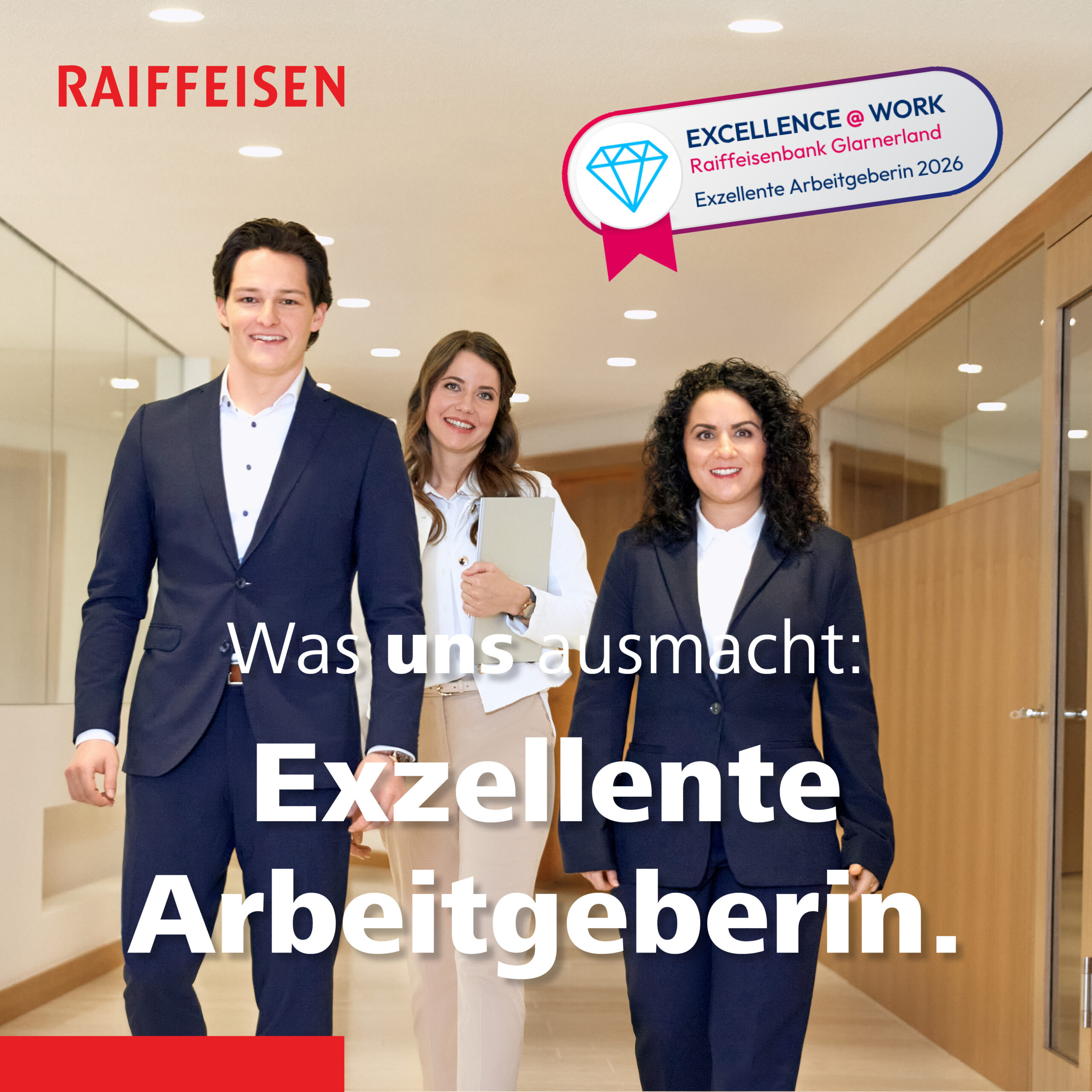
Top Employer: Raiffeisenbank Glarnerland Impresses with Strong Leadership
September 21, 2026
Reading time: 2 min
ValueQuest recently had the honor of presenting the “Excellence@Work Award” to Raiffeisenbank Glarnerland. We extend our heartfelt congratulations.
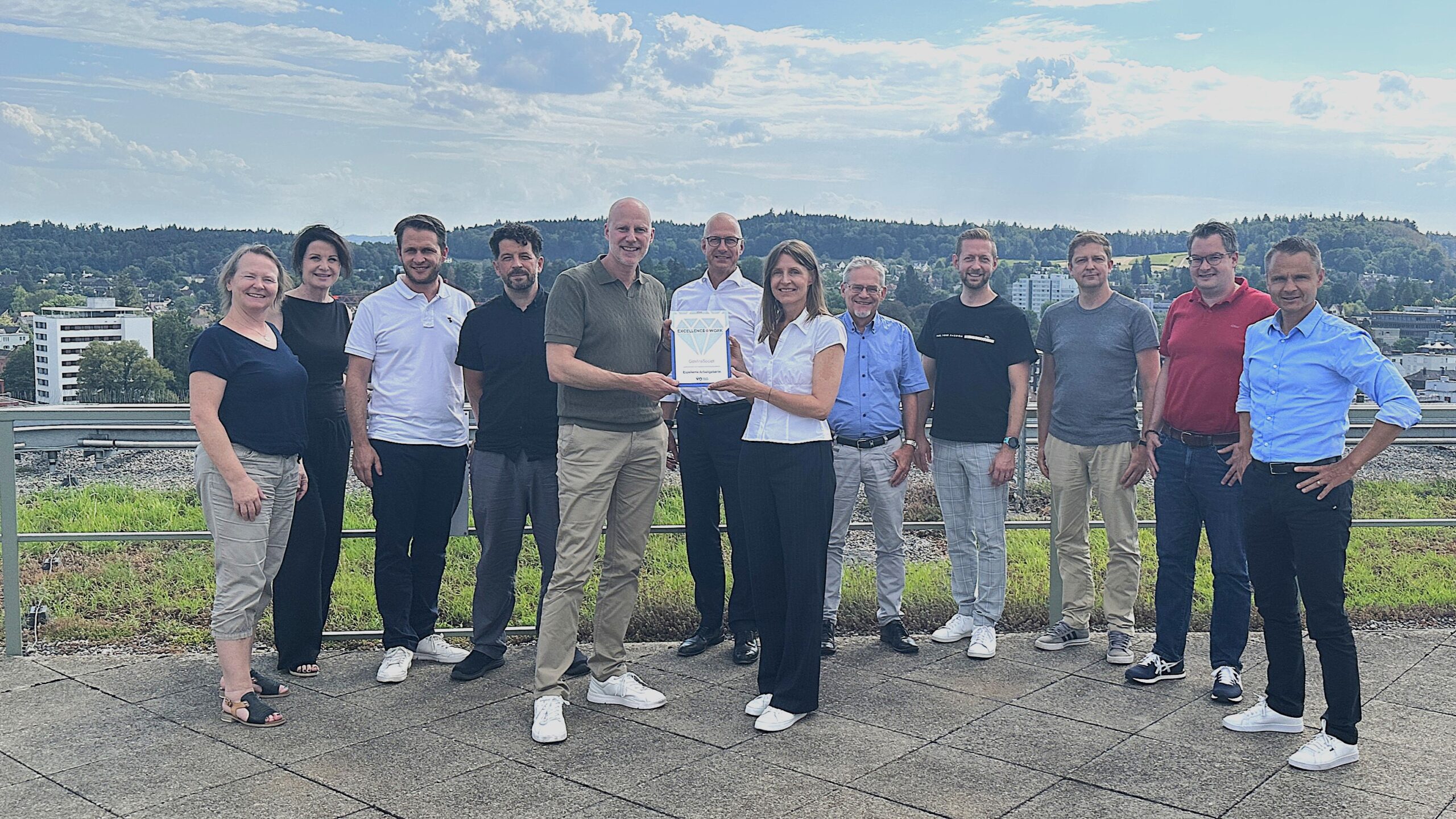
Top Swiss Employers: GastroSocial
September 9, 2026
Reading time: 3 min
GastroSocial has received the 2026 Excellence@Work Award from ValueQuest. With a response rate of 96 percent, a motivation score of 84, and 87 percent of employees serving as brand ambassadors, the company demonstrates a strong employer culture.

Employee Survey: Raiffeisenbank Möhlin Achieves Excellent Results
August 31, 2026
Reading time: 3 min
Raiffeisenbank Möhlin is one of Switzerland's top employers and is receiving our Excellence@Work Award in recognition of this achievement. Congratulations!

Employee Surveys in Switzerland: Find Providers & Tools
August 30, 2026
Reading time: 6 min
Employee Survey in Switzerland: How Do You Find the Right Employee Survey Provider? What Really Matters When It Comes to Anonymity, Tools, Questionnaires, and Analysis.

360-Degree Feedback Questionnaire: Sample, Template, and Sample Questions
August 21, 2026
Reading time: 7 min
Table of Contents A 360-degree feedback process is only as good as its questionnaire. The questionnaire is at the heart of the entire process. It determines whether...

Employee Survey: The CAMPUS SURSEE Foundation Is Among Switzerland's Best Employers
August 5, 2026
Reading time: 2 min
ValueQuest honors particularly attractive employers in Switzerland with the Excellence@Work Award. We recently had the pleasure of presenting the award to the CAMPUS SURSEE Foundation.
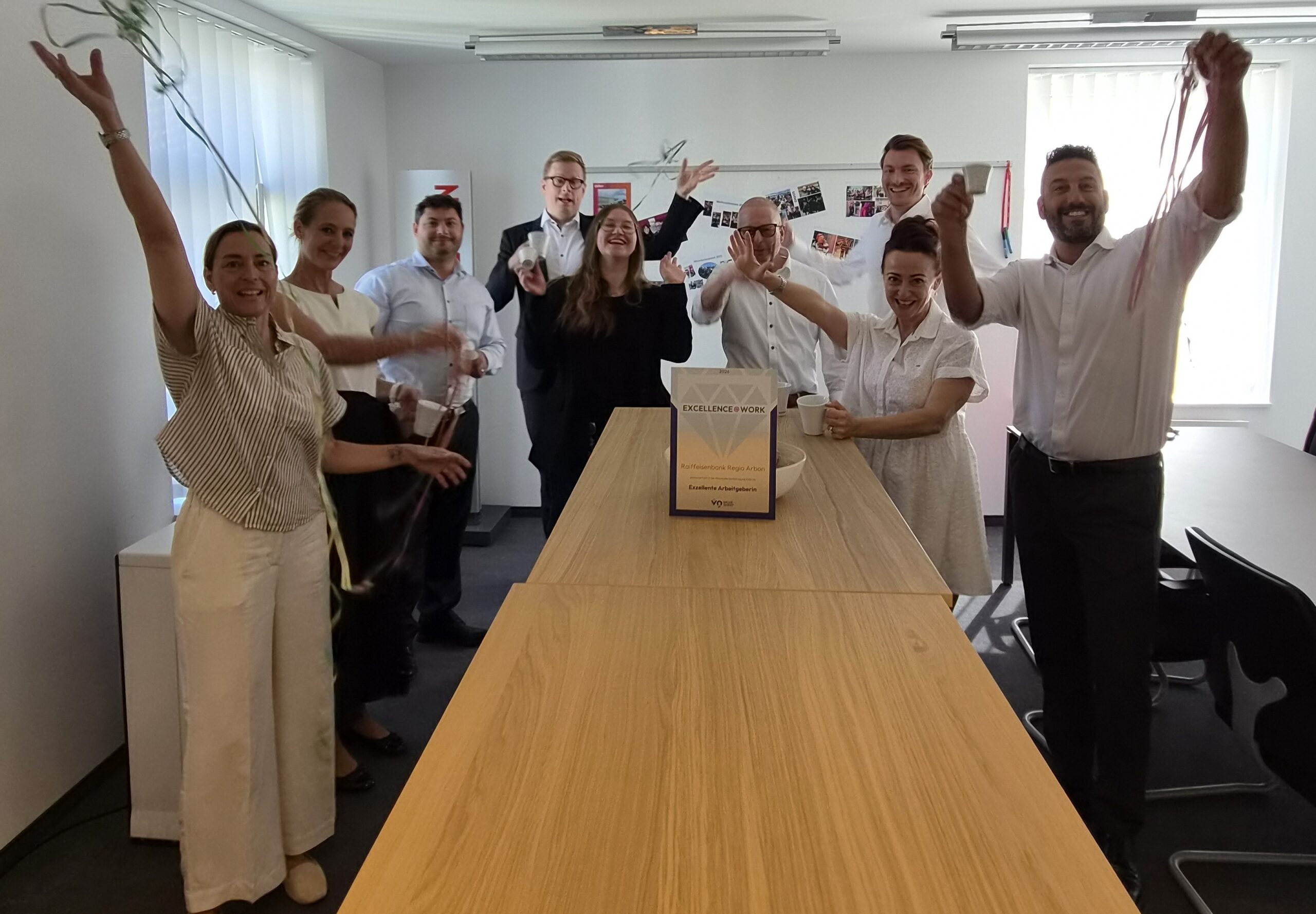
Raiffeisenbank Regio Arbon, a Top Employer: Personal Responsibility as Part of a Strong Corporate Culture
July 7, 2026
Reading time: 2 min
ValueQuest honors particularly attractive employers in Switzerland with the Excellence@Work Award. We recently had the pleasure of presenting the award to Raiffeisenbank Regio Arbon.