According to the latest Gallup study (2024), around 80% of employees in Swiss companies do not reach their full potential and fall short of their potential in terms of productivity, performance and motivation. But how can companies change this? The answer lies in empowerment.
A look into the past shows that charismatic leaders such as Nicolas Hayek once steered the fortunes of entire industries. Hayek led the Swiss watch industry out of the crisis in the 1980s with visionary and charismatic leadership and turned the Swatch Group into a global success. But the days of the "great man" style of leadership, in which everything depended on a strong leader, are long gone.
In today's complex global economy, companies rely on the active involvement and initiative of all their employees. Whereas ideas used to come primarily from top management and were then implemented by employees, today many valuable ideas are generated directly in the operational areas, for example through direct customer contact. This is where the principle of employee empowerment comes in. It creates a framework in which employees at all levels and in all functions are motivated to contribute their ideas and act independently.
What is empowerment?
Empowerment means giving employees the opportunity to shape their work independently and creatively instead of working rigidly according to regulations. Many studies show that empowered employees develop innovative ideas, which increases the company's competitiveness.
The concept of empowerment also takes into account the changing expectations of the modern working world. Empowerment is a central element of a modern management philosophy - it ensures that employees perceive their work as meaningful and enriching. The role of managers is changing as a result: Away from controlling, towards empowering.
Developing potential through empowerment
The formula for developing potential can be summarized simply: Potential = Skills x Will x Empowerment. The full potential of a capable and motivated employee can only unfold in an environment that enables this development. Empowerment creates this necessary environment by giving employees the opportunities they need.
Avoid misunderstandings: More freedom of choice is not enough
The term "empowerment" is often misunderstood and interpreted as freedom of choice. But empowerment is more complex. More decision-making and creative freedom alone does not automatically lead to more motivated and productive employees. Instead, the working environment must be designed in such a way that employees can develop their full potential.
In order to achieve genuine empowerment, four levers must work together in the working environment. In addition to decision-making and creative freedom, incentives, information transparency and resources also play a decisive role. These include not only time resources, but also qualified feedback, advice and the willingness of colleagues and superiors. These elements must work together for empowerment to have the desired effect. We call this approach "structural empowerment" because the focus is on the design of organizational structures.
Four levers of structural empowerment
- Access to information and information transparency: Ensure that your employees have the relevant information they need to perform their tasks effectively. Promote communication and information transparency through internal communication systems such as intranet portals and regular meetings.
- Freedom of decision and autonomy: Allow your employees to make decisions within a defined framework. A decentralized decision-making structure enables them to manage projects independently or make budget decisions, but within clearly defined guidelines.
- Resources: Provide the necessary resources to successfully fulfill their tasks. Organize training, mentoring and development programs to develop employees' skills.
- Incentives: Use financial rewards such as bonuses and non-monetary incentives such as recognition, promotions or development opportunities. Performance-based reward systems based on team performance are a good example.
Empowerment is more than just a buzzword. It is a comprehensive concept that requires careful design of the organizational framework. By offering their employees not only the freedom to make decisions, but also access to information, resources and targeted incentives, companies create an environment in which personal responsibility and creativity can flourish. This not only leads to an increase in productivity, but also to employees identifying more strongly with their work and the company.
Tip - Avoid this mistake when implementing empowerment: freedom of choice alone is not enough
A common misconception when introducing empowerment is that it is simply about granting freedom of choice. In fact, empowerment is much more than that. It requires a comprehensive understanding of the four basic levers of structural empowerment: access to relevant information, freedom of choice, provision of resources and targeted incentives. Check whether all these elements are present in your company. A simple questionnaire can help you identify gaps. Remember: empowerment will only be fully effective if all four areas are equally considered and implemented.
This article was published in the HR magazine Penso on September 5, 2024. It is the first article in a four-part series.
Article published on October 14, 2024
About Dr. Kathrin Neumüller

Dr. oec. HSG Kathrin Neumüller is Co-Managing Director at ValueQuest and an expert in employee inspiration and empowerment. She also teaches strategic management in the MBA program at the ZHAW. She holds a doctorate from the University of St. Gallen (HSG) and studied at the University of Cambridge. Learn more about Kathrin
Inspired? Then share this post via your favorite platform.
Other articles that might interest you ...

AI in the Swiss Insurance Market: What Insurers Can Learn from the Results
October 1, 2026
Reading time: 4 min
Artificial intelligence is not universally accepted in the Swiss insurance market. As a study by ValueQuest shows, customers’ openness to AI depends heavily on how it is used.

AI in the Swiss Insurance Market: Between Acceptance and Skepticism
September 28, 2026
Reading time: 5 min
For many Swiss people, artificial intelligence has become an integral part of everyday life. However, the situation is different when it comes to insurance companies.
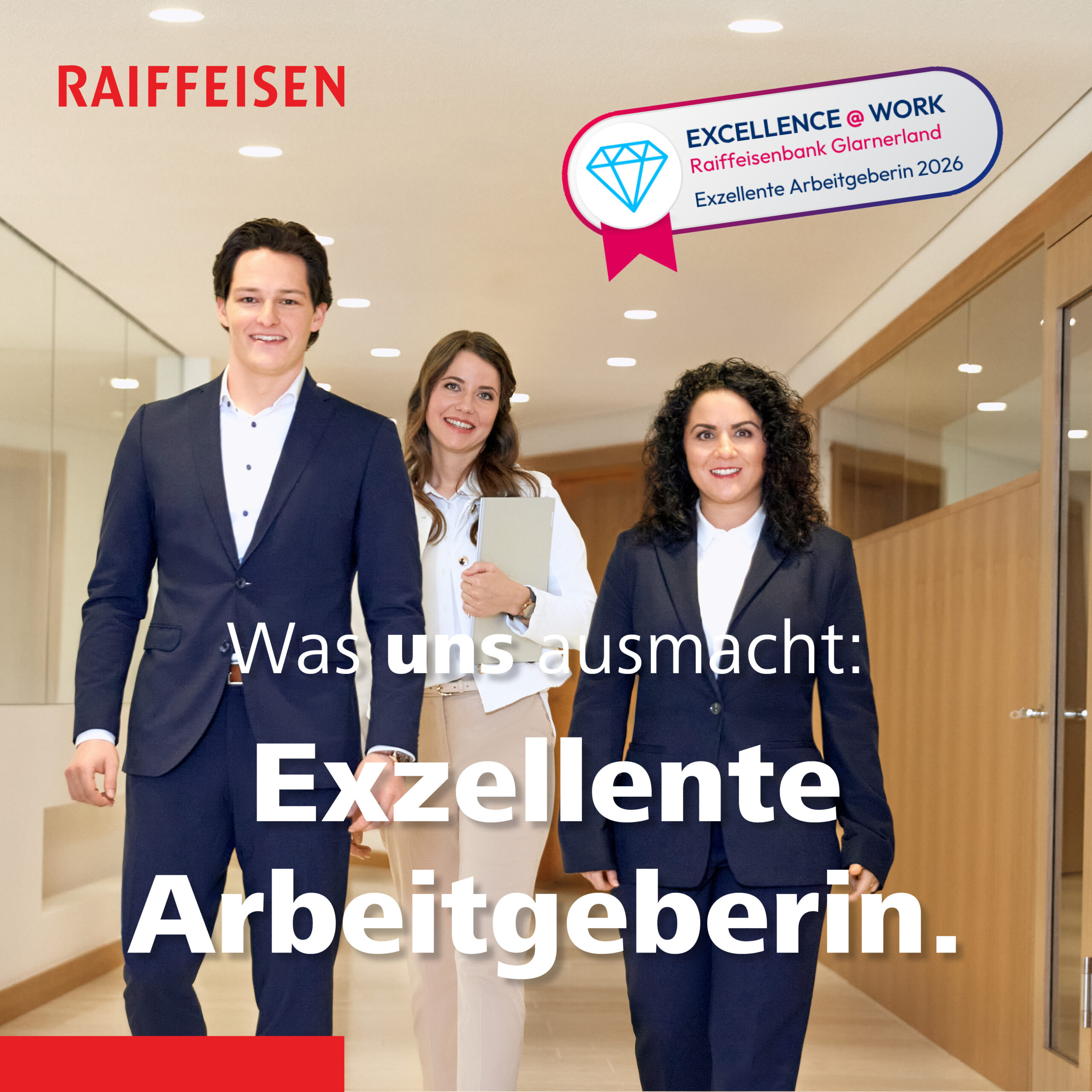
Top Employer: Raiffeisenbank Glarnerland Impresses with Strong Leadership
September 21, 2026
Reading time: 2 min
ValueQuest recently had the honor of presenting the “Excellence@Work Award” to Raiffeisenbank Glarnerland. We extend our heartfelt congratulations.
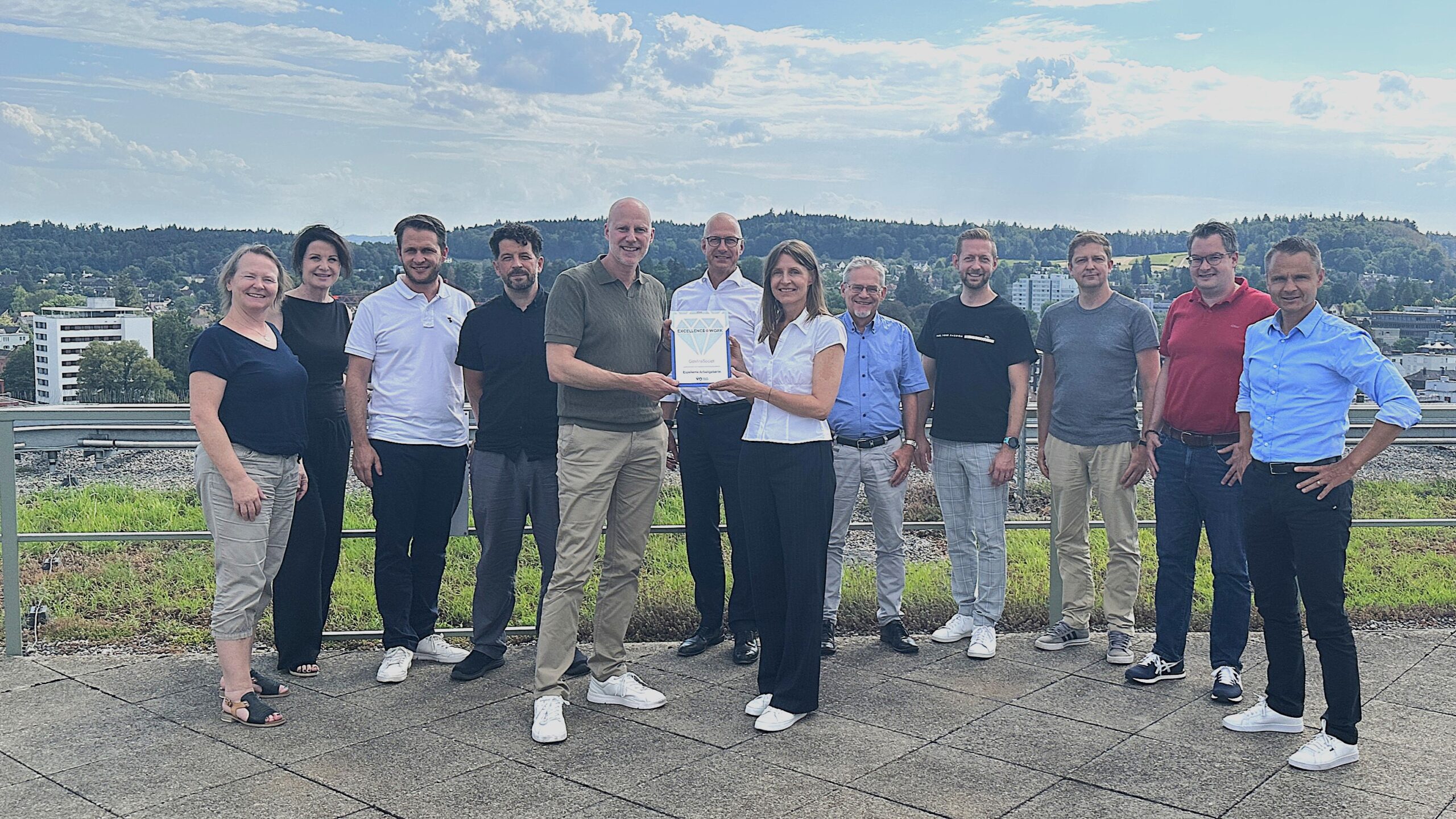
Top Swiss Employers: GastroSocial
September 9, 2026
Reading time: 3 min
GastroSocial has received the 2026 Excellence@Work Award from ValueQuest. With a response rate of 96 percent, a motivation score of 84, and 87 percent of employees serving as brand ambassadors, the company demonstrates a strong employer culture.

Employee Survey: Raiffeisenbank Möhlin Achieves Excellent Results
August 31, 2026
Reading time: 3 min
Raiffeisenbank Möhlin is one of Switzerland's top employers and is receiving our Excellence@Work Award in recognition of this achievement. Congratulations!

Employee Surveys in Switzerland: Find Providers & Tools
August 30, 2026
Reading time: 6 min
Employee Survey in Switzerland: How Do You Find the Right Employee Survey Provider? What Really Matters When It Comes to Anonymity, Tools, Questionnaires, and Analysis.

360-Degree Feedback Questionnaire: Sample, Template, and Sample Questions
August 21, 2026
Reading time: 7 min
Table of Contents A 360-degree feedback process is only as good as its questionnaire. The questionnaire is at the heart of the entire process. It determines whether...

Employee Survey: The CAMPUS SURSEE Foundation Is Among Switzerland's Best Employers
August 5, 2026
Reading time: 2 min
ValueQuest honors particularly attractive employers in Switzerland with the Excellence@Work Award. We recently had the pleasure of presenting the award to the CAMPUS SURSEE Foundation.
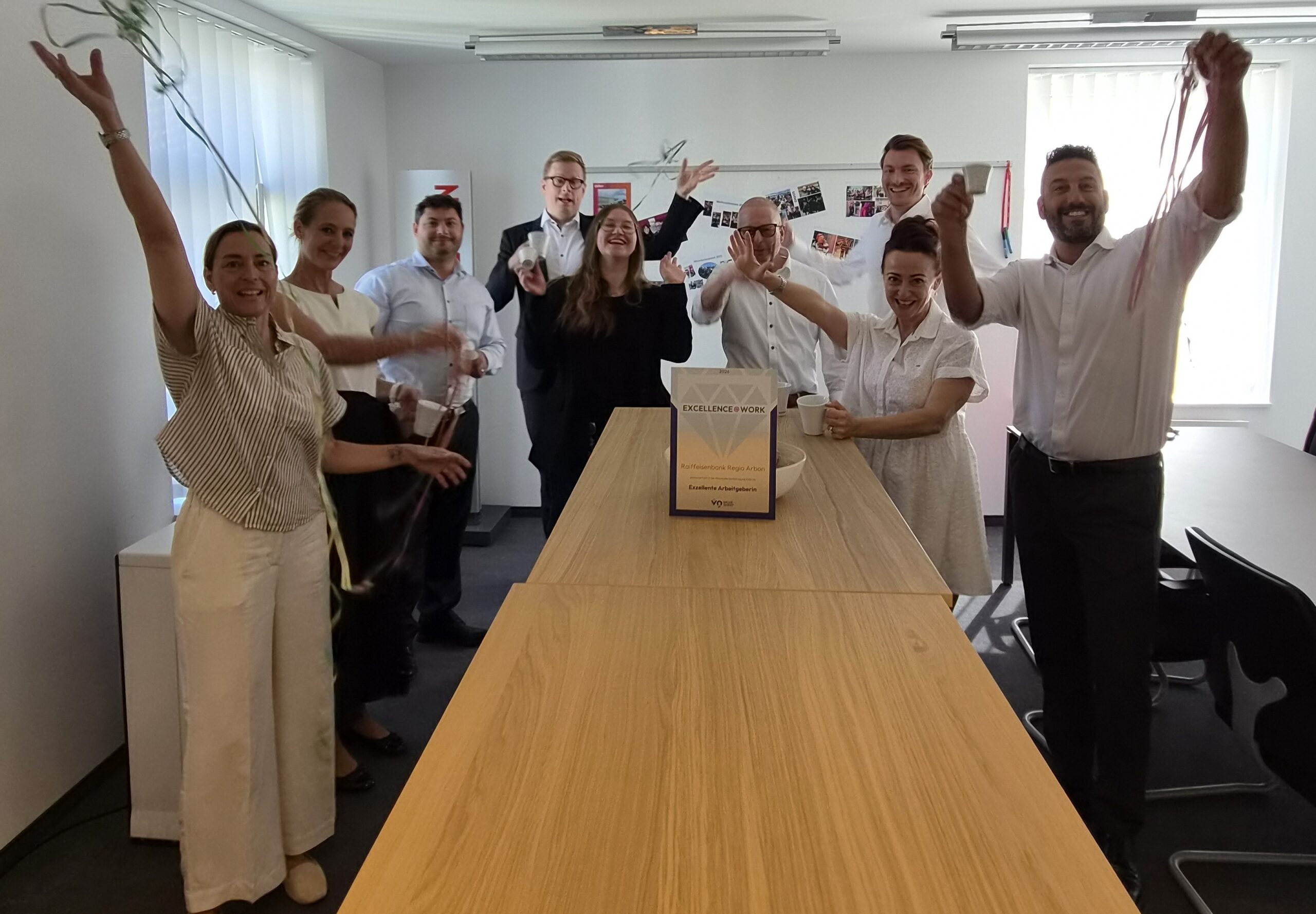
Raiffeisenbank Regio Arbon, a Top Employer: Personal Responsibility as Part of a Strong Corporate Culture
July 7, 2026
Reading time: 2 min
ValueQuest honors particularly attractive employers in Switzerland with the Excellence@Work Award. We recently had the pleasure of presenting the award to Raiffeisenbank Regio Arbon.