Dana Sindermann is Head of Business and Social Ethics at the Paulus Academy in Zurich. She is particularly interested in the big questions, such as: "What makes a successful life?", "What do we need to lead a fulfilled life?" and "What is the meaning of work, business and the economy?" This is why Dana studied philosophy at Humboldt University in Berlin and then completed her doctorate at the Institute for Business Ethics at the University of St.Gallen, where she studied the interface between philosophy and business administration. Her research on the topic of recognition at work was published in the book "Sinn und Anerkennung von Arbeit. A philosophical model for human resources" published by Campus Verlag.
To dash one hope in advance: according to Dana Sindermann, recognition cannot be used to specifically increase employee motivation. In her opinion, recognition is a very human thing that should not be used as a tool to manage and control employees. If we try to use recognition for such purposes, it automatically loses its positive effect anyway. Real recognition focuses on people with their needs, characteristics, interests and wishes.
Kathrin Neumüller: Where does your personal inspiration to deal with recognition in the work context come from?
Dana Sindermann: This is simply because I am interested in people and especially in the question of what we as human beings need in order to lead a fulfilled and successful life. To get to the bottom of this big question, I studied philosophy in Berlin. Above all, because I noticed that we live in great material abundance in our society and yet many people do not seem satisfied.
On the contrary: we have a high rate of burn-out, depression, obesity and psychosomatic illnesses such as back and stomach pain. I think this has to do with the fact that we no longer see or feel what we actually need, what is good for us and what fulfills us, because our focus is too strongly on material things. In other words, the highest possible salary, a fancy apartment and a lot of things that we can ask ourselves: what do they give me, do they really make me happy? This focus on material things clouds our sense of what is really important to us. And I am convinced that, as social beings, it is very important for us humans to have good relationships and to be seen as human beings. This means being seen for our personal qualities, our abilities and achievements and our wishes and needs. This also applies at work. I try to emphasize this point in my research work: Material recognition is often an unsatisfactory sham substitute for interpersonal recognition. The latter is extremely important to us, especially when our basic material needs are satisfied.
Kathrin Neumüller: What does recognition mean in the work context?
Dana Sindermann: In everyday life, we often think of recognition as praise, as a "You did a good job" from the boss or applause when you have been particularly successful. However, the concept of recognition goes much further: recognition means that we pay attention to the other person, notice them and recognize their personality, talents and abilities. In professional life, recognition primarily refers to achievements and skills. But it also includes paying attention to personal characteristics. There are a wide variety of personalities in a company. Some may be funny and entertaining, others more of a calming influence. It is important that not only our skills, achievements and talents are seen at work, but also our personality. Then there's something else at work: It's about working together on something that is meaningful for both sides. Recognition at work therefore means working together on something and using our individual skills and talents towards a common goal. And in this collaboration, we ideally continue to develop. We grow through challenges at work. And our development ideally benefits both the team and the company. Recognition therefore goes far beyond praise and applause, as it encompasses the meaningfulness of one's own professional activities. Recognition always involves the question of whether we are doing something meaningful, not only for our company, but also for society. When they know that they are working for a greater whole, which may even have an impact for generations to come, people experience the full meaning of recognition.
Companies can promote a culture of recognition - it starts with the employees themselves
Kathrin Neumüller: Can we learn to recognize other people?
Dana Sindermann: Yes, recognition can basically be learned, but it requires real commitment from us. In order to build good relationships of recognition with others, it is first helpful to have a positive relationship with yourself. If I respect myself, if I know what I can and need, and accept my limits, I can have good relationships with others.
This respectful and appreciative attitude towards yourself is the basis for recognition, and everyone can practise this. For example, by taking a few minutes a day to feel yourself and become aware of these feelings and sensations. So it all starts with ourselves. And this is where a company can play a supporting role by promoting a culture and attitude of appreciation. For example, by asking employees what kind of feedback they would like. Would they like a detailed evaluation? Would they like support through training or to work with a specific team member? Just talking openly about these needs is a form of recognition. Often we are not aware of what we are missing or what we need, and we may not dare to say it. This is where the company can help us to talk about these needs together.
Kathrin Neumüller: Thank you very much, Dana. I have the impression that we are in an ideal world here, where we find the time to reflect every day. In reality, however, many employees have family commitments and may not have the time to reflect or even the skills for self-reflection. How do we deal with this challenge?
Dana Sindermann: In my opinion, this problem shows that we sometimes lose our compass and forget what is really important to us. In the midst of all the stress and many tasks at work, this can easily happen. The concept of appreciation encourages us to stop and think about what is really important to us in life. Otherwise we just rush through our work and our lives without knowing what we have lived for at the end. Our work is more than just earning money and business is more than just maximizing profits. Work and business also mean shaping the world together and overcoming crises. The younger generations, GenY and -Z, seem to be becoming more aware of this. They are asking themselves much more than previous generations what they want to spend their precious lifetime and working hours on.
Recognition in the world of work is more important than ever
Kathrin Neumüller: Why is "recognition" so much in demand in the world of work right now?
Dana Sindermann: After many years of prosperity and abundance, we have reached a point where we realize that this material abundance does not make us happy. On the contrary, it causes a lot of suffering and raises some questions. We are concerned about how our lifestyle is changing nature and we are starting to think about the way we organize our lives.
People feel that things cannot go on like this and they are longing for a better quality of life and more meaning in their lives. We are currently experiencing a shift in values - away from purely material things and towards interpersonal relationships and a more meaningful life. And my research shows: People perceive their job as meaningful if it not only achieves corporate goals, but also has social benefits. And this brings us back to the topic of recognition.
Recognition is becoming increasingly important in the world of work because we realize that material things alone are not enough. We long for interpersonal experiences and meaningfulness in our work. The concept of recognition addresses precisely these interpersonal experiences and the meaningfulness of our work.
Kathrin Neumüller: What role does recognition play today in employer branding, recruiting and employee retention?
Dana Sindermann: Recognition plays a decisive role in the perception of a company as an attractive employer and in retaining employees. People are not just looking for a job, but for meaningful work. They want to work in a company that offers them this meaning. They also strive for personal development.
A holistic sense of purpose is created when they can not only use their skills in a team, but also when the company's overarching goal is in line with their own goals. People want to see and know that their work fulfills a purpose that is "bigger" than the company itself, such as our community, global society and nature. A company that assumes social, ecological and economic responsibility can create a particularly appreciative environment. Because if it follows the concept of the triple bottom line, the economic goals do not trump the others, but stand on an equal footing with the ecological and social goals.
Kathrin Neumüller: Are there also disadvantages to the concept of recognition? Where are the limits from a practical point of view?
Dana Sindermann: One advantage and disadvantage at the same time is that recognition cannot be used purely as a management tool to motivate employees. This is an advantage because it reminds us that people deserve dignity in their jobs. It emphasizes that the focus should be on people and that business should serve people, not the other way around. Recognition therefore also shows us the limits of the pursuit of profit. It demands that employees are paid a decent wage and that their interests and needs are taken into account appropriately.
One possible disadvantage from a business perspective is that recognition cannot be instrumentalized, because if it is used in this way, its positive effect is dissipated. However, I personally think that there are values and principles that are too valuable and dignified to be used as a tool to increase profits.
In this respect, it is also an advantage that recognition cannot be instrumentalized. Because it reminds us that our professional activities, as well as companies and the economy, are part of a larger whole and that we should work together as people to achieve something bigger and really important.
Kathrin Neumüller: What is the connection between recognition and employee motivation and inspiration?
Dana Sindermann: I see a strong connection between recognition and employee motivation. If we have a boss or colleagues who invite us to develop ourselves so that we can develop further and contribute our ideas, then we feel alive and stimulated. We look for those who give us sincere and, in the best case, positive feedback. When companies create a working environment where employees can collaborate, contribute and take a genuine interest in each other, it increases their motivation and ability to inspire. In my opinion, an appreciative work environment motivates and inspires employees.
Kathrin Neumüller: What is the difference between recognition and appreciation, recognition and respect?
Dana Sindermann: Appreciation sees people as a whole and not just individual aspects. And it is the prerequisite for being able to build a relationship of recognition. When we appreciate someone, we treat him or her with benevolence, and that is an important prerequisite for building a relationship of recognition. Recognition now relates to very specific characteristics and aspects of the person that we see and respond to positively. For example, we can say: "I appreciate you for who you are" or "I appreciate your ability to create a project plan that appropriately takes into account the skills of the employees and that everyone involved is therefore happy to stick to." Appreciation, on the other hand, is more hierarchical and implies a top-down perspective.
Respect is also important for recognition and precedes recognition. Respect means that we respect the physical and emotional vulnerability as well as the free will of our counterpart. Respect is therefore an attitude towards the other person. Recognition, on the other hand, is an interactive relationship in which we work together and are in contact with each other.
Kathrin Neumüller: What effect does an appreciative working environment have on employees?
Dana Sindermann: In an appreciative environment, employees can flourish and develop their skills and talents. They can be creative and contribute their ideas because they know that others have a positive attitude towards them and value them. In such an environment, employees are much more likely to put forward innovative ideas. This means that an appreciative working environment is also conducive to innovation and development, which ultimately leads to greater business success.
Kathrin Neumüller: Thank you very much for this very exciting and inspiring interview.
The interview was conducted by Dr. oec. HSG Kathrin Neumüller, inspiration expert and project manager at ValueQuest. Kathrin Neumüller gives international keynote speeches and workshops on leadership, employee inspiration and empowerment.
Article published on December 11, 2023
About Barbara Haimoff

Barbara Haimhoff is Office Manager at ValueQuest and ensures that day-to-day business runs smoothly. She graduated from the KV Baden business school and is a qualified commercial clerk with many years of professional experience in administration and organization. Find out more about Barbara
Inspired? Then share this post via your favorite platform.
Other articles that might interest you ...

AI in the Swiss Insurance Market: What Insurers Can Learn from the Results
October 1, 2026
Reading time: 4 min
Artificial intelligence is not universally accepted in the Swiss insurance market. As a study by ValueQuest shows, customers’ openness to AI depends heavily on how it is used.

AI in the Swiss Insurance Market: Between Acceptance and Skepticism
September 28, 2026
Reading time: 5 min
For many Swiss people, artificial intelligence has become an integral part of everyday life. However, the situation is different when it comes to insurance companies.

Top Employer: Raiffeisenbank Glarnerland Impresses with Strong Leadership
September 21, 2026
Reading time: 2 min
ValueQuest recently had the honor of presenting the “Excellence@Work Award” to Raiffeisenbank Glarnerland. We extend our heartfelt congratulations.
Top Swiss Employers: GastroSocial
September 9, 2026
Reading time: 3 min
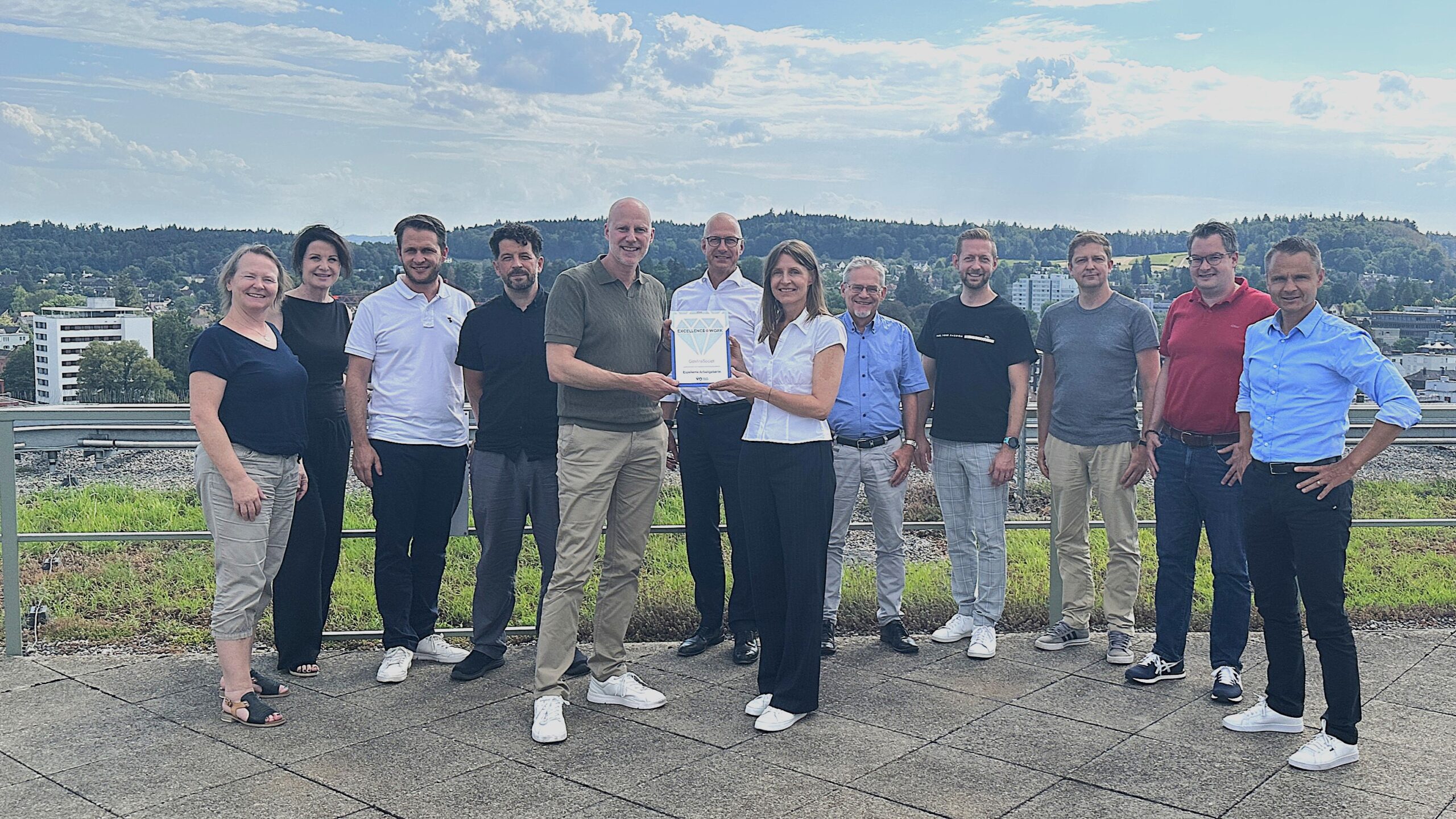
GastroSocial has received the 2026 Excellence@Work Award from ValueQuest. With a response rate of 96 percent, a motivation score of 84, and 87 percent of employees serving as brand ambassadors, the company demonstrates a strong employer culture.

Employee Survey: Raiffeisenbank Möhlin Achieves Excellent Results
August 31, 2026
Reading time: 3 min
Raiffeisenbank Möhlin is one of Switzerland's top employers and is receiving our Excellence@Work Award in recognition of this achievement. Congratulations!

Employee Surveys in Switzerland: Find Providers & Tools
August 30, 2026
Reading time: 6 min
Employee Survey in Switzerland: How Do You Find the Right Employee Survey Provider? What Really Matters When It Comes to Anonymity, Tools, Questionnaires, and Analysis.

360-Degree Feedback Questionnaire: Sample, Template, and Sample Questions
August 21, 2026
Reading time: 7 min
Table of Contents A 360-degree feedback process is only as good as its questionnaire. The questionnaire is at the heart of the entire process. It determines whether...
Employee Survey: The CAMPUS SURSEE Foundation Is Among Switzerland's Best Employers
August 5, 2026
Reading time: 2 min
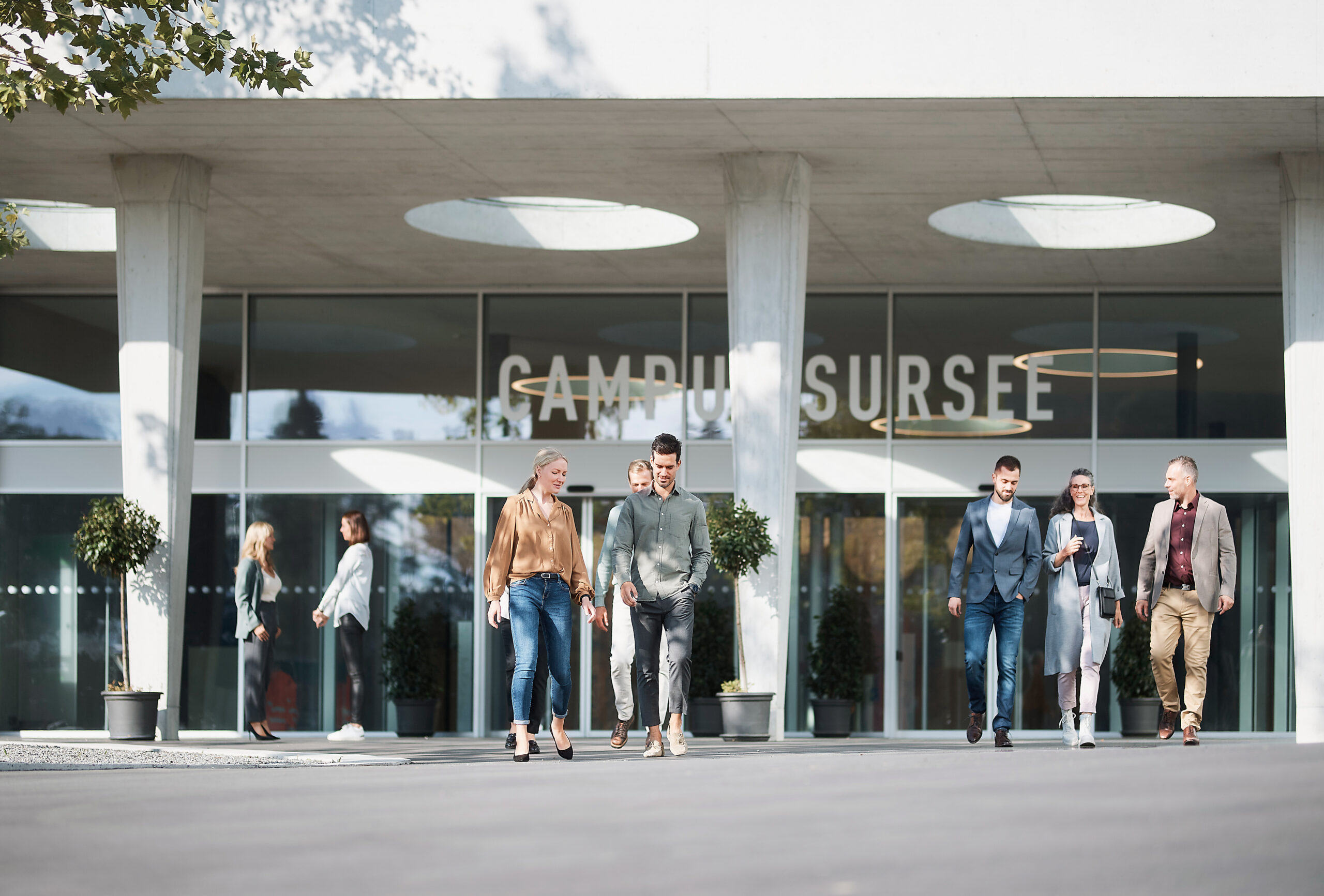
ValueQuest honors particularly attractive employers in Switzerland with the Excellence@Work Award. We recently had the pleasure of presenting the award to the CAMPUS SURSEE Foundation.
Raiffeisenbank Regio Arbon, a Top Employer: Personal Responsibility as Part of a Strong Corporate Culture
July 7, 2026
Reading time: 2 min
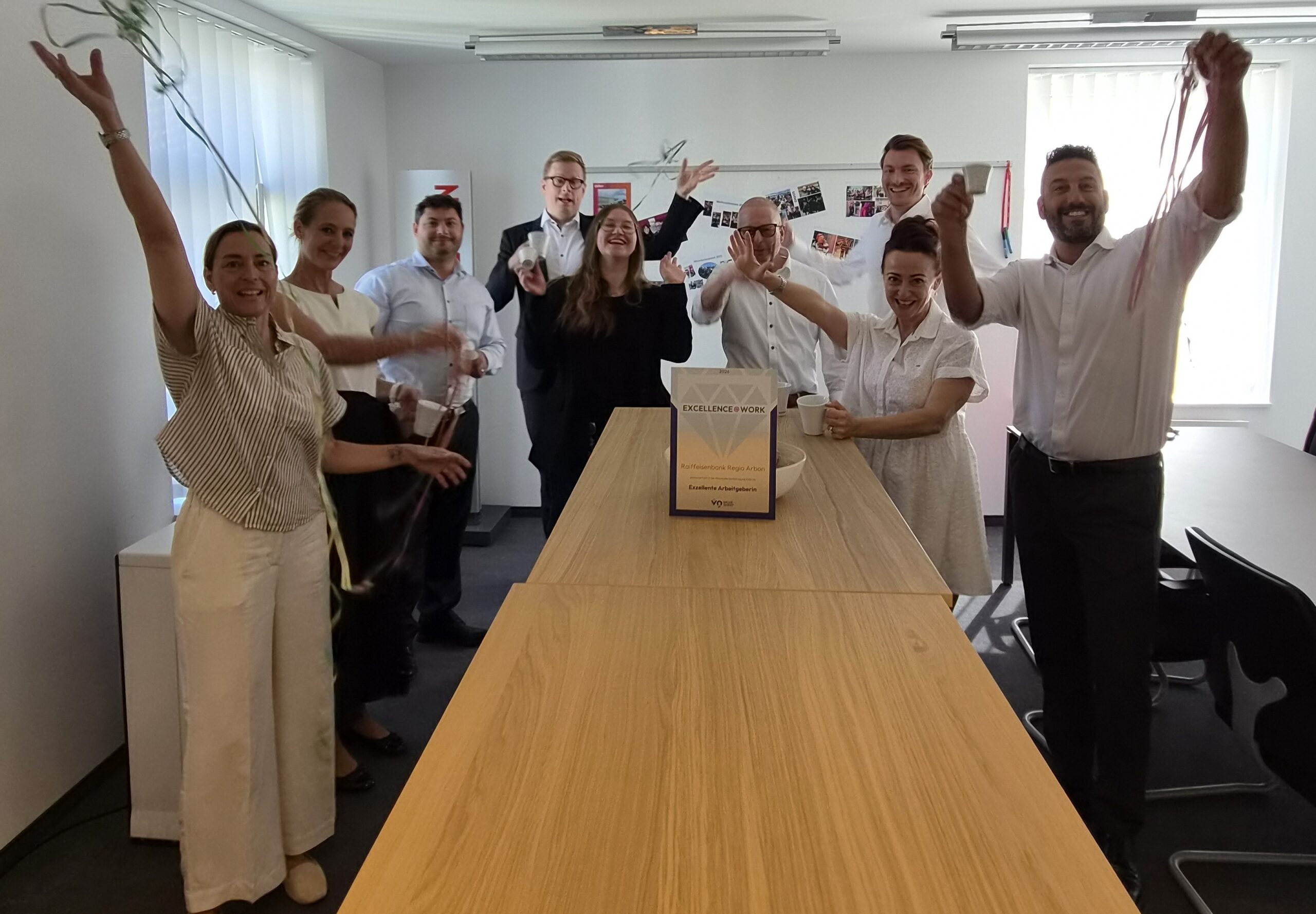
ValueQuest honors particularly attractive employers in Switzerland with the Excellence@Work Award. We recently had the pleasure of presenting the award to Raiffeisenbank Regio Arbon.