You have probably already heard about the latest Swiss Life study on "Living longer - working longer" from the media. ValueQuest was commissioned by Swiss Life to conduct this exciting study. Here are the most important findings from the study. You can find the detailed study under the following link.
Challenges for old-age provision
People are getting older and older. And as pleasing as a long-term increase in life expectancy in good health is, it brings with it major challenges for the three pillars of the Swiss pension system. In view of this, the politically controversial question has been raised for some time as to whether a longer working life or a higher retirement age could be a sensible measure to ensure the stability of old-age provision - and thus the financial confidence of the population - in the long term. In principle, this could reduce the pressure on pension levels and the increasing need for higher taxes, wage deductions or rising individual savings rates during working life.
Findings from the study
The Swiss Life study is not a plea for or against a higher retirement age. Not least because other aspects to answer this question - such as companies' HR policies regarding older employees - have not (yet) been considered. Nevertheless, it provides findings that are valuable for the ongoing discussion on the structure of the retirement age:
- A large majority of the population feels healthy around the normal retirement age and would be perfectly capable of working longer from a health perspective.
- An astonishing number of employees aged 55 and over are basically prepared to continue working after 64/65. Only a minority cannot even imagine doing so. However, the conditions must be right, as most would prefer to stop working before 64/65 or at least reduce their workload if they were completely free to decide.
- A considerable and growing minority of the population is already working longer - largely on a self-determined basis and for the pleasure of work rather than out of financial necessity. However, fewer people in employment are working longer than would be willing to do so in principle. There is obviously further potential here.
- Flexible retirement, which is often propagated, is already common in reality. If it were up to the preferences of the working population, gradual retirement would be even more common.
- The willingness to work longer and the actual prevalence of employment from normal retirement age are not equally represented in all professions and population groups. People with an academic background - especially the self-employed in professions that are probably often vocations - are more willing to work longer and do so more often than the average. At the other end of the spectrum, people in manual occupations, for example, are less likely to be able to imagine working beyond the normal retirement age and are also less likely to do so. Nevertheless, it would be too simplistic to speak of an "office worker-academic divide". Many people in these professions also stay in work longer for the joy of it and their numbers have increased over the last two decades - albeit at a lower level.
The role of employers
The study primarily takes the perspective of the working population. It shows that, in addition to good health, a high level of appreciation on the part of employers and a good working atmosphere are important basic prerequisites for even considering a job from 64/65. This is an unmistakable signal to companies. If the employment rate from 64/65 is to rise again or continue to rise, their contribution is needed.
ValueQuest is the leading Swiss provider of employee surveys, 360° management feedback and supervisor appraisals. With our validated instruments and models, we support companies in achieving higher employee motivation and job satisfaction. Read more about this here.
Article published on October 6, 2022
About Heidi Blanken

Heidi Blanken is an expert and advisor at ValueQuest with a focus on evaluation and methodological consulting. She studied psychology with a focus on methodology as well as economics and labor law at the University of Zurich and graduated with a lic. phil. I degree.
Inspired? Then share this post via your favorite platform.
Other articles that might interest you ...

AI in the Swiss Insurance Market: What Insurers Can Learn from the Results
October 1, 2026
Reading time: 4 min
Artificial intelligence is not universally accepted in the Swiss insurance market. As a study by ValueQuest shows, customers’ openness to AI depends heavily on how it is used.

AI in the Swiss Insurance Market: Between Acceptance and Skepticism
September 28, 2026
Reading time: 5 min
For many Swiss people, artificial intelligence has become an integral part of everyday life. However, the situation is different when it comes to insurance companies.
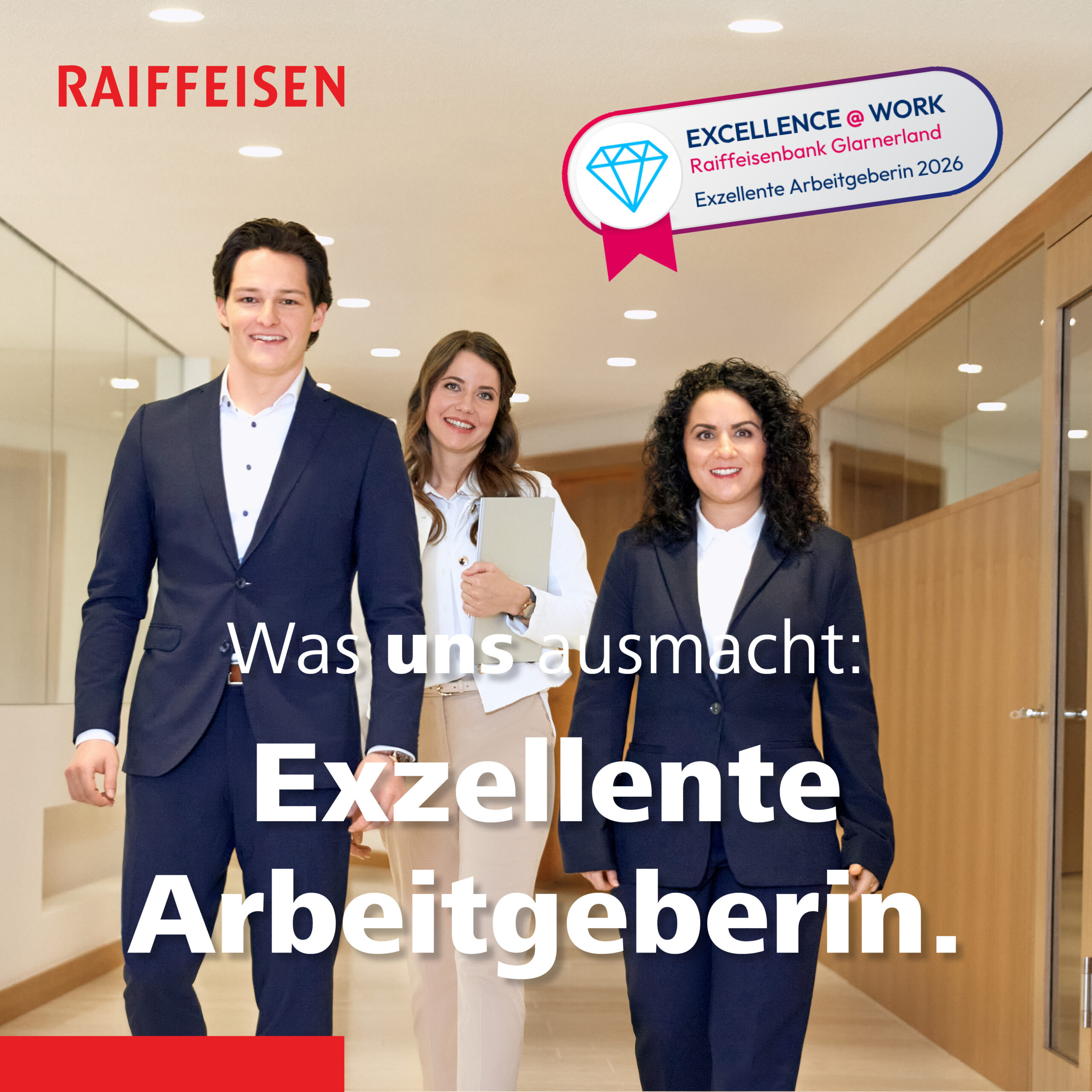
Top Employer: Raiffeisenbank Glarnerland Impresses with Strong Leadership
September 21, 2026
Reading time: 2 min
ValueQuest recently had the honor of presenting the “Excellence@Work Award” to Raiffeisenbank Glarnerland. We extend our heartfelt congratulations.
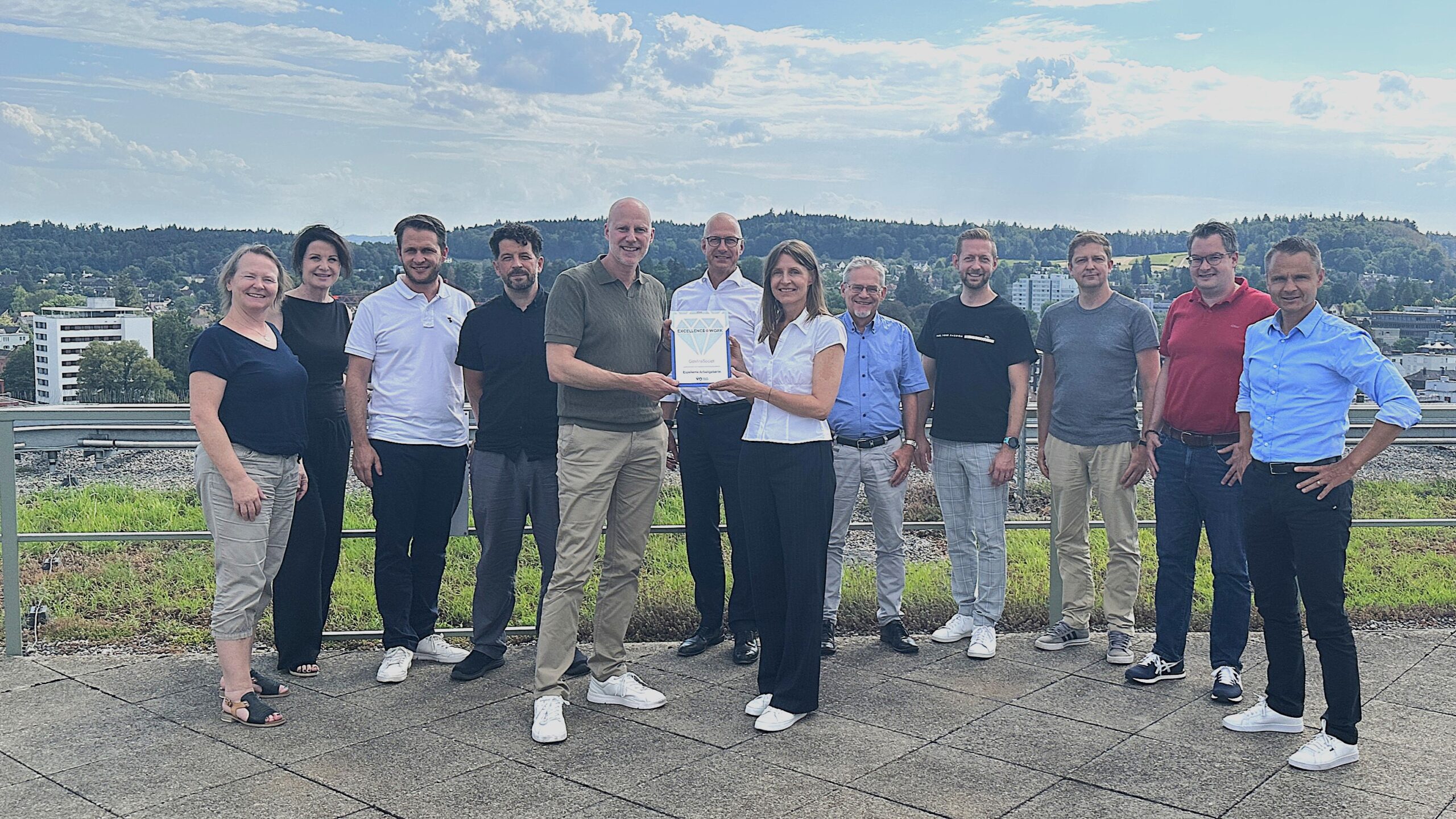
Top Swiss Employers: GastroSocial
September 9, 2026
Reading time: 3 min
GastroSocial has received the 2026 Excellence@Work Award from ValueQuest. With a response rate of 96 percent, a motivation score of 84, and 87 percent of employees serving as brand ambassadors, the company demonstrates a strong employer culture.

Employee Survey: Raiffeisenbank Möhlin Achieves Excellent Results
August 31, 2026
Reading time: 3 min
Raiffeisenbank Möhlin is one of Switzerland's top employers and is receiving our Excellence@Work Award in recognition of this achievement. Congratulations!

Employee Surveys in Switzerland: Find Providers & Tools
August 30, 2026
Reading time: 6 min
Employee Survey in Switzerland: How Do You Find the Right Employee Survey Provider? What Really Matters When It Comes to Anonymity, Tools, Questionnaires, and Analysis.

360-Degree Feedback Questionnaire: Sample, Template, and Sample Questions
August 21, 2026
Reading time: 7 min
Table of Contents A 360-degree feedback process is only as good as its questionnaire. The questionnaire is at the heart of the entire process. It determines whether...
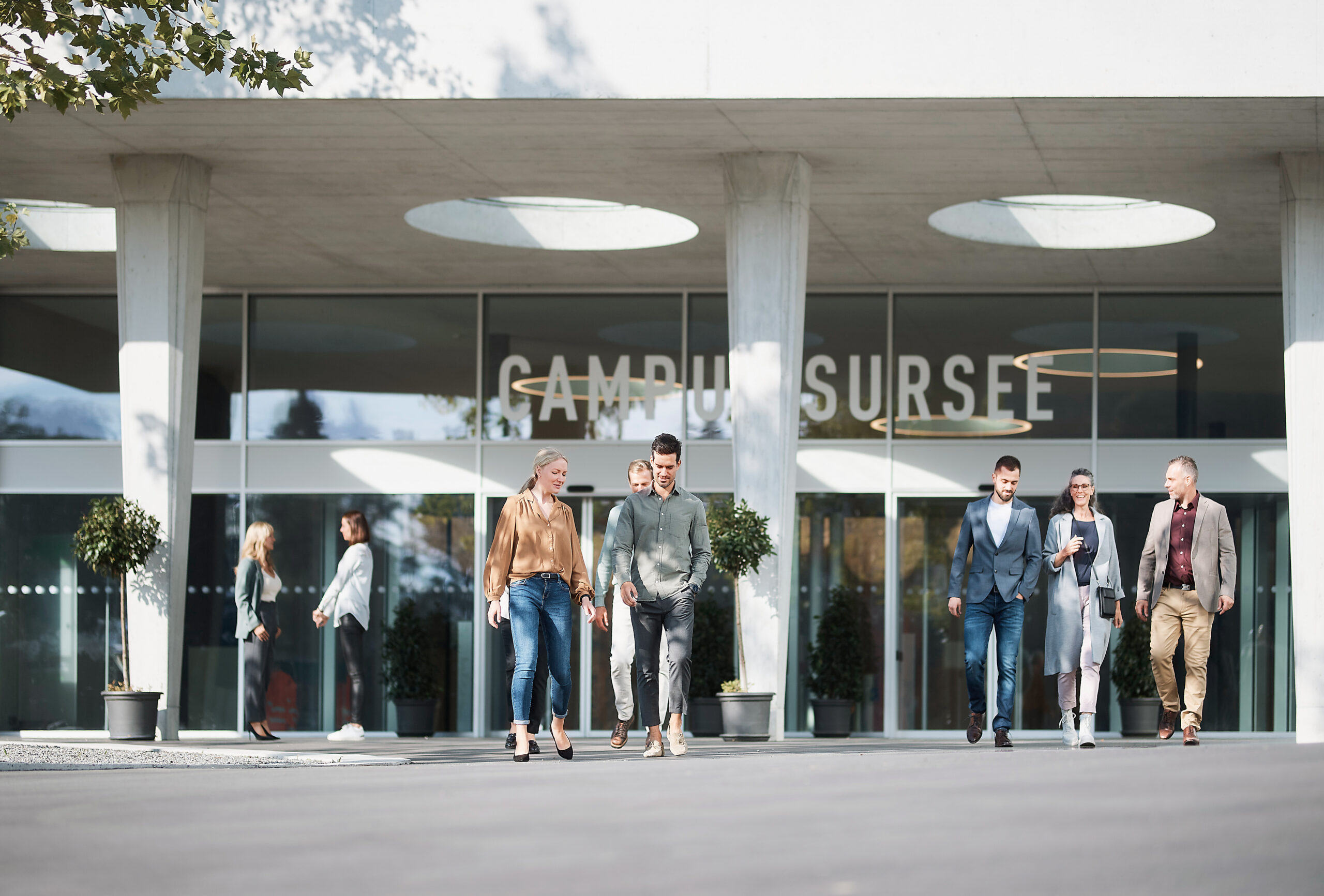
Employee Survey: The CAMPUS SURSEE Foundation Is Among Switzerland's Best Employers
August 5, 2026
Reading time: 2 min
ValueQuest honors particularly attractive employers in Switzerland with the Excellence@Work Award. We recently had the pleasure of presenting the award to the CAMPUS SURSEE Foundation.
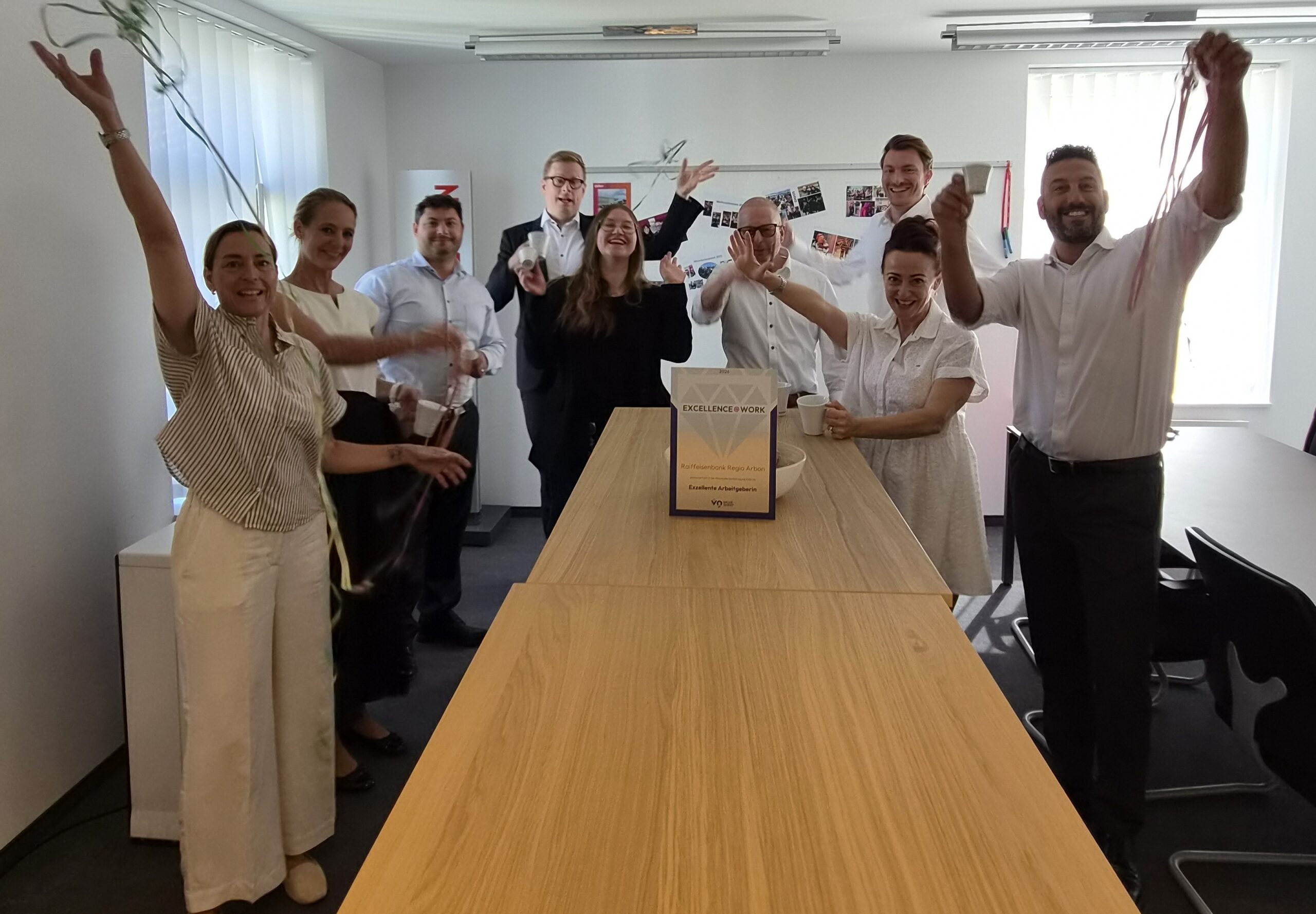
Raiffeisenbank Regio Arbon, a Top Employer: Personal Responsibility as Part of a Strong Corporate Culture
July 7, 2026
Reading time: 2 min
ValueQuest honors particularly attractive employers in Switzerland with the Excellence@Work Award. We recently had the pleasure of presenting the award to Raiffeisenbank Regio Arbon.